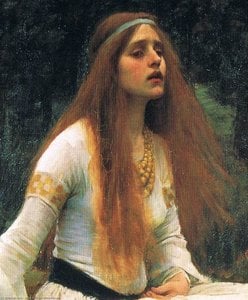
Pre-Raphaelite Romanticism
 1917Renaissance
 90.0 x 144.0 cm
 Auckland Art Gallery Toi o Tāmaki
Druk giclée lub płótno o jakości muzealnej, szybka realizacja i szeroki wybór opcji wykończenia. ( Zamów ręcznie malowaną reprodukcję Kup obraz wysokiej rozdzielczości)





























Wybierz spośród naszych standardowych rozmiarów, które zachowują oryginalne proporcje dzieła sztuki.

Możesz wprowadzić własne wymiary, aby dopasować dzieło do konkretnej ramy lub przestrzeni. Jeśli wybrany rozmiar nie będzie odpowiadał proporcjom oryginalnego obrazu, przytniecie dzieło lub rozszerzymy obraz za pomocą odbicia lustrzanego lub jednolitego wypełnienia krawędzi. Przed rozpoczęciem produkcji prześlemy cyfrową wizualizację do Twojej akceptacji.
Prosimy pamiętać, że podgląd na ekranie nie odzwierciedla faktycznego przycinania ani rozszerzania. Tylko wizualizacja dokładnie pokaże końcową kompozycję.
Mimo dostępności niestandardowych rozmiarów, zalecamy wybór wymiaru z listy zdefiniowanej, aby zachować oryginalne proporcje.
Dostawa na cały świat () w ciągu 2 tygodni zamiast standardowych 4/5 tygodni. (7 Wrzesień)


Lamia
Wymiary reprodukcji
John Waterhouse’s “Lamia” is more than simply a depiction of a classical scene; it's an immersive experience, a carefully constructed tableau designed to evoke the very essence of Keats’s poem. Painted in 1917, this work exemplifies Waterhouse’s masterful command of Pre-Raphaelite aesthetics – a style characterized by meticulous detail, luminous color palettes, and a profound reverence for medieval and Renaissance art. The scene unfolds within the shadowed depths of an ancient Greek hillside, rendered with a sensitivity to light and atmosphere that borders on the ethereal. The knight's posture, rigid yet yearning, combined with Lamia’s melancholic grace, creates a palpable tension – a frozen moment of both desire and impending doom.
(Image of Lamia by John Waterhouse)
Waterhouse’s interpretation is deeply rooted in Keats's original poem. The title itself, “Lamia,” immediately establishes the subject – a monstrous woman transformed from human beauty through divine retribution. However, it’s not merely a retelling of the myth; Waterhouse subtly shifts the focus to the knight’s perspective. His intense gaze, directed solely at Lamia, speaks volumes about his captivated vulnerability. The positioning—kneeling before her, hand outstretched – suggests a willing surrender to an irresistible force, mirroring the poem's exploration of obsessive love and fatal attraction. The ‘evening dim at moth time,’ so vividly described by Keats, is meticulously recreated through Waterhouse’s use of muted tones and atmospheric haze, amplifying the sense of mystery and foreboding.
Waterhouse's technical skill is immediately apparent in the rendering of texture. The armor gleams with a realistic sheen, reflecting the light while simultaneously conveying its protective function. The fabric of Lamia’s garment – subtly textured to suggest scales – provides a crucial visual clue to her true nature, a delicate yet unsettling detail that avoids overt horror. The peacock hues within the ‘snake-skin’ draped around her are not merely decorative; they directly reference Keats's evocative description, grounding the painting firmly in the poem’s imagery and reinforcing the theme of transformation and corruption. The inclusion of the two swords adds a layer of narrative complexity, hinting at conflict and potential violence – a stark contrast to Lamia’s initial allure.
"Lamia" represents a pivotal moment in Waterhouse's artistic development. Initially working in the style of Lawrence Alma-Tadema, he gradually embraced the Pre-Raphaelite Brotherhood’s romantic vision, finding inspiration in Arthurian legends and medieval themes. This painting showcases his mastery of this style, demonstrating his ability to seamlessly blend classical subject matter with a distinctly Pre-Raphaelite sensibility. Waterhouse's "Lamia" remains a powerful example of the movement's influence, captivating viewers with its beauty, mystery, and profound exploration of human emotion – a testament to Waterhouse’s enduring artistic legacy.


1849 - 1917 , Włochy

Explore the breathtaking world of the Pre-Raphaelite Brotherhood. Discover how this movement redefined Victorian art through vivid detail, mythological depth, and romanticism. An expert guide for classic art enthusiasts seeking to rediscover these timeless masterpieces.

Delve into the breathtaking Pre-Raphaelite Revolution. Explore the vivid colors, intricate details, and romantic symbolism of masters like Rossetti and Millais in this authoritative journey through 19th-century art history for true enthusiasts.

Embark on a sophisticated journey through the eternal allure of mythological art. Discover how master painters breathe life into ancient legends, from Greek deities to Baroque masterpieces, and learn to curate these timeless narratives within your own exquisite art collection.

 Podgląd w skali
 Wyślij jako kartkę
 Udostępnij
 Szczegóły dzieła

 Pobierz
 Podobne obiekty
 RTG
RTG Pokaz slajdów
 Rozwiń treść







 Opcja ze szkłem jest dostępna wyłącznie w rozmiarach poniżej 110 cm