DARMOWA KONSULTACJA ARTYSTYCZNA

x
Zamów wydruk Zamów wydrukKup cyfrowy obraz Kup cyfrowy obraz UdostępnijUdostępnij
DetailsDetails Dodaj do ulubionych Dodaj do ulubionych PobierzPobierz Podobne obiektyPodobne obiekty X-RayX-Ray Pokaz slajdówPokaz slajdów

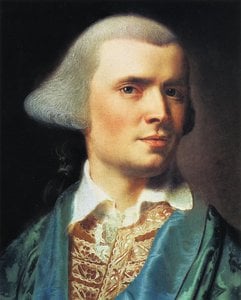
Jonathan Mountfort

Jonathan Mountfort by John Singleton Copley (1753) - A captivating portrait of a young boy, showcasing Copley's mastery and colonial elegance. Explore this iconic work!

John Copley – pionier sztuki amerykańskiej! Jego portrety z Bostonu i sceny historyczne łączą styl brytyjski z kolonialnym charakterem. Odkryj jego arcydzieła!

Ręcznie malowana reprodukcja olejowa

Ręcznie malowany olej na płótnie w Twoim wymiarze i ramie, tworzony na zamówienie przez naszych artystów.

P118B $10
P118H $10
P118W $10
P438Z $10
P508JH $12
P508YH $12
P805H $10
P805Z $10
P919BZ $10
P919G $10
P919XJ $10
P959ZH $10
P968JZ $12
W106C $8
W218G $10
W218JH $8
W218Y $10
W307PJ $10
W316G $10
W316PJ $8
W316Y $10
W398PJ $8
W4111J $10
W500HY $15
W500JH $15
W692G $12
W849H $8
W940BG $15
W953PJ $8

Standard
custom
CM
INCH

Wybierz spośród naszych predefiniowanych rozmiarów, które zachowują oryginalne proporcje dzieła sztuki.

szerokość
wysokość

Możesz wprowadzić własne wymiary, aby dopasować obraz do konkretnej ramy lub przestrzeni. Jeśli wybrany rozmiar nie będzie odpowiadał proporcjom oryginału, przytniecie dzieło sztuki lub rozszerzymy je o dodatkowe elementy, ręcznie domalowane przez artystę. Przed rozpoczęciem produkcji wyślemy projekt cyfrowy do Twojej akceptacji.
Należy pamiętać, że podgląd na ekranie nie odzwierciedla rzeczywistego przycinania ani rozszerzania obrazu. Tylko projekt dokładnie pokaże ostateczną kompozycję.
Choć oferujemy możliwość zamówienia niestandardowych rozmiarów, zalecamy wybór wymiaru z gotowej listy, aby zachować oryginalne proporcje dzieła.

Przykłady możliwych zmian: Zamień twarz na zdjęcie klienta; Dodaj zwierzę domowe (np. zamień kota na psa); Ukryj wiadomość w tle; Zmień krajobraz lub elementy tła.
Po złożeniu zamówienia zespół WahooArt.com skontaktuje się z klientem drogą mailową w celu uzyskania instrukcji i prześle wizualizację projektu

Dostawa na całym świecie () w ciągu 3/4 tygodni zamiast standardowych 5 tygodni. (2 Lipiec). Bez kompromisów w kwestii jakości.

why_choose_icon
Bezpłatna ekspresowa wysyłka na cały świat
why_choose_icon
Wysokiej jakości płótno lniane
why_choose_icon
Pełne ubezpieczenie przesyłki
why_choose_icon
Gwarancja zwrotu należności celnych
why_choose_icon
Gwarancja pełnego zgodności kolorystycznej
why_choose_icon
Polityka 60-dniowego zwrotu (tylko w przypadku wad)
why_choose_icon
Gwarancja 100% zwrotu pieniędzy
why_choose_icon
Zniżka przy większych zamówieniach

Suma całkowita

-

reproduction

Jonathan Mountfort

Technika reprodukcji

Wymiary reprodukcji

-

Cena całkowita

-

Szybkie fakty

  • Artistic style: Rococo, Portraiture
  • Artist: John Singleton Copley
  • Location: Detroit Institute of Arts
  • Influences:
    • Copley
    • European prints
  • Title: Jonathan Mountfort
  • Notable elements or techniques: Detailed portraiture
  • Medium: Oil on canvas

Quiz o sztuce

Na każde pytanie istnieje tylko jedna poprawna odpowiedź.

Pytanie 1:
What is the primary subject depicted in Jonathan Mountfort?
Pytanie 2:
According to the description, what inspired the elements in Jonathan Mountfort?
Pytanie 3:
In what year was Jonathan Mountfort painted, according to the provided information?
Pytanie 4:
The image description mentions two dogs and a bird. What do these elements suggest about the scene?
Pytanie 5:
Who is the artist who painted Jonathan Mountfort?

Opis dzieła

A Window into the 1750s: John Singleton Copley's Jonathan Mountfort

John Singleton Copley, a pivotal figure bridging the worlds of Anglo-American art and culture, gifted us with this exquisite portrait of seven-year-old Jonathan Mountfort. Painted around 1753, it’s more than just a likeness; it's a carefully constructed tableau capturing the essence of childhood innocence and the burgeoning sophistication of colonial Boston. Copley, having recently relocated from his native America to London, brought with him a unique perspective – one that blended the formality of European portraiture with the vibrant energy of the New World.

The painting immediately draws the eye to Jonathan himself, a boy radiating an almost unsettling composure for his age. He stands rigidly beside a wall, clad in a meticulously rendered blue coat adorned with elegant gold trim – a detail suggesting a special occasion or perhaps even a formal presentation. His bow tie adds a touch of youthful refinement, hinting at a future beyond the immediate domestic scene. Yet, it’s not merely a portrait of a child; Copley masterfully employs composition to elevate the subject, placing him within a carefully orchestrated space.

The Language of Detail: Technique and Composition

Copley's technical prowess is immediately evident in the painting’s remarkable realism. The textures of the fabric are rendered with astonishing accuracy – from the smooth sheen of the coat to the subtle folds of the sleeves. He utilizes a technique known as “alla prima,” applying paint directly to the canvas in loose, confident strokes, creating a sense of immediacy and vibrancy. Notice how he captures the light reflecting off Jonathan’s face and clothing, imbuing the scene with a palpable warmth.

  • Color Palette: The predominantly cool blues and golds create a sense of formality and elegance, while subtle highlights add depth and dimension.
  • Composition: The vertical axis established by Jonathan’s posture anchors the painting, drawing the viewer's eye to his face. The flanking dogs and bird subtly frame the subject, adding visual interest without distracting from the central figure.
  • Brushwork: Copley’s loose, expressive brushstrokes contribute to the painting’s dynamic quality, conveying a sense of movement and life.

A Bostonian Setting: Context and Symbolism

Beyond Jonathan himself, the setting is rich with symbolic detail. The wall behind him suggests a formal interior – perhaps a parlor or study – reflecting the wealth and status of his family. The two dogs, one positioned near the left side and another closer to the right, are not merely decorative elements; they represent loyalty and companionship, qualities highly valued in colonial society. The bird perched above adds an element of grace and aspiration.

Interestingly, Copley’s artistic choices were likely influenced by European prints, particularly those depicting aristocratic figures from across the Mediterranean. As he himself noted, he was surrounded by “worldly details” from these prints, demonstrating his ambition to elevate the portrait genre beyond simple likenesses and imbue it with a sense of grandeur and sophistication.

A Legacy of Elegance: Copley’s Enduring Influence

Jonathan Mountfort stands as a testament to John Singleton Copley's remarkable talent and his ability to capture the spirit of his time. It is a painting that transcends its subject matter, offering a glimpse into the social customs, artistic influences, and cultural aspirations of 18th-century Boston. Reproductions of this work continue to captivate viewers with their exquisite detail, evocative atmosphere, and enduring sense of youthful promise – a timeless reminder of Copley’s legacy as one of America's most important artists.

Podobne dzieła sztuki


Biografia artysty

A Pioneer Bridging Worlds: The Life and Art of John Singleton Copley

John Singleton Copley, born in Boston in 1738, occupies a unique and pivotal position in the history of American art. He wasn’t merely a painter; he was a cultural bridge, forging a distinctly Anglo-American aesthetic during a period of immense political and social upheaval. His story is one of self-taught brilliance, relentless ambition, and an uncanny ability to capture not just likenesses, but the very essence of his subjects within the context of their time. Copley’s early life was steeped in the bustling maritime world of colonial Boston, a city brimming with merchants, shipbuilders, and burgeoning wealth. His father, Richard Copley, though absent shortly after John's birth, was a tobacco merchant, while his mother, Mary Singleton Copley, ran a shop on Long Wharf. This environment instilled in young John an acute awareness of the material world – the textures of fabrics, the gleam of silver, the subtle nuances of social standing – all elements that would later define his artistic style. His stepfather, Peter Pelham, an engraver and limner (an artist who created portraits on vellum or parchment), provided some initial guidance, but Copley’s talent was largely self-cultivated through diligent study and practice. He devoured any available engravings, meticulously copying them to master technique, and quickly surpassed his stepfather's abilities.

The Rise of a Colonial Portraitist

By the 1760s, Copley had established himself as Boston’s premier portraitist, catering to the city’s elite. His success wasn’t simply due to technical skill; it was his ability to imbue his portraits with a psychological depth rarely seen in colonial American art. He moved beyond mere representation, striving to capture the character and social standing of his sitters. This involved meticulous attention to detail – the precise rendering of fabrics, jewelry, and furnishings – but also a keen understanding of posture, expression, and gesture. Copley’s portraits weren't just images; they were statements about wealth, power, and social aspiration. He skillfully incorporated symbolic objects into his compositions, subtly hinting at his subjects’ professions or interests. A merchant might be depicted with imported goods in the background, a lawyer with legal texts, or a naval officer with nautical instruments. This attention to detail and symbolism elevated his work beyond simple portraiture, transforming it into a form of social commentary. His portraits of prominent figures like *Mrs. Ezekiel Gondthwait (Elizabeth Lewis)* exemplify this approach – the elegant pose, luxurious fabrics, and subtle details all convey a sense of refinement and status.

Ambition and the Call of Europe

Despite his success in Boston, Copley harbored ambitions that extended beyond the colonial art world. He yearned for recognition from the established artistic circles of London and Rome, and sought to test his skills against the masters of European painting. In 1766, he sent his *Boy with a Flying Squirrel* to the Society of Artists in London, where it received considerable praise from Joshua Reynolds and Benjamin West – two leading figures in the British art scene. This encouragement fueled Copley’s desire for further training and exposure. However, family obligations and a thriving practice kept him rooted in Boston for another decade. Finally, in 1774, with his wife Susanna Farnsworth Clarke and their children, he embarked on a journey to Europe, intending to study the Old Masters and establish himself as a historical painter. The outbreak of the American Revolution shortly after his arrival complicated matters, forcing Copley to navigate a politically charged environment while pursuing his artistic goals.

Historical Narratives and Lasting Legacy

In London, Copley found both opportunities and challenges. He continued to paint portraits, securing commissions from prominent British figures, but he also turned his attention to historical painting – a genre considered more prestigious than portraiture at the time. His most ambitious work in this vein was *The Death of Major Peirson*, depicting a scene from the Battle of Jersey during the American Revolutionary War. While technically impressive, it received mixed reviews, with some critics questioning its composition and dramatic impact. Copley’s later historical paintings, such as *The Colapse of the Earl of Chatham in the House of Lords*, were more successful, demonstrating his ability to capture complex emotions and dramatic moments. Though he never fully achieved the level of acclaim he sought in Europe, John Singleton Copley left an indelible mark on both American and British art history. He pioneered a uniquely Anglo-American style, blending European techniques with a distinctly colonial sensibility. His portraits remain invaluable historical documents, offering glimpses into the lives and values of a bygone era. He is remembered not only for his artistic skill but also for his role in shaping a national identity through his art. He died in London in 1815, leaving behind a legacy that continues to inspire artists and captivate audiences today.

Influences and Artistic Development

  • Early Influences: Copley’s early artistic development was heavily influenced by the engravings he meticulously copied, particularly those of European masters like Rembrandt van Rijn and Antoine Watteau.
  • Peter Pelham's Guidance: His stepfather, Peter Pelham, provided initial training in portraiture and engraving techniques, laying the foundation for his future success.
  • Joshua Reynolds & Benjamin West: The encouragement and feedback from these prominent British artists during Copley’s early submissions to London exhibitions were crucial in shaping his ambitions and artistic direction.
  • Rococo Style: Copley initially embraced the Rococo style, evident in his use of delicate colors, graceful poses, and ornate details. However, he gradually moved towards a more realistic and restrained approach.
  • Historical Painting Inspiration: His exposure to historical paintings by artists like Benjamin West inspired him to explore this genre, though he often struggled to fully reconcile it with his natural talent for portraiture.

John Singleton Copley

John Singleton Copley

1738 - 1815 , Wielka Brytania

Kluczowe informacje

  • Artistic Movement Or Style: Portret, Realizm
  • Artists Or Movements Influenced By This Artist: ['Rococo']
  • Artists Who Influenced This Artist: ['Peter Pelham']
  • Date Of Birth: 1738
  • Date Of Death: 1815
  • Full Name: John Singleton Copley
  • Nationality: Angloko-amerykański
  • Notable Artworks:
    • Pan z wiewiórką
    • Śmierć lorda Chathama
  • Place Of Birth: Boston, UK
Odkryj dzieła sztuki uporządkowane według tematów, stylów i cech charakterystycznych.