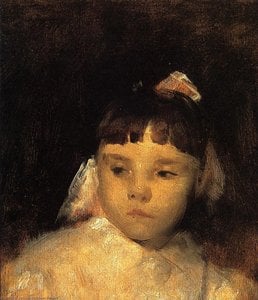
Wydruki giclée lub płótna o jakości muzealnej, szybka realizacja i szeroki wybór opcji wykończenia. ( Zamów ręcznie malowaną reprodukcję Przejdź do wersji cyfrowej)





























Wybierz spośród naszych standardowych rozmiarów, które zachowują oryginalne proporcje dzieła sztuki.

Wpisz wymaganą szerokość i wysokość, aby dopasować grafikę do ramy lub ściany. Wydruk można jedynie przyciąć, nigdy nie powiększając go poza oryginalny obraz, dlatego format o innych proporcjach spowoduje utratę części kompozycji. Przed rozpoczęciem druku prześlemy Ci cyfrowy podgląd do zatwierdzenia. Obraz wyświetlany na tej stronie nie pokazuje rzeczywistego przycięcia — jedynie podgląd oddaje ten efekt.
Dostawa na cały świat () w ciągu 2 tygodni zamiast standardowych 4/5 tygodni. (8 Listopad)
Violet Sleeping
Wymiary reprodukcji
John Singer Sargent's “Violet Sleeping,” painted in 1908, is more than just a watercolor; it’s a carefully constructed tableau of quiet intimacy and understated beauty. Measuring 37 x 54 cm, this piece immediately draws the viewer into a scene of profound stillness – two women, one asleep, the other awake, sharing a moment of serene connection on the ground. Sargent's masterful use of watercolor captures not just likenesses but also the very essence of human emotion, creating an artwork that resonates with a timeless quality.
To fully appreciate “Violet Sleeping,” it’s essential to understand the context in which it was created – the Gilded Age in America. This era was characterized by immense wealth, social extravagance, and a fascination with portraiture as a means of solidifying status and identity. Sargent became one of the most sought-after portraitists of his time, capturing the elegance and sophistication of the American elite. However, unlike many of his contemporaries who idealized their subjects, Sargent often portrayed individuals with a remarkable degree of honesty and vulnerability, revealing glimpses of their inner lives.
His upbringing, spent traveling throughout Europe, profoundly shaped his artistic sensibilities. Unlike artists trained in rigid academic institutions, Sargent developed his skills through direct observation and immersion in the art traditions of Italy, France, and Germany. This unconventional education fostered a unique perspective that allowed him to create portraits that were both technically brilliant and emotionally resonant.
While seemingly simple, “Violet Sleeping” is rich with symbolic potential. The sleeping woman represents vulnerability, peace, and perhaps even mortality – a quiet surrender to the moment. The awake woman embodies attentiveness, care, and a willingness to share this intimate space. The shared dress suggests unity and connection. Sargent’s ability to convey these subtle nuances through his masterful use of watercolor is truly remarkable.
The painting evokes a powerful sense of nostalgia and tranquility. It's a scene that invites the viewer to pause, reflect, and contemplate the beauty of simple human connections. The subdued color palette – dominated by soft blues, greens, and browns – further enhances this feeling of serenity and quiet contemplation.
"Violet Sleeping" stands as a testament to John Singer Sargent’s enduring legacy as one of the most celebrated portraitists of the 19th and early 20th centuries. Its intimate subject matter, combined with Sargent's unparalleled technical skill and artistic vision, makes it a truly exceptional work of art. This reproduction offers an opportunity to own a piece of art history – a window into a moment of quiet intimacy captured forever on paper.
Aby zamówić wydruk dzieła „Violet Sleeping” – John Singer Sargent, wystarczy przejść na jego stronę Wydruk artystyczny premium: szlachetna odbitka na płótnie bawełnianym lub archiwalnym papierze o strukturze płótna.
Dzieło z nurtu Naturalism art movement, zatytułowane "Violet Sleeping", zostało stworzone przez artystę urodzonego w Włochy.
„Violet Sleeping” – John Singer Sargent należy do nurtu Naturalism art movement, przypadającego na okres 19th Century. Razem nadają one dziełu jego miejsce w historii sztuki.


1856 - 1925 , Włochy
Discover the luminous mastery of John Singer Sargent. Explore an expert analysis of his legendary light, Gilded Age elegance, and technical brilliance, perfect for fine art enthusiasts seeking to bring timeless classical beauty into their modern collections.

Discover the breathtaking elegance of John Singer Sargent's masterpieces. From iconic Gilded Age portraits to impressionistic landscapes, explore the technical brilliance and timeless allure of this American master through our premium, hand-painted fine art reproductions.

Discover the ethereal beauty of watercolor through an art-historical lens. Master the delicate balance of light, fluidity, and pigment to capture the luminous essence of nature, inspired by the legendary techniques of the Old Masters and Impressionist greats.
 Podgląd w skali 1:1
 Wyślij jako kartkę
 Udostępnij
 Szczegóły dzieła
 Przewodnik

 Pobierz obraz
 Podobne obiekty
 RTG
RTG Pokaz slajdów
 Pytania i odpowiedzi
 Statystyki

 Rozwiń treść









 Opcja ze szkłem jest dostępna wyłącznie w rozmiarach poniżej 110 cm