


Otrzymaj plik gotowy do druku, którego jakość znacznie przewyższa podgląd internetowy. Każdy sprzedawany przez nas obraz cyfrowy pochodzi z wysokorozdzielczego pliku wzorcowego w naszej bazie — zazwyczaj o szerokości od 5 000 do 15 000 pikseli — dzięki czemu możesz drukować w dużym formacie, mocno kadrować lub z pełnym przekonaniem odwzorowywać najdrobniejsze detale.
Żaden plik nie opuszcza naszego studia bez odpowiedniej obróbki. Ekspert ds. cyfrowej edycji sprawdza zgodność kolorów z oryginałem i w razie potrzeby je koryguje, a następnie za pomocą profesjonalnych narzędzi do retuszu poprawia ostrość oraz szczegółowość — zawsze zachowując wierność pociągnięciom pędzla i stylowi artysty. Rezultatem jest obraz, który wygląda jak prawdziwe dzieło, a nie jak przefiltrowany skan.
Zatwierdzasz przed finalizacją zamówienia: nasz ekspert prześle obraz drogą mailową w ciągu 72 godzin do Twojego wglądu. Nie jesteś zadowolony? Poproś o poprawki lub korektę, bądź o zwrot kosztów, jeśli jakość nie spełnia oczekiwań.
To jakość, na której polegają wydawcy, studia projektowe, galerie oraz drukarnie.
Pobierz plik o wysokiej rozdzielczości do osobistego użytku, druku oraz projektów kreatywnych. ( Przełącz na wydania drukowane Zamów ręcznie malowaną reprodukcję)
Wybierając WahooArt.com, nie otrzymujesz jedynie obrazu – otrzymujesz profesjonalnie udoskonalone cyfrowe dzieło sztuki, stworzone z najwyższą precyzją i objęte gwarancją satysfakcji. Oto wszystko, co automatycznie dołączane jest do Twojego zamówienia:
Plik z obrazem cyfrowym w wysokiej rozdzielczości zostanie przesłany na Twój adres e-mail w ciągu 72 godzin od złożenia zamówienia – gotowy do natychmiastowego użycia.
Twoja grafika została profesjonalnie zoptymalizowana przy użyciu zaawansowanych narzędzi AI oraz ręcznej edycji, co zapewnia maksymalną szczegółowość, klarowność i wierność kolorów.
Przypadkowo usunąłeś lub zgubiłeś swój plik? Bez obaw – prześlemy go Tobie ponownie w dowolnym momencie, bez żadnych opłat.
Ciesz się swoją sztuką natychmiast, bez żadnych opłat celnych, należności ani kosztów dostawy – pliki cyfrowe są zawsze wolne od podatku.
Dzięki zastosowaniu profesjonalnych narzędzi i procesów zarządzania barwą zapewniamy, że Twoje cyfrowe zdjęcie odzwierciedla oryginalne kolory tak wiernie, jak to tylko możliwe.
Jeśli nie będziesz zadowolony ze swojego cyfrowego obrazu, dokonamy jego poprawki lub zwrócimy 100% kosztów w ciągu 100 dni – bez zbędnych pytań.
Nie jesteś zadowolony? Otrzymaj pełny zwrot kosztów w ciągu 100 dni od otrzymania pliku cyfrowego – bez zbędnych pytań.
Kup 3 obrazy, oszczędź 10% - Kup 5, oszczędź 15% - Kup 10+, oszczędź 20%. Idealne do projektów kreatywnych, galerii i agencji.
In the intimate realm of John Singer Sargent’s 1881 portrait, Vernon Lee, we are invited into a profound moment of quietude and intellectual vigor. This is not merely a likeness of the celebrated American novelist and poet; it is an exquisite distillation of character captured through the lens of Impressionistic realism. As the viewer approaches this bust portrait, they are met with the steady, inquisitive gaze of Lee—known by her birth name, Harriet Prescott Eustly—peering through gleaming spectacles that serve as a subtle yet powerful symbol of her scholarly depth and engagement with the philosophical inquiries of her era.
Sargent, a master of the Gilded Age, employs a tightly cropped composition that prioritizes the subject’s presence, pushing her toward the viewer to establish an immediate, almost startling connection. The background remains muted and indistinct, a textured void that allows Lee’s face and upper body to emerge with a ghostly, apparitional quality. There is a certain magic in how the lower portion of the canvas seems to dissolve into unfinished whiteness, suggesting a figure emerging from the very ether of thought and creativity.
To behold this painting is to witness Sargent’s legendary bravura technique in its most refined state. The artist eschews rigid outlines in favor of expressive, fluid brushstrokes that define form through the interplay of light and shadow. One can almost feel the palpable materiality of the paint; the use of impasto in the highlights of her hair and the crisp white of her collar lends a three-dimensional richness to the canvas. This tactile quality creates an illusionistic depth that transcends mere representation, making the subject feel vibrantly alive.
The color palette is a sophisticated study in contrast, dominated by earthy browns, deep blacks, and charcoal tones that ground the composition. These somber hues are brilliantly interrupted by the luminous white of her shirt, a deliberate choice that reflects Sargent’s penchant for capturing fleeting, ethereal moments of light. Soft, diffused illumination bathes Lee’s forehead, nose, and cheekbones, avoiding harsh shadows to foster a mood of contemplative grace. For the discerning collector or interior designer, this balance of dark elegance and bright highlights offers a versatile aesthetic that brings both warmth and intellectual sophistication to any curated space.
Beyond its technical brilliance, the portrait serves as a historical window into the Belle Époque, an era fascinated by the intersection of refined beauty and burgeoning intellectualism. The inclusion of her eyeglasses is far more than a biographical detail; it underscores Lee’s agency as a woman art historian and critic who "usurped the gaze" through her powerful writing. There is a subtle tension in her expression—a hint of surprise or perhaps deep reflection—that suggests an unexpected encounter between the subject and the observer.
For those seeking to adorn their homes with art that tells a story, this reproduction offers more than decoration; it offers a conversation piece rooted in history. It embodies the spirit of a woman who navigated the complexities of Eastern mysticism and feminist ideals, rendered by an artist who could capture the very soul of his sitter. Owning a piece of such profound emotional resonance allows one to surround themselves with the enduring elegance of Sargent’s vision and the indomitable spirit of Vernon Lee.
Intensywność barw w dziele „Vernon Lee” wynosi Monochromatic. Intensywność określa, jak nasycone wydają się kolory.
Kolory dzieła „Vernon Lee” – John Singer Sargent charakteryzują się Muted nasyceniem. Nasycenie określa, jak żywe lub stonowane są barwy.
Kontrast jasności w dziele "Vernon Lee" wynosi Balanced. Kontrast określa stopień zróżnicowania między obszarami jasnymi a ciemnymi.

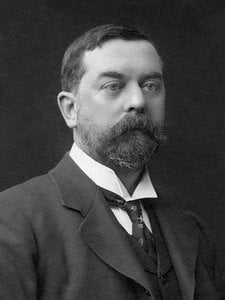
1856 - 1925 , Włochy
 Podgląd w skali 1:1
 Wyślij jako kartkę
 Udostępnij
 Szczegóły dzieła
 Przewodnik

 Pobierz obraz
 Podobne obiekty
 RTG
RTG Pokaz slajdów
 Pytania i odpowiedzi
 Statystyki


 Rozwiń treść


