Podgląd w skali 1:1 Podgląd AR Zamów ręcznie malowaną reprodukcję Przejdź do wersji cyfrowej Wyślij jako kartkę
Szczegóły dzieła Przewodnik Dodaj do ulubionych Pobierz obraz Podobne obiekty RTG Pokaz slajdów Statystyki

Hiszpańska tancerka (studium)

„Hiszpańska tancerka (studium)” Johna Singera Sargenta to zachwycające akwarelowe arcydzieło z 1880 r., ukazujące jego niezwykłą umiejętność przedstawiania ruchu i barw w stylu impresjonistycznym Belle Époque.

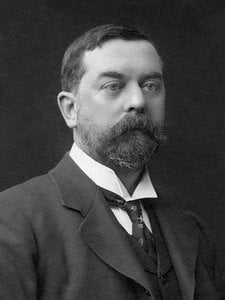
John Singer Sargent – amerykański malarz i portrecista z epoki Złotych Lwów. Znany z luksusowych portretów, pejzaży i impresjonistycznego stylu. Jego dzieła fascynują do dziś.

Giclée / Wydruk artystyczny

Wydruki giclée lub płótna o jakości muzealnej, szybka realizacja i szeroki wybór opcji wykończenia. ( Zamów ręcznie malowaną reprodukcję Przejdź do wersji cyfrowej)

Corner sample of the P118B picture frame: polistyren formowany, 5 cm wide and 3 cm thick
P118B zł10
Corner sample of the P118H picture frame: polistyren formowany, 5 cm wide and 3 cm thick
P118H zł10
Corner sample of the P118W picture frame: polistyren formowany, 5 cm wide and 3 cm thick
P118W zł10
Corner sample of the P438Z picture frame: polistyren formowany, 5.5 cm wide and 3.5 cm thick
P438Z zł10
Corner sample of the P508JH picture frame: polistyren formowany, 7 cm wide and 3.5 cm thick
P508JH zł12
Corner sample of the P508YH picture frame: polistyren formowany, 7 cm wide and 3.5 cm thick
P508YH zł12
Corner sample of the P805H picture frame: polistyren formowany, 5 cm wide and 3.5 cm thick
P805H zł10
Corner sample of the P805Z picture frame: polistyren formowany, 5 cm wide and 3.5 cm thick
P805Z zł10
Corner sample of the P919BZ picture frame: polistyren formowany, 7 cm wide and 3.5 cm thick
P919BZ zł10
Corner sample of the P919G picture frame: polistyren formowany, 7 cm wide and 3.5 cm thick
P919G zł10
Corner sample of the P919XJ picture frame: polistyren formowany, 7 cm wide and 3.5 cm thick
P919XJ zł10
Corner sample of the P959ZH picture frame: polistyren formowany, 5 cm wide and 3 cm thick
P959ZH zł10
Corner sample of the P968JZ picture frame: polistyren formowany, 6 cm wide and 4 cm thick
P968JZ zł12
Corner sample of the W106C picture frame: lite drewno, 5 cm wide and 3 cm thick
W106C zł8
Corner sample of the W218G picture frame: lite drewno, 5 cm wide and 3 cm thick
W218G zł10
Corner sample of the W218JH picture frame: lite drewno, 5 cm wide and 3 cm thick
W218JH zł8
Corner sample of the W218Y picture frame: lite drewno, 5 cm wide and 3 cm thick
W218Y zł10
Corner sample of the W307PJ picture frame: lite drewno, 6 cm wide and 3 cm thick
W307PJ zł10
Corner sample of the W316G picture frame: lite drewno, 6 cm wide and 3 cm thick
W316G zł10
Corner sample of the W316PJ picture frame: lite drewno, 6 cm wide and 3 cm thick
W316PJ zł8
Corner sample of the W316Y picture frame: lite drewno, 6 cm wide and 3 cm thick
W316Y zł10
Corner sample of the W398PJ picture frame: lite drewno, 5 cm wide and 3 cm thick
W398PJ zł8
Corner sample of the W4111J picture frame: lite drewno, 6.5 cm wide and 3.5 cm thick
W4111J zł10
Corner sample of the W500HY picture frame: lite drewno, 7 cm wide and 5 cm thick
W500HY zł15
Corner sample of the W500JH picture frame: lite drewno, 7 cm wide and 5 cm thick
W500JH zł15
Corner sample of the W692G picture frame: lite drewno, 8 cm wide and 4 cm thick
W692G zł12
Corner sample of the W849H picture frame: lite drewno, 5 cm wide and 3 cm thick
W849H zł8
Corner sample of the W940BG picture frame: lite drewno, 7.5 cm wide and 4.5 cm thick
W940BG zł15
Corner sample of the W953PJ picture frame: lite drewno, 6 cm wide and 3.5 cm thick
W953PJ zł8

Standardowy format
personalizowane
CM
INCH

Wybierz spośród naszych standardowych rozmiarów, które zachowują oryginalne proporcje dzieła sztuki.

szerokość
wysokość

Wpisz wymaganą szerokość i wysokość, aby dopasować grafikę do ramy lub ściany. Wydruk można jedynie przyciąć, nigdy nie powiększając go poza oryginalny obraz, dlatego format o innych proporcjach spowoduje utratę części kompozycji. Przed rozpoczęciem druku prześlemy Ci cyfrowy podgląd do zatwierdzenia. Obraz wyświetlany na tej stronie nie pokazuje rzeczywistego przycięcia — jedynie podgląd oddaje ten efekt.

Dostawa na cały świat () w ciągu 2 tygodni zamiast standardowych 4/5 tygodni. (26 Październik)

Bezpłatna ekspresowa wysyłka na cały świat
Wysokiej jakości płótno lniane
Pełne ubezpieczenie przesyłki
Gwarancja zwrotu należności celnych i podatków importowych
Gwarancja wiernego odwzorowania kolorów
100-dniowa polityka zwrotów (tylko w przypadku wad)
Gwarancja 100% zwrotu pieniędzy
Zniżka przy zakupie wielu sztuk

Suma całkowita

zł 261

Hiszpańska tancerka (studium)

Giclée / Wydruk artystyczny

Wymiary reprodukcji

-

Cena całkowita

zł 261

Najważniejsze informacje

  • Artist: John Singer Sargent
  • Artistic style: Świetliste laserunki; impresjonistyczna wrażliwość
  • Title: Hiszpańska tancerka (studium)
  • Year: 1879
  • Subject or theme: Taniec; Portret

Quiz o sztuce

Do każdego pytania dotyczy tylko jedna poprawna odpowiedź.

Pytanie 1:
Jaki styl artystyczny jest dominujący w dziele Johna Singera Sargenta „Spanish Dancer (Study)”?
Pytanie 2:
W którym roku powstało dzieło „Spanish Dancer (Study)”?
Pytanie 3:
Gdzie obecnie znajduje się obraz „Spanish Dancer (Study)”?
Pytanie 4:
Jaki wyraźny element przyczynia się do nastrojowego tła przedstawionego w „Spanish Dancer (Study)”?
Pytanie 5:
Obraz uchwycił moment ruchu i ekspresji, przekazany głównie poprzez zastosowanie przez Sargenta jakiej techniki?

Portret ruchu: „Hiszpańska tancerka (studium)” Johna Singera Sargenta

Akwarelowy obraz „Hiszpańska tancerka (studium)” autorstwa Johna Singera Sargenta stanowi emblemat Belle Époque, chwytając nie tylko podobieństwo, ale ulotną chwilę gracji i artystycznej innowacji. Dzieło to, ukończone w 1880 roku podczas jego płodnych lat paryskich, wykracza poza zwykłą reprezentację; ucieleśnia mistrzowskie opanowanie techniki impresjonistycznej przez Sargenta i przemawia do tematów kobiecości, performansu oraz dążenia do piękna – elementów, które do dziś rezonują z odbiorcami.

Wizja malarza: Doskonale dopracowany impresjonizm

Filozofia artystyczna Sargenta była głęboko zakorzeniona w impresjonizmie, reprezentowanym przez takich artystów jak Claude Monet czy Pierre-Auguste Renoir. Jednakże, w przeciwieństwie do swoich współczesnych, którzy często przedkładali chwytanie efektów atmosferycznych nad precyzyjny detal, Sargent dążył do oddania dynamizmu swojego tematu z niezwykłą dokładnością. Warto zaobserwować, jak osiąga to poprzez technikę charakteryzującą się swobodnymi pociągnięciami pędzla – szczególnie widocznymi na zachmurzonym niebie i nakrapianej roślinności – które płynnie się przenikają, tworząc iluzję migotliwego światła i powietrza. Samo medium akwareli idealnie nadaje się do tego przedsięwzięcia, pozwalając na subtelne gradacje koloru i uchwycenie efemerycznej jakości ruchu z niespotykaną finezją.

Moment zamrożony w czasie: Kontekst historyczny

„Hiszpańska tancerka (studium)” powstała w okresie znaczących przemian społecznych w Europie. Era wiktoriańska słabła, ustępując miejsca atmosferze optymizmu i artystycznego eksperymentowania. Temat Sargenta – młoda kobieta ubrana w żółć – reprezentuje rodzące się zainteresowanie przedstawianiem kobiet jako aktywnych uczestniczek społeczeństwa, a nie tylko biernych obiektów podziwu. Co więcej, poza tancerki – z ramionami wyciągniętymi ku górze, co wyraża poczucie aspiracji – odzwierciedla szerszą kulturową tęsknotę za wolnością i ekspresją własną, powszechną w tamtym czasie. Obecność tego obrazu w Nelson-Atkins Museum of Art podkreśla jego znaczenie jako kamienia milowego amerykańskiego impresjonizmu.

Warstwy symboliczne: Kolor i gest

Dominujący odcień – żółty – niesie ze sobą znaczny ciężar symboliczny, tradycyjnie kojarzony z optymizmem, witalnością i oświeceniem. Sargent po mistrzowsku wykorzystuje ten kolor, aby rozświetlić postać tancerki, podkreślając jej promienną urodę i przekazując intensywność emocjonalną, która wykracza poza zwykłą obserwację wizualną. Równie istotny jest gest tancerki – wyciągnięte ramiona – który symbolizuje pragnienie transcendencji i połączenia z czymś większym niż własna jednostka. Ten ruch ucieleśnia ducha samego wysiłku artystycznego: dążenie do uchwycenia ulotnych chwil prawdy i piękna, przy jednoczesnym zaproszeniu do kontemplacji uniwersalnych tematów.

Rezonans emocjonalny: Uchwycenie esencji

Ostatecznie „Hiszpańska tancerka (studium)” odnosi sukces w przekazywaniu rezonansu emocjonalnego, który wykracza poza jej formalne elementy. Obraz przywołuje poczucie spokoju zmieszanego z tęsknotą – cichy podziw dla elegancji ruchu i dążenia do artystycznej doskonałości. Jest to świadectwo zdolności Sargenta do destylacji złożonych idei w pojedynczy obraz, chwytający nie tylko to, co widział, ale także to, co czuł. Jak każde wyjątkowe dzieło sztuki, zaprasza on widzów do podjęcia dialogu z jego wizualnym językiem, skłaniając do refleksji nad tematami piękna, gracji i trwałej mocy artystycznej ekspresji.

Pytania i odpowiedzi

Czy mogę zobaczyć podgląd „Hiszpańska tancerka (studium)” – John Singer Sargent przed złożeniem zamówienia?

Podgląd dzieła „Hiszpańska tancerka (studium)” – John Singer Sargent można znaleźć na stronie Podgląd w pomieszczeniu.

Jakie emocje budzi "Hiszpańska tancerka (studium)"?

Emocjonalny ton przypisany do „Hiszpańska tancerka (studium)” – John Singer Sargent to Czuły i romantyczny. Oddaje on emocje, jakie wyraża to dzieło.

Co przedstawia „Hiszpańska tancerka (studium)” – John Singer Sargent?

Tematyka obecna w „Hiszpańska tancerka (studium)” – John Singer Sargent obejmuje taniec, akwarela, elegancka kobieta, żółta suknia, nastrojowe otoczenie, uchwycenie ruchu, styl sargentowski. Razem stanowią one podsumowanie tematyki dzieła.


Biografia artysty

A Life Immersed in Light and Society

John Singer Sargent, a name synonymous with the Gilded Age and its shimmering portraits of elegance, was an American artist who spent most of his life cultivating his craft within the European art world. Born in Florence, Italy, in 1856 to American expatriate parents, Fitzwilliam and Mary Newbold Sargent, his upbringing was anything but conventional. The family’s nomadic existence – constantly traversing France, Germany, Italy, and Switzerland – instilled in young John a cosmopolitan sensibility and an early exposure to the artistic treasures of Europe. Rather than formal schooling, his education unfolded within museum halls and ancient churches, fostering a visual literacy that would profoundly shape his artistic vision. This itinerant childhood, while lacking traditional structure, provided a rich tapestry of cultural experiences that fueled his developing talent. His father, a surgeon, and his mother, an amateur artist, encouraged his inclinations, recognizing early on the remarkable acuity of his observational skills. It was clear from a young age that John’s path lay not in medicine or conventional pursuits, but within the realm of art.

From Parisian Atelier to Portrait Master

In 1874, at the age of eighteen, Sargent embarked on a pivotal chapter of his artistic development by entering the Paris studio of Carolus-Duran. This mentorship proved transformative. Duran’s emphasis on *direct painting* – a technique eschewing preliminary sketches in favor of immediate application of paint to canvas – honed Sargent's already impressive technical facility and instilled within him an astonishing ability to capture likenesses with speed and precision. It was a revolutionary approach, encouraging boldness and spontaneity, and it became the hallmark of Sargent’s style. He absorbed Duran’s lessons wholeheartedly, mastering the art of capturing not just physical resemblance but also the very essence of his sitters. Simultaneously, he enrolled at the École des Beaux-Arts, further refining his skills in drawing from casts and life models. However, it was the influence of Spanish masters like Velázquez, encountered during a formative trip to Spain in 1879, that truly ignited Sargent’s artistic imagination. He became captivated by Velázquez’s masterful use of light, brushwork, and psychological insight – qualities he would strive to emulate throughout his career.

Navigating Fame, Scandal, and Artistic Evolution

Sargent quickly established himself as a sought-after portraitist in Paris, attracting commissions from the city’s elite. However, his ascent was not without its challenges. The unveiling of *Madame X* (Portrait of Madame Pierre Gautreau) at the 1884 Salon ignited a scandal that threatened to derail his burgeoning career. The painting's daring depiction of socialite Virginie Amélie Avegno Gautreau – with her pale complexion, suggestive pose, and fallen strap – was deemed provocative and scandalous by Parisian society. Though Sargent later repainted the strap, the damage was done. Disheartened by the controversy, he relocated to London in 1886, where he found a more receptive audience for his talents. In London, he continued to paint portraits of the wealthy and prominent, capturing the opulence and social dynamics of Edwardian society with unparalleled skill. Yet, Sargent’s artistic ambitions extended beyond the confines of commissioned portraiture. He yearned for greater creative freedom and increasingly devoted himself to landscape painting and plein-air studies, embracing an Impressionistic style characterized by loose brushwork, vibrant colors, and a focus on capturing fleeting moments of light and atmosphere. These landscapes reveal a different side of Sargent – one less concerned with social status and more attuned to the beauty of the natural world.

Influences and Artistic Kinships

  • Carolus-Duran: His teacher, who instilled in him a direct painting technique and encouraged spontaneity.
  • Diego Velázquez: Sargent deeply admired Velázquez’s mastery of light, brushwork, and psychological insight, particularly evident in his Spanish works.
  • Impressionism: The Impressionists' emphasis on capturing fleeting moments and atmospheric effects profoundly impacted his landscape paintings, leading to a looser, more expressive style.
  • James Abbott McNeill Whistler: Sargent shared with Whistler an interest in aestheticism and the pursuit of “art for art’s sake,” influencing his approach to composition and color.

A Lasting Legacy: Beyond Portraiture

While celebrated as “the leading portrait painter of his generation,” John Singer Sargent’s artistic legacy extends far beyond his masterful depictions of society figures. His major works, such as *El Jaleo*, a dynamic portrayal of Spanish flamenco dancers, and *Carnation, Lily, Lily, Rose*, a serene depiction of two young girls in an English garden, demonstrate his versatility and technical brilliance. Later in life, he embarked on ambitious mural projects, including the monumental cycle at the Boston Public Library, showcasing his ability to translate his artistic vision onto a grand scale. His influence can be seen in the work of subsequent generations of artists who admired his technical skill, his bold brushwork, and his ability to capture both physical likeness and psychological depth. The rediscovery of his previously hidden male nudes in the 1980s further broadened our understanding of Sargent’s artistic range and revealed a more complex and nuanced artist than previously recognized. His paintings continue to captivate audiences worldwide, offering a fascinating glimpse into a bygone era while simultaneously transcending time through their enduring beauty and technical mastery. He remains, undeniably, one of the most significant American artists of his generation, whose work continues to inspire and provoke admiration.

John Singer Sargent

John Singer Sargent

1856 - 1925 , Włochy

Krótka nota

  • Artistic Movement Or Style: Impressionizm
  • Artists Or Movements Influenced By This Artist: ['Whistler']
  • Artists Who Influenced This Artist:
    • Carolus-Duran
    • Velázquez
  • Date Of Birth: 12 stycznia 1856
  • Date Of Death: 15 kwietnia 1925
  • Full Name: John Singer Sargent
  • Nationality: Amerykanin
  • Notable Artworks:
    • Madame X
    • El Jaleo
    • Carnation, Lily, Lily, Rose
  • Place Of Birth: Florencja, Włochy
Odkryj dzieła sztuki uporządkowane według tematów, stylów i cech charakterystycznych.