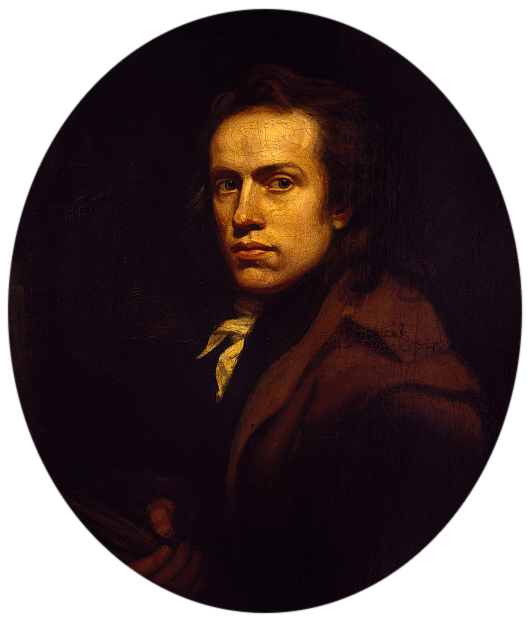
Biografia artysty
Wzlot Kornwalijskiego Prodigy: Życie i Sztuka Johna Opie
John Opie, urodzony w 1761 roku w skromnych okolicznościach Harmony Cottage w Trevellas w Kornwalii, wyłonił się jako jedna z najbardziej niezwykłych postaci artystycznych swojego pokolenia. Jego historia to porywająca opowieść o surowym talencie pielęgnowanym wbrew przeciwnościom losu, o drodze od syna cieśli do znamienitego portrecisty i malarza historycznego, Członka Królewskiej Akademii oraz wpływowego głosu w brytyjskim świecie sztuki. Wczesne lata Opie charakteryzowały się przedwczesną biegłością zarówno w rysunku, jak i matematyce – tą dwoistością, która być może wpłynła na jego skrupulatne podejście do kompozycji i formy. Już jako mały chłopiec wykazywał niezależnego ducha, zakładając wieczorną szkołę, by uczyć czytania, pisania i arytmetyki lokalnych dzieci, jednocześnie zgłębiając geometrię Euklidesa. Ten głód wiedzy, połączony z artystyczną skłonnością, spotkał się początkowo z oporem ojca, który nalegał na naukę rzemiosła u cieśli. Jednak los interweniował pod postacią doktora Johna Wolcota, znanego jako Peter Pindar – lekarza i satyryka, którego przenikliwe oko dostrzegło nadzwyczajny potencjał w młodym Opie.
Mentoring, Londyn i Królewski Patronat
Wolcot stał się protektorem Opie, zapewniając mu uwolnienie z przymusowej nauki rzemiosła oraz dostarczając nieocenionego przewodnictwa, wsparcia i kluczowych znajomości. Ten mentoring okazał się przełomowy dla rozpoczęcia kariery artysty. W 1781 roku wyruszyli razem do Londynu, gdzie Wolcot z wielką przebiegłością przedstawił Opie jako samouka-cud – „kornwalijską osobliwość”, nietkniętą formalnym wykształceniem artystycznym. Ta narracja oczarowała londyńską scenę artystyczną, przyciągając porównania do mistrzów takich jak Caravaggio czy Velázquez, płynące od samego Sir Joshuy Reynoldsa. Początkowy sukces był błyskawiczny i olśniewający. Napływały liczne zlecenia, w tym portrety członków brytyjskiej rodziny królewskiej – wśród nich książę i księżna Gloucester, Lady Salisbury oraz Mary Delany. Rezydencja Opie przy Castle Street stała się centrum modnego towarzystego życia, a jego talent budził powszechny podziw. Jednak współpraca z Wolcotem ostatecznie uległa rozłamowi, gdy Opie upomniał się o własną niezależność, pragnąc wytyczyć własną ścieżkę bez ograniczeń umowy o podziale zysków. Ten okres ugruntował reputację artysty, czyniąc go czołowym portrecistą zdolnym do uchwycenia nie tylko fizycznego podobieństwa, ale także charakteru i statusu społecznego swoich modeli.
Poza Portret: Malarstwo Historyczne i Akademickie Uznanie
Choć początkowo celebrowany za swoje portrety, Opie skrywał ambicje wykraczające poza samo dokumentowanie twarzy elit. Pragnął on zmierzyć się z wielkimi narracjami historycznymi, dążąc do ugruntowania swojej pozycji jako malarz tematów o doniosłym znaczeniu. Ta ambicja skłoniła go do eksploracji malarstwa historycznego, czego kulminacją stały się dzieła takie jak Zabójstwo Jakuba I (1786) oraz Morderstwo Rizzio (1787). To drugie okazało się szczególnie wpływowe, przynosząc mu natychmiastowy wybór na członka stowarzyszonego Królewskiej Akademii i pełne członkostwo w roku następnym. Te obrazy historyczne demonstrowały rosnącą biegłość w kompozycji, dramatycznym operowaniu światłem – często przywodzącym na myśl Rembrandta – oraz oddanie sprawom przekazywania intensywności emocjonalnej. Oddanie Opie dla rzemiosła wykraczało poza samo malarstwo; aktywnie dążył on do poszerzenia swoich horyzontów intelektualnych poprzez studia nad łaciną, literaturą francuską oraz uczestnictwo w wyrafinowanych kręgach towarzyskich. Stał się również głęboko zaangażowany w Shakespeare Gallery Johna Boydella, tworząc pięć obrazów inspirowanych dramatami Szekspira, co jeszcze bardziej umocniło jego pozycję w artystycznym establishmentie.
Dziedzictwo Sztuki i Myśli
Późniejsze lata życia Opie były naznaczone zarówno sukcesami zawodowymi, jak i osobistymi wyzwaniami. Jego pierwsze małżeństwo okazało się nieszczęśliwe i zakończyło się rozwodem w 1796 roku. Odnalazł jednak trwałe szczęście u boku Amelii Alderson, pisarki i abolicjonistki, z którą poślubił się w 1798 roku. Ich partnerstwo opierało się na wzajemnym wsparciu i intelektualnej stymulacji. W 1805 roku Opie został mianowany profesorem malarstwa w Królewskiej Akademii, co stanowiło dowód jego wysokiej pozycji w świecie sztuki. Jego wykłady, wygłoszone w 1806 roku i opublikowane pośmiertnie w 1809 roku wraz z wspomnieniami Amelii, ujawniły przemyślany i elokwentny umysł głęboko zaangażowany w zasady kreacji artystycznej. Opowiadał się za utworzeniem narodowej galerii – wizjonerskiej idei, która ostatecznie stała się rzeczywistością – i oferował trafne komentarze na temat stanu brytyjskiej sztuki. Przedwczesna śmierć Johna Opie w kwietniu 1807 roku, w wieku zaledwie 46 lat, przerwała obiecującą karierę, lecz jego dziedzictwo trwa. Pozostawił po sobie imponujący dorobek – ponad 500 portretów i 250 innych obrazów – który oferuje fascynujący wgląd w krajobraz społeczny i kulturowy Wielkiej Brytanii przełomu XVIII i XIX wieku. Pozostaje on znaczącą postacią w historii brytyjskiej sztuki, celebrowaną za techniczną biegłość, przenikliwe portretowanie oraz wkład w dyskurs artystyczny.



 Podgląd w skali 1:1
 Przełącz na wydania drukowane
 Wyślij jako kartkę
 Udostępnij
 Szczegóły dzieła
 Przewodnik

 Pobierz obraz
 Podobne obiekty
 RTG
RTG Pokaz slajdów
 Statystyki


 Rozwiń treść