DARMOWA KONSULTACJA ARTYSTYCZNA

x
Zamów wydruk Zamów wydrukZamów reprodukcję Zamów reprodukcję UdostępnijUdostępnij
SzczegółySzczegóły Dodaj do ulubionych Dodaj do ulubionych PobierzPobierz Podobne obiektyPodobne obiekty RTGRTG Pokaz slajdówPokaz slajdów

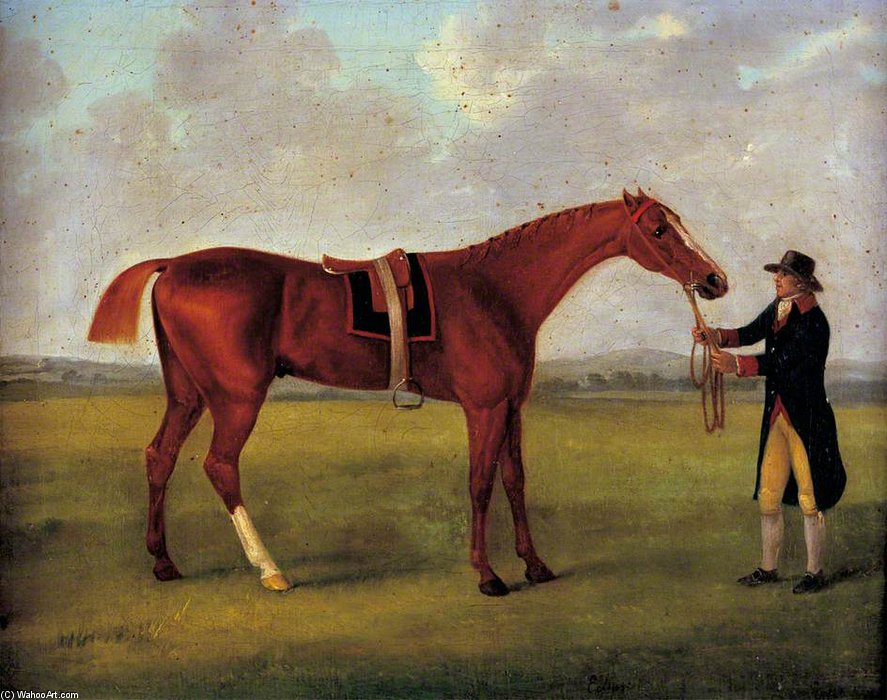
Eclipse

Discover John Nost Sartorius (1759-1828), a renowned British equine painter celebrated for his detailed sporting scenes & portraits of racehorses. Explore his works at WahooArt.

Kup wysokiej rozdzielczości, ulepszony obraz cyfrowy, znacznie lepszy niż podgląd online.

Każdy plik jest starannie przygotowywany przez naszych specjalistów przy użyciu zaawansowanych narzędzi oraz profesjonalnej, ręcznej retuszy. Dbamy o to, aby każdy obraz cechował się wyjątkową ostrością, precyzyjnym odwzorowaniem kolorów i subtelnymi detalami.

Ostateczny plik dostarczany jest drogą mailową w ciągu 72 godzin, zoptymalizowany do natychmiastowego wykorzystania w profesjonalnych zastosowaniach redakcyjnych i poligraficznych. To ta sama jakość, której ufają czołowe studia projektowe, wydawnictwa oraz galerie sztuki.

Obraz cyfrowy

Pobierz plik o wysokiej rozdzielczości do osobistego wyświetlania, druku oraz projektów kreatywnych.

Suma do zapłaty

$9.99

Zawarte w każdym zamówieniu na obraz cyfrowy

Profesjonalna dostawa cyfrowa, gwarantowana

Wybierając WahooArt.com, nie otrzymujesz jedynie obrazu – otrzymujesz profesjonalnie udoskonalone cyfrowe dzieło sztuki, stworzone z najwyższą precyzją i objęte gwarancją satysfakcji. Oto wszystko, co automatycznie dołączane jest do Twojego zamówienia:

shipping_icon
Błyskawiczna wysyłka e-mailowa

Plik z obrazem cyfrowym w wysokiej rozdzielczości zostanie przesłany na Twój adres e-mail w ciągu 72 godzin od złożenia zamówienia – gotowy do natychmiastowego użycia.

canvas_icon
Plik cyfrowy wzbogacony przez AI

Twoja grafika została profesjonalnie zoptymalizowana przy użyciu zaawansowanych narzędzi AI oraz ręcznej edycji, co zapewnia maksymalną szczegółowość, klarowność i wierność kolorów.

insurance_icon
Dożywotnia darmowa ponowna dostawa

Przypadkowo usunąłeś lub zgubiłeś swój plik? Bez obaw – prześlemy go Tobie ponownie w dowolnym momencie, bez żadnych opłat.

tax_icon
Bez opłat importowych – zawsze

Ciesz się swoją sztuką natychmiast, bez żadnych opłat celnych, należności ani kosztów dostawy – pliki cyfrowe są zawsze wolne od podatku.

color_icon
Gwarancja wierności kolorów

Dzięki zastosowaniu profesjonalnych narzędzi i procesów zarządzania barwą zapewniamy, że Twoje cyfrowe zdjęcie odzwierciedla oryginalne kolory tak wiernie, jak to tylko możliwe.

return_icon
60-dniowa gwarancja satysfakcji

Jeśli nie będziesz zadowolony ze swojego cyfrowego obrazu, poprawimy go lub zwrócimy 100% kosztów w ciągu 60 dni – bez żadnych pytań.

guarantee_icon
100% Gwarancja zwrotu pieniędzy

Nie zadowoleni? Otrzymaj pełny zwrot kosztów w ciągu 60 dni od otrzymania pliku cyfrowego – bez zbędnych pytań.

discount_icon
Rabaty na zamówienia hurtowe

Kup 3 obrazy, oszczędź 10% - Kup 5, oszczędź 15% - Kup 10+, oszczędź 20%. Idealne do projektów kreatywnych, galerii i agencji.


Biografia artysty

John Nost Sartorius: The Quintessential Sporting Artist

John Nost Sartorius (1759–1828) stands as a singular figure in British art history—a master of equine painting who captured the spirit of aristocratic leisure and sporting pursuits with unparalleled precision. Born into an artistic lineage, Sartorius’s legacy rests on his prolific output of canvases depicting horses, racing events, and hunting expeditions, cementing his place among the foremost animal painters of his era.

Early Life & Artistic Training

Information about Sartorius's formative years is scarce, but he emerged from obscurity as a descendant of artists who had established themselves in London’s art world. His father, also John Sartorius, was a respected portrait painter, and his grandfather, William Sartorius, possessed considerable artistic talent. This familial tradition instilled within him an appreciation for visual representation and undoubtedly influenced his own artistic inclinations. While biographical details remain elusive, Sartorius's dedication to honing his craft suggests a rigorous apprenticeship under established masters—a crucial step in developing the distinctive style that would define his oeuvre.

A Career Dedicated to Equestrian Art

Sartorius’s professional life commenced around 1781 when he debuted as an exhibitor at the Royal Academy, marking the beginning of a sustained artistic career spanning four decades. Walter Gilbey's seminal work, “Animal Painters of England from the Year 1650,” meticulously documented Sartorius’s contributions to the Academy’s exhibitions, highlighting his commitment to portraying animals with remarkable realism and sensitivity. Notably, he showcased seventy-four paintings—a testament to his prolific output and unwavering passion for equine subjects. Publications like "The Sporting Magazine" further disseminated Sartorius's artistic achievements through engraved plates featuring scenes from racing and hunting—collaborations with prominent engravers such as J. Walker and J. Webb ensuring that his images reached a wide audience.

Notable Paintings & Artistic Style

Sartorius’s fame solidified through depictions of iconic racehorses like “Escape,” belonging to the Prince of Wales, and “Grey Diomed,” owned by Sir Charles Bunbury—works imbued with meticulous detail and capturing the dynamism of equestrian sport. Perhaps his most celebrated achievement was the portrayal of “Eclipse,” a legendary thoroughbred whose likeness Sartorius painstakingly recreated from a drawing by his father. These paintings exemplify Sartorius’s artistic style: characterized by Neoclassical influences blended seamlessly with Romantic sensibilities. He skillfully employed chiaroscuro—the dramatic interplay of light and shadow—to sculpt form, conveying texture and movement with breathtaking accuracy. Furthermore, he demonstrated an exceptional understanding of color palettes, utilizing muted tones to evoke atmosphere and enhancing the emotional impact of his compositions.

Legacy & Influence

The publication of “A Set of Four Hunting Pieces” in 1790—featuring plates engraved by Peltro William Tomkins and James Neagle—served as another significant milestone in Sartorius’s artistic journey, establishing him as a respected artist within the broader artistic community. His sons, John Francis Sartorius and Francis Sartorius Jr., continued the family tradition of equine painting, demonstrating Sartorius's enduring influence on subsequent generations of artists. Today, John Nost Sartorius remains revered as one of Britain’s most accomplished animal painters—a figure whose canvases continue to captivate viewers with their timeless beauty and masterful execution. His work stands as a poignant reminder of an era defined by aristocratic pursuits and the profound appreciation for the natural world expressed through art.
John Nost Sartorius

John Nost Sartorius

1759 - 1828 , United Kingdom

Krótka nota

  • Artistic Movement Or Style: Equine Painting
  • Artists Or Movements Influenced By This Artist: ['']
  • Artists Who Influenced This Artist: ['']
  • Date Of Birth: 1759
  • Full Name: John Nost Sartorius
  • Nationality: British
  • Notable Artworks:
    • Man With A Horse & Greyhound
    • Hunting Scene, In Full Cry
    • A gentleman and his bay hack
  • Place Of Birth: United Kingdom