DARMOWA KONSULTACJA ARTYSTYCZNA

x
Zamów reprodukcję Zamów reprodukcjęKup cyfrowy obraz Kup cyfrowy obraz UdostępnijUdostępnij
SzczegółySzczegóły Dodaj do ulubionych Dodaj do ulubionych PobierzPobierz Podobne obiektyPodobne obiekty RTGRTG Pokaz slajdówPokaz slajdów

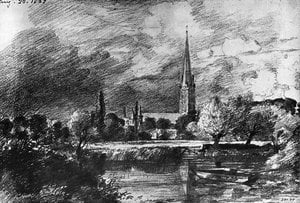
Żwirenia

Magnificent reprodukcja obrazu Johna Constabla „Żwirenia”. Klasyczny krajobraz angielskiej wsi z łodzią ciągniętą przez konie i ludźmi, uchwycony w pięknym świetle XVIII wieku. Doskonała dekoracja wnętrza.

John Constable (1776-1837) – brytyjski malarz krajobrazowy, rewolucjonista gatunku. Jego emocjonalne obrazy z Suffolku, takie jak 'Wagon na siano', inspirują do podziwiania piękna natury.

Giclée / Wydruk artystyczny

Druk giclée lub płótno o jakości muzealnej z szybką realizacją i szerokim wyborem opcji wykończenia.

P118B $10
P118H $10
P118W $10
P438Z $10
P508JH $12
P508YH $12
P805H $10
P805Z $10
P919BZ $10
P919G $10
P919XJ $10
P959ZH $10
P968JZ $12
W106C $8
W218G $10
W218JH $8
W218Y $10
W307PJ $10
W316G $10
W316PJ $8
W316Y $10
W398PJ $8
W4111J $10
W500HY $15
W500JH $15
W692G $12
W849H $8
W940BG $15
W953PJ $8

Standard
custom
CM
INCH

Wybierz spośród naszych predefiniowanych rozmiarów, które zachowują oryginalne proporcje dzieła sztuki.

szerokość
wysokość

Możesz wprowadzić własne wymiary, aby dopasować dzieło do konkretnej ramy lub przestrzeni. Jeśli wybrany rozmiar nie będzie odpowiadał proporcjom oryginalnego obrazu, przytniecie dzieło lub rozszerzymy obraz za pomocą odbicia lustrzanego lub jednolitego wypełnienia krawędzi. Przed rozpoczęciem produkcji prześlemy cyfrową wizualizację do Twojej akceptacji.
Prosimy pamiętać, że podgląd na ekranie nie odzwierciedla faktycznego przycinania ani rozszerzania. Tylko wizualizacja dokładnie pokaże końcową kompozycję.
Mimo dostępności niestandardowych rozmiarów, zalecamy wybór wymiaru z listy zdefiniowanej, aby zachować oryginalne proporcje.

Dostawa na cały świat () w ciągu 2 tygodni zamiast standardowych 4/5 tygodni. (3 Lipiec)

why_choose_icon
Bezpłatna ekspresowa wysyłka na cały świat
why_choose_icon
Wysokiej jakości płótno lniane
why_choose_icon
Pełne ubezpieczenie przesyłki
why_choose_icon
Gwarancja zwrotu należności celnych
why_choose_icon
Gwarancja pełnego zgodności kolorystycznej
why_choose_icon
Polityka 60-dniowego zwrotu (tylko w przypadku wad)
why_choose_icon
Gwarancja 100% zwrotu pieniędzy
why_choose_icon
Zniżka przy większych zamówieniach

Suma całkowita

-

reproduction

Żwirenia

Giclée / Wydruk artystyczny

Wymiary reprodukcji

-

Cena całkowita

-

Szybkie fakty

  • Location: Suffolk Museums Service Collection
  • Influences: Claude Lorrain
  • Subject or theme: Rural Life; Agricultural Scene
  • Dimensions: 130 x 185 cm
  • Year: 1821
  • Artist: John Constable
  • Artistic style: Realist Landscape Painting

Quiz o sztuce

Na każde pytanie istnieje tylko jedna poprawna odpowiedź.

Pytanie 1:
What is the primary subject matter depicted in ‘The Hay Wain’?
Pytanie 2:
In what year was ‘The Hay Wain’ painted?
Pytanie 3:
Who introduced John Constable to the influence of Claude Lorrain, fostering his appreciation for Romantic landscape painting?
Pytanie 4:
What artistic technique is prominently employed by Constable in ‘The Hay Wain’ to convey the atmospheric conditions of the scene?
Pytanie 5:
‘The Hay Wain’ exemplifies the Romantic movement's focus on:

Opis obiektu kolekcjonerskiego

John Constable’s “The Hay Wain”: A Symphony of Light and Rural Tranquility

A glimpse into the soul of England – that's precisely what John Constable’s monumental painting, "The Hay Wain," captures. Completed in 1821, this iconic landscape masterpiece resides within Dedham Vale National Park, a region profoundly influential on Constable’s artistic vision and subsequently on Romantic art itself. More than just depicting a picturesque riverside scene, the canvas embodies a complex tapestry of observation, emotion, and artistic innovation.

Subject Matter and Composition

The painting portrays a humble barge journey along the River Stour, transporting hay bales towards Ipswich market – a commonplace activity in rural Suffolk during Constable’s time. However, Constable elevates this ordinary subject into something extraordinary through meticulous detail and masterful composition. Two horses pull the barge, their muscular forms rendered with remarkable realism, while figures stand on the riverbank, engaged in conversation and contemplation. The artist skillfully utilizes atmospheric perspective—a technique pioneered by Constable himself—to create a sense of depth and distance, emphasizing the vastness of the landscape and its impact on human experience.

Style and Technique: Romantic Impressionism

“The Hay Wain” stands firmly within the burgeoning Romantic movement, yet it transcends simple categorization. Constable’s approach blends elements of Romantic idealism with nascent Impressionistic principles. Unlike his predecessors who sought to impose idealized forms onto nature, Constable strives to capture fleeting moments of light and color—the dappled sunlight filtering through the trees, the shimmering surface of the river—creating an illusion of immediacy. His brushstrokes are loose and expressive, prioritizing tonal variation over precise delineation, reflecting a desire to convey not just what he sees but how he *feels*. The artist’s masterful use of glazing – applying thin layers of translucent paint over underlying colors – enhances luminosity and contributes to the painting's ethereal quality.

Historical Context: Reflecting Victorian Values

Painted during the reign of George IV, “The Hay Wain” reflects the Victorian fascination with the English countryside and its perceived moral virtues. The depiction of rural labor—the barge carrying hay—symbolizes industriousness and connection to the land – values central to Victorian societal ideals. Furthermore, Constable’s work responded to the philosophical debates surrounding nature versus art that characterized the era. He championed the idea that art should strive to emulate nature's beauty and truthfulness, asserting a humanist perspective rooted in observation and emotion.

Symbolism: Light as Inspiration

Beyond its visual splendor, “The Hay Wain” is laden with symbolic significance. The dominant light—a golden hue emanating from the distant hills—represents enlightenment and spiritual renewal. It’s not merely illumination; it's an active force shaping the landscape and influencing human perception. Constable himself famously remarked that he painted "the hay wain" because “it was the first thing I saw.” This simple statement encapsulates his artistic philosophy – prioritizing direct observation and responding instinctively to the beauty of the natural world.

Emotional Impact: A Moment Frozen in Time

Ultimately, “The Hay Wain” succeeds in transporting viewers back to a bygone era, evoking feelings of serenity, nostalgia, and wonder. The painting’s tranquil atmosphere invites contemplation on themes of rural life, human connection, and the sublime grandeur of nature. It remains a testament to Constable's unparalleled ability to translate emotion into visual form—a timeless masterpiece that continues to inspire artists and captivate audiences worldwide.

Podobne dzieła sztuki


Biografia artysty

A Life Rooted in the English Landscape

John Constable, born in 1776 in the idyllic Suffolk village of East Bergholt, wasn’t merely a painter of landscapes; he was a poet of the land, translating its subtle moods and enduring beauty onto canvas with an unprecedented emotional depth. His father, a prosperous corn merchant who owned both Dedham Vale and mills along the River Stour, provided not only financial security but also the very subject matter that would define Constable’s artistic life. This early immersion in the rural world – the slow rhythm of agricultural life, the ever-changing light on fields and water, the intimate details of nature – became indelibly etched into his sensibility. While initially destined to follow his father into business, a burgeoning passion for art, nurtured by local patrons like George Beaumont who introduced him to the works of Claude Lorrain, ultimately steered him toward a different path. Constable’s artistic journey wasn’t immediate; it was a gradual unfolding, shaped by careful observation and a persistent desire to capture not just *what* he saw, but *how* it felt to be present within the landscape.

Breaking with Convention: A New Vision of Nature

Constable’s artistic development was marked by a deliberate rejection of prevailing academic conventions. Dissatisfied with the idealized and often theatrical landscapes favored by the Royal Academy, he sought instead a truthful representation of nature, imbued with personal feeling. He wasn't interested in grand historical narratives or mythological scenes; his focus remained steadfastly on the familiar countryside surrounding him. This commitment to depicting ordinary subjects – hay wains, farm buildings, village life – was initially met with resistance from critics who deemed his work too commonplace and lacking in ambition. However, Constable persevered, driven by a conviction that beauty resided in the everyday. He pioneered a technique of *plein air* painting, venturing outdoors to directly observe and capture the fleeting effects of light and weather. This direct engagement with nature allowed him to infuse his canvases with an immediacy and vitality previously unseen in British landscape art. His brushwork became increasingly loose and expressive, employing impasto – thick layers of paint – to create texture and convey a sense of movement and atmosphere. He wasn’t simply recording what he saw; he was translating his emotional response to the land into visual form.

Iconic Works and Lasting Influence

Constable's most celebrated works stand as testaments to his unique vision. The Hay Wain (1821), perhaps his most recognizable painting, depicts a quintessential rural scene on the River Stour, capturing the tranquility and harmony of agricultural life. Hadleigh Castle (1829) showcases his dramatic use of light and atmospheric effects, transforming a crumbling ruin into a powerful symbol of time’s passage. The series of paintings depicting Salisbury Cathedral from the Meadows (1823) demonstrates his ability to evoke different moods and times of day, revealing the cathedral as an integral part of the natural landscape. Netley Abbey (1824), with its evocative depiction of architectural grandeur amidst encroaching nature, exemplifies his skill in blending human creation with the wild beauty of the countryside. Despite facing initial struggles for recognition in England, Constable achieved considerable acclaim in France, where his innovative techniques and emotional depth resonated deeply with artists seeking a more naturalistic approach to landscape painting. He influenced the Barbizon School, a group of French painters who shared his commitment to *plein air* painting and direct observation of nature.

Personal Life & Final Years

Constable’s personal life was marked by both joy and sorrow. He married Maria Bicknell in 1816, and they had seven children, though sadly several did not survive infancy. His marriage provided him with emotional support but also financial strain. Elected a Royal Academician in 1829, he continued to face criticism from some quarters, particularly regarding his unconventional techniques. His later years were shadowed by Maria’s declining health and eventual death in 1828, an event that deeply affected him. Despite these hardships, Constable remained dedicated to his art, continuing to paint until his own passing on March 31, 1837. He left behind a rich artistic legacy—a testament to his unwavering commitment to capturing the beauty and emotional resonance of the English countryside. His paintings remain powerful evocations of a bygone era, inviting viewers to experience the landscape through his uniquely sensitive eyes.

Influences & Artistic Development

Constable’s artistic journey was shaped by several key influences. Initially, he was drawn to the works of Gainsborough, a fellow Suffolk painter known for his depictions of rural life and portraits. He also deeply admired the landscapes of 17th-century Dutch masters, particularly Jacob Ruisdael, whose atmospheric effects and use of light resonated with Constable’s own artistic sensibilities. The introduction to Claude Lorrain by George Beaumont proved pivotal, exposing him to the idealized beauty of classical landscapes and influencing his early compositions. However, Constable quickly moved beyond mere imitation, developing a distinctly personal style characterized by loose brushwork, vibrant colors, and an intense emotional response to nature. He was a keen observer of light and weather, meticulously studying how these elements transformed the landscape throughout the day. His dedication to *plein air* painting—working directly from nature—was revolutionary for his time, challenging the established conventions of academic art.

A Legacy of Emotional Resonance

John Constable’s historical significance lies not only in his artistic innovations but also in his profound impact on the development of landscape painting. He challenged academic conventions, elevated the status of ordinary subjects, and paved the way for a more personal and emotionally expressive approach to art. His emphasis on direct observation, atmospheric effects, and truthful representation of nature anticipated many of the concerns of later Impressionist painters. He demonstrated that landscape could be a vehicle for profound emotional expression, capable of evoking feelings of nostalgia, tranquility, and awe. Though he faced financial hardship throughout much of his career, and died relatively young in 1837, his legacy endures. Today, Constable is celebrated as one of Britain’s greatest artists, whose paintings continue to captivate audiences with their beauty, sincerity, and enduring power. His work serves as a poignant reminder of the profound connection between humanity and the natural world, and the transformative potential of art to capture its essence.
John Constable

John Constable

1776 - 1837 , Wielka Brytania

Kluczowe informacje

  • Artistic Movement Or Style: Romanticizm
  • Artists Or Movements Influenced By This Artist: ['Barbizon School']
  • Artists Who Influenced This Artist:
    • Claude Lorrain
    • Ruisdael
  • Date Of Birth: 11 czerwca 1776
  • Date Of Death: 31 marca 1837
  • Full Name: John Constable
  • Nationality: Brytyjski
  • Notable Artworks:
    • The Hay Wain
    • Hadleigh Castle
    • Salisbury Cathedral
  • Place Of Birth: East Bergholt, UK
Odkryj dzieła sztuki uporządkowane według tematów, stylów i cech charakterystycznych.