Zobacz w skali 1:1 Zobacz w AR Przełącz na wersję drukowaną Przełącz na wersję cyfrową Wyślij
Szczegóły Dodaj do ulubionych Pobierz plik obrazu Podobne obiekty RTG Pokaz slajdów Statystyki

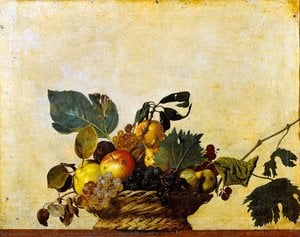
Fruit

Johann Wilhelm Preyer (1803-1889): Discover exquisite 19th-century German still life paintings of flowers & fruit. A key Düsseldorf School artist known for meticulous detail.

Ręcznie malowana reprodukcja olejowa

Ręcznie malowany obraz olejny na płótnie, wykonany na zamówienie przez naszych artystów w wybranym przez Ciebie wymiarze i oprawie. ( Przełącz na wersję drukowaną Przełącz na wersję cyfrową)

Standardowy
na zamówienie
CM
INCH

Wybierz spośród naszych standardowych rozmiarów, które zachowują oryginalne proporcje dzieła sztuki.

szerokość
wysokość

Możesz wprowadzić własne wymiary, aby dopasować obraz do konkretnej ramy lub przestrzeni. Jeśli wybrany rozmiar nie będzie odpowiadał proporcjom oryginału, przytniecie dzieło sztuki lub rozszerzymy je o dodatkowe elementy, ręcznie domalowane przez artystę. Przed rozpoczęciem produkcji wyślemy projekt cyfrowy do Twojej akceptacji.
Należy pamiętać, że podgląd na ekranie nie odzwierciedla rzeczywistego przycinania ani rozszerzania obrazu. Tylko projekt dokładnie pokaże ostateczną kompozycję.
Choć oferujemy możliwość zamówienia niestandardowych rozmiarów, zalecamy wybór wymiaru z gotowej listy, aby zachować oryginalne proporcje dzieła.

Przykłady możliwych zmian: Zamień twarz na zdjęcie klienta; Dodaj zwierzę domowe (np. zamień kota na psa); Ukryj wiadomość w tle; Zmień krajobraz lub elementy tła.
Po złożeniu zamówienia zespół WahooArt.com skontaktuje się z klientem drogą mailową w celu uzyskania instrukcji i prześle wizualizację projektu

Dostawa na całym świecie () w ciągu 3–4 tygodni zamiast standardowych 5 tygodni. (17 Wrzesień). Bez kompromisów w kwestii jakości.

why_choose_icon
Bezpłatna ekspresowa wysyłka na cały świat
why_choose_icon
Wysokiej jakości płótno lniane
why_choose_icon
Pełne ubezpieczenie transportowe
why_choose_icon
Gwarancja zwrotu należności celnych i podatków importowych
why_choose_icon
Gwarancja idealnego odwzorowania barw
why_choose_icon
100-dniowy okres na zwrot dzieła w przypadku wykrycia wad produkcyjnych
why_choose_icon
Gwarancja 100% zwrotu pieniędzy
why_choose_icon
Oferta przy zakupie wielu sztuk

Cena całkowita

$ 272

reproduction

Fruit

Technika wykonania

Rozmiar reprodukcji

-

Suma do zapłaty

$ 272


Biografia artysty

Johann Wilhelm Preyer: Life and Legacy

Early Life and Education

  • Born in Düsseldorf, Germany, in 1803, Johann Wilhelm Preyer emerged from a family with artistic inclinations. His father was a merchant, and his brother, Gustav, also pursued a career as a painter.
  • Growing up in the old town of Eschweiler, Preyer displayed an early aptitude for art. A playful anecdote recounts how he and his brother, both small in stature, would occasionally disguise themselves as children to play pranks.
  • Formal training began at the Düsseldorf Art Academy in 1822, where he studied under Peter von Cornelius. He later became a master student of Wilhelm von Schadow, solidifying his foundation in classical artistic principles.

Artistic Development and Influences

  • Preyer’s education extended beyond Düsseldorf; he embarked on extensive travels throughout Europe between 1835 and 1843. These journeys took him to the Netherlands, Munich, Northern Italy, and Switzerland, exposing him to diverse artistic styles and traditions.
  • Influences from Dutch still life masters are evident in his meticulous attention to detail and realistic depiction of textures. The Düsseldorf School’s emphasis on precise observation also shaped his approach.
  • Upon returning to Düsseldorf in 1844, Preyer dedicated himself primarily to still life painting, establishing a reputation for exceptional skill within the genre.

Major Works and Artistic Style

  • Specialization: Preyer became renowned for his exquisitely detailed paintings of flowers and fruit. His works are characterized by their vibrant colors, realistic textures, and careful compositions.
  • Notable examples include “Fruit and a Goblet,” “Fruit Still Life with Sculpted Ceramic Bowl,” and numerous depictions of grapes and floral arrangements.
  • His style is often associated with the Biedermeier period, reflecting a focus on domesticity, simplicity, and meticulous craftsmanship.

Achievements and Recognition

  • Preyer quickly gained recognition as one of the leading still life painters of his time. His works were highly sought after by collectors, with a significant portion eventually finding their way into American collections.
  • Founding Member: He was among the founding members of the Association of Düsseldorf Artists in 1844, demonstrating his commitment to fostering artistic community and collaboration.
  • Preyer also took on private students, including Helen Searle, an American still life painter who further disseminated his techniques and influence.

Personal Life and Legacy

  • Around 1844, Preyer married Emilie Lachenwitz, the sister of painter Siegmund Lachenwitz. They had two children, Emilie and Paul, both of whom also became painters, continuing the family’s artistic legacy.
  • Historical Significance: Johann Wilhelm Preyer is considered one of the earliest masters of the Düsseldorf School of Painting and a pivotal figure in 19th-century German still life art.
  • In recognition of his contributions, a road in Eschweiler, where he grew up, was renamed Preyerstrasse in 1974.
Johann Wilhelm Preyer

Johann Wilhelm Preyer

1803 - 1889 , Germany

Najważniejsze informacje

  • Birth Date: 1803
  • Birth Place: Düsseldorf, Germany
  • Death Date: 1889
  • Influenced By:
    • Peter von Cornelius
    • Wilhelm von Schadow
  • Movement: Düsseldorf School of Painting
  • Name: Johann Wilhelm Preyer
  • Nationality: German
  • Notable Works:
    • Fruit and a Goblet
    • Fruit Still life
    • Flowers in a Jug