
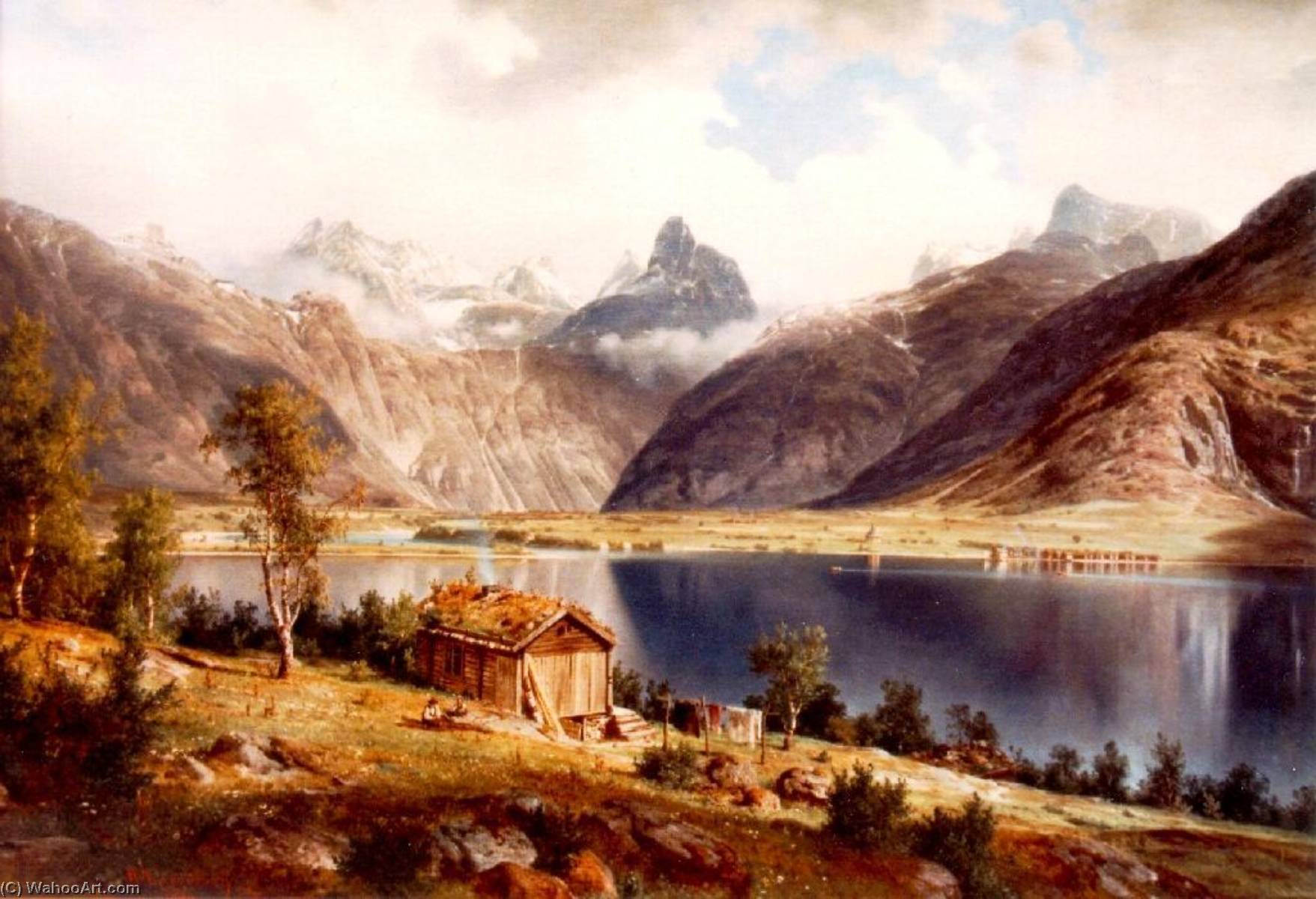
Romsdalshorn (1865) autorstwa Johan Fredrik Eckersberg, ręcznie malowana reprodukcja olejowa wykonana przez mistrza
Podgląd w skali 1:1 Podgląd AR Przełącz na wydania drukowane Przejdź do wersji cyfrowej Wyślij jako kartkę
Szczegóły dzieła Przewodnik Dodaj do ulubionych Pobierz obraz Podobne obiekty RTG Pokaz slajdów Pytania i odpowiedzi Pobierz prezentację Statystyki

Romsdalshorn Ręcznie malowana reprodukcja obrazu olejnego

Explore the works of Johan Fredrik Eckersberg, a Norwegian Romantic landscape painter known for his vibrant fjord scenes & national costumes. Discover his art today!

Dzieło sztuki prezentowane na tej stronie podlega ochronie prawem autorskim, co oznacza, że nie mamy prawa do tworzenia ani sprzedaży jego identycznej reprodukcji. Ochrona ta jest egzekwowana na mocy umów międzynarodowych, takich jak Konwencja berneńska oraz przez przepisy prawa krajowego, w tym te określone w Prawo autorskie USA – Tytuł 17.

Jako pełną szacunku i legalną alternatywę oferujemy personalizowane, malowane ręcznie dzieła sztuki inspirowane oryginałem. Nasi wykwalifikowani i profesjonalni artyści starannie analizują styl, nastrój oraz artystyczną esencję pierwowzoru, aby stworzyć nowe, unikalne dzieło, które przywołuje te same emocje – pozostając jednocześnie w pełni oryginalną kreacją.

Metoda ta jest w pełni zgodna z przepisami prawa autorskiego, ponieważ nie polega na kopiowaniu ani powielaniu chronionego dzieła. Stanowi ona kreatywną reinterpretację – nowy obraz, który czerpie inspirację z oryginału, ale nie jest z nim tożsamy.

Ręcznie malowana reprodukcja olejowa

Ręcznie malowany obraz olejny na płótnie, wykonany na zamówienie przez naszych artystów w wybranym przez Ciebie wymiarze i oprawie. ( Przełącz na wydania drukowane Przejdź do wersji cyfrowej)

Standardowy format
personalizowane
CM
INCH

Wybierz spośród naszych standardowych rozmiarów, które zachowują oryginalne proporcje dzieła sztuki.

szerokość
wysokość

Wpisz wymaganą szerokość i wysokość, aby obraz pasował do Twojej ramy lub ściany. Ponieważ jest to dzieło malowane ręcznie, w przypadku rozmiaru o innych proporcjach artysta może domalować nieco więcej wokół obrazu lub przyciąć jego fragmenty — wybór należy do Ciebie. Przed rozpoczęciem pracy prześlemy Ci cyfrową wizualizację do zatwierdzenia. Obraz widoczny na tej stronie nie przedstawia rzeczywistego efektu — jedynie wizualizacja oddaje realny rezultat.

Przykłady możliwych zmian: Zamień twarz na zdjęcie klienta; Dodaj zwierzę domowe (np. zamień kota na psa); Ukryj wiadomość w tle; Zmień krajobraz lub elementy tła.
Po złożeniu zamówienia zespół WahooArt.com skontaktuje się z klientem drogą mailową w celu uzyskania instrukcji i prześle wizualizację projektu

Dostawa na całym świecie () w ciągu 3–4 tygodni zamiast standardowych 5 tygodni. (8 Listopad). Bez kompromisów w kwestii jakości.

Bezpłatna ekspresowa wysyłka na cały świat
Wysokiej jakości płótno lniane
Pełne ubezpieczenie przesyłki
Gwarancja zwrotu należności celnych i podatków importowych
Gwarancja wiernego odwzorowania kolorów
100-dniowa polityka zwrotów (tylko w przypadku wad)
Gwarancja 100% zwrotu pieniędzy
Zniżka przy zakupie wielu sztuk

Suma całkowita

zł 1064

Romsdalshorn

Technika reprodukcji

Wymiary reprodukcji

-

Cena całkowita

zł 1064


Biografia artysty

Johan Fredrik Eckersberg: Painter of Norwegian Romanticism

Johan Fredrik Eckersberg (1803 – 1876) stands as a pivotal figure in the history of Norwegian art, embodying the spirit of Romanticism and establishing himself as one of Norway’s foremost landscape painters. Born in Bergen, Eckersberg's artistic journey began with formal training in Düsseldorf under Anton Graff, immersing him in the German Romantic tradition – a movement characterized by an intense fascination for emotion, imagination, and the sublime beauty of nature. This formative experience profoundly shaped his stylistic sensibilities and cemented his dedication to capturing the grandeur of the Norwegian fjord landscape.
  • Early Life & Training:
  • Eckersberg’s upbringing instilled in him a deep appreciation for craftsmanship and artistic rigor. His father, a shipbuilder, fostered an early interest in precision and observation—skills that would prove invaluable as he honed his painting technique. Düsseldorf's academy provided him with access to the latest artistic innovations, exposing him to artists like Caspar David Friedrich and influencing his approach to portraying dramatic landscapes.
  • Return to Norway & National Identity:
  • Upon returning to Bergen in 1830, Eckersberg actively championed Norwegian national identity through his art. He embraced the burgeoning nationalist fervor of the era, depicting iconic Norwegian scenes—particularly fjord vistas adorned with traditional costumes—to celebrate the country’s heritage and foster a sense of collective pride. This commitment extended beyond mere visual representation; he served as professor at Bergen Kunstakademi, nurturing the talents of younger artists and shaping the artistic landscape of Norway.

The Fjord Landscape: Eckersberg's Signature Style

Eckersberg’s artistic legacy rests primarily on his masterful depictions of Norwegian fjords. Unlike earlier Romantic painters who often idealized landscapes, Eckersberg achieved remarkable realism—capturing the subtle nuances of light and atmosphere with unparalleled accuracy. His canvases pulsate with vibrant color palettes—deep blues and greens reflecting the crystalline waters of the fjords—and meticulously rendered details conveying the rugged textures of mountainsides and rocky shores. He skillfully employed atmospheric perspective, creating a sense of depth and grandeur that transported viewers into the heart of Norwegian wilderness.
  • Technique & Composition:
  • Eckersberg’s technique involved painstaking layering of glazes—thin translucent washes of paint—to build up tonal gradations and achieve luminous effects. He meticulously studied geological formations and utilized scientific observation to inform his artistic renderings, demonstrating a commitment to both aesthetic beauty and intellectual rigor. His compositions often featured dramatic viewpoints, emphasizing the immensity of the landscape and conveying a feeling of awe.
  • Notable Paintings:
  • Among Eckersberg’s most celebrated works are “Devotions at Porta Santa,” showcasing his ability to convey emotion through architectural grandeur; “Norwegian Nydalen fabrikker malt av Johan Fredrik Eckersberg i 1851”, which powerfully juxtaposes industrial progress with the unspoiled beauty of Norwegian nature; and "Figures in a mountainous river landscape," demonstrating Eckersberg's masterful command of tonal harmony and spatial illusion.

Influences & Legacy

Eckersberg’s artistic vision drew inspiration from German Romanticism, particularly Friedrich’s exploration of sublime landscapes and his preoccupation with spiritual contemplation. However, he also absorbed elements of Dutch Realism—influenced by artists like Rembrandt—resulting in a distinctive blend of stylistic approaches. Eckersberg's unwavering dedication to portraying Norwegian scenery solidified his position as the foremost landscape painter of his time and profoundly impacted subsequent generations of Norwegian artists. His influence extended beyond mere visual style; Eckersberg championed artistic integrity and intellectual curiosity, establishing Bergen Kunstakademi as a beacon of Norwegian art education. Today, Eckersberg’s paintings continue to inspire admiration for their beauty and technical brilliance—serving as enduring symbols of Norwegian Romanticism and testament to the transformative power of art.

Krótka nota

  • Full Name: Johan Fredrik Eckersberg
  • Nationality: Norwegian
  • Place Of Birth: Christiania (Oslo)
  • Notable Artworks:
    • Figures in a mountainous river landscape
    • Devotions at the Porta Santa of St. Peter
    • Norwegian Nydalen fabrikker malt av Johan Fredrik Eckersberg i 1851
  • Artistic Movement Or Style: Romantic Landscape Painting
  • Artists Who Influenced This Artist: ['Caspar David Friedrich']
  • Artists Or Movements Influenced By This Artist: ['Romanticism']


































