Zobacz w skali 1:1 Zobacz w AR Przełącz na wersję drukowaną Kup ręcznie malowany obraz Wyślij
Szczegóły Przewodnik Dodaj do ulubionych Pobierz plik obrazu Podobne obiekty RTG Pokaz slajdów Statystyki

Interior

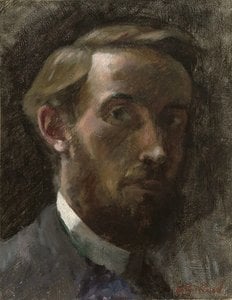
Jean-Édouard Vuillard’s “Interior” exemplifies the Nabi movement’s innovative use of color and form, depicting a serene domestic scene with muted tones and subtle textures. Created around 1900, this painting showcases Vuillard's mastery in capturing intimate moments within a home setting and is prominently displayed at the Detroit Institute of Arts.

Jean-Édouard Vuillard (1868-1940) – francuski malarz, członek Nabis, znany z intymnych wnętrz, dekoracyjnej stylizacji i wpływu na sztukę nowoczesną. Odkryj jego dzieła!

Kup wysokiej rozdzielczości, ulepszony obraz cyfrowy o jakości znacznie przewyższającej podgląd online.

Każdy plik jest starannie przygotowywany przez naszych specjalistów przy użyciu zaawansowanych narzędzi oraz profesjonalnej, ręcznej retuszy. Dbamy o to, aby każdy obraz cechował się wyjątkową ostrością, precyzyjnym odwzorowaniem kolorów i subtelnymi detalami.

Ostateczny plik dostarczany jest drogą mailową w ciągu 72 godzin, zoptymalizowany do natychmiastowego wykorzystania w profesjonalnych zastosowaniach redakcyjnych i poligraficznych. To ta sama jakość, której ufają czołowe studia projektowe, wydawnictwa oraz galerie sztuki.

Obraz cyfrowy

Pobierz plik o wysokiej rozdzielczości do osobistego użytku, druku oraz projektów kreatywnych. ( Przełącz na wersję drukowaną Kup ręcznie malowany obraz)

Cena całkowita

$ 24,90

W każdym zamówieniu na obraz cyfrowy znajduje się

Profesjonalna dostawa cyfrowa z gwarancją

Wybierając WahooArt.com, nie otrzymujesz jedynie obrazu – otrzymujesz profesjonalnie udoskonalone cyfrowe dzieło sztuki, stworzone z najwyższą precyzją i objęte gwarancją satysfakcji. Oto wszystko, co automatycznie dołączane jest do Twojego zamówienia:

shipping_icon
Błyskawiczna dostawa e-mailowa

Plik z obrazem cyfrowym w wysokiej rozdzielczości zostanie przesłany na Twój adres e-mail w ciągu 72 godzin od złożenia zamówienia – gotowy do natychmiastowego użycia.

canvas_icon
Plik cyfrowy ulepszony przez AI

Twoja grafika została profesjonalnie zoptymalizowana przy użyciu zaawansowanych narzędzi AI oraz ręcznej edycji, co zapewnia maksymalną szczegółowość, klarowność i wierność kolorów.

insurance_icon
Bezpłatna dożywotnia ponowna dostawa

Przypadkowo usunąłeś lub zgubiłeś swój plik? Bez obaw – prześlemy go Tobie ponownie w dowolnym momencie, bez żadnych opłat.

tax_icon
Bez opłat importowych – zawsze

Ciesz się swoją sztuką natychmiast, bez żadnych opłat celnych, należności ani kosztów dostawy – pliki cyfrowe są zawsze wolne od podatku.

color_icon
Gwarancja odwzorowania kolorów

Dzięki zastosowaniu profesjonalnych narzędzi i procesów zarządzania barwą zapewniamy, że Twoje cyfrowe zdjęcie odzwierciedla oryginalne kolory tak wiernie, jak to tylko możliwe.

return_icon
100 dni na satysfakcję

Jeśli nie będziesz zadowolony ze swojego cyfrowego obrazu, poprawimy go lub zwrócimy 100% kosztów w ciągu 100 dni – bez zbędnych pytań.

guarantee_icon
100% Gwarancja zwrotu pieniędzy

Nie jesteś zadowolony? Otrzymaj pełny zwrot kosztów w ciągu 100 dni od otrzymania pliku cyfrowego – bez zbędnych pytań.

discount_icon
Rabaty przy zamówieniach hurtowych

Kup 3 obrazy, oszczędź 10% - Kup 5, oszczędź 15% - Kup 10+, oszczędź 20%. Idealne do projektów kreatywnych, galerii i agencji.

Kluczowe informacje

  • Artistic style: Impressionism
  • Title: Interior
  • Year: 1900–1905
  • Influences: Japanese prints
  • Artist: Jean-Édouard Vuillard
  • Movement: Les Nabis
  • Notable elements or techniques: Flattened planes of color, pattern

Quiz wiedzy o sztuce

Do każdego pytania dotyczy tylko jedna poprawna odpowiedź.

Pytanie 1:
What artistic movement is Jean-Édouard Vuillard associated with?
Pytanie 2:
The painting depicts a scene featuring what prominent element?
Pytanie 3:
Where is the artwork currently displayed?
Pytanie 4:
What technique did Vuillard employ to create the painting’s distinctive visual style?
Pytanie 5:
Which artist influenced Vuillard's approach to painting, particularly his use of color and form?

Jean-Édouard Vuillard: Capturing Quietude in “Interior”

The painting "Interior," executed by Jean-Édouard Vuillard around 1900-1905, stands as a quintessential example of Nabis art—a movement that sought to revolutionize artistic expression through radical simplification and the exploration of color’s emotive power. More than just a depiction of domestic space, it embodies Vuillard's profound fascination with capturing fleeting moments of stillness and intimacy within the everyday world. Located at the Detroit Institute of Arts, this artwork invites viewers into a carefully constructed tableau that speaks volumes about artistic innovation and perceptual experience.

A Synthesis of Impressionism and Japanese Influence

Vuillard’s approach to painting was deeply rooted in Impressionist principles—particularly the emphasis on capturing light and atmosphere—yet he decisively moved beyond its limitations. Influenced by the pioneering work of Paul Gauguin, Vuillard embraced a bold departure from academic conventions. However, his artistic vision gained significant impetus from Japanese prints (ukiyo-e), which had begun to circulate in Europe during this period. Like Serusier’s “The Talisman,” Vuillard utilized flattened planes of color—a technique borrowed directly from Japanese aesthetics—to create an illusion of depth and spatial ambiguity. This deliberate simplification wasn't merely stylistic; it represented a fundamental rethinking of how artists could represent reality, prioritizing feeling over precise observation.

Composition and Color Palette: Orchestrating Emotion

The composition itself is deceptively simple. Two chairs dominate the scene, one occupied by a figure whose presence is subtly suggested rather than overtly portrayed—a characteristic Vuillard technique that encourages contemplation and invites viewers to fill in the gaps of perception. A window frames a glimpse of foliage outside, bathed in soft light, contributing to the overall sense of tranquility. Yet, it’s the color palette that truly distinguishes “Interior.” Vuillard employed hues of pink, peach, and pale yellow—colors chosen not for their literal representation but for their ability to evoke emotion. These shades coalesce into a harmonious blend that conveys warmth, comfort, and perhaps even melancholy—a testament to Vuillard's masterful control over chromatic orchestration.

Symbolism Within Everyday Reality

Beyond its formal qualities, “Interior” resonates with symbolic significance. The empty chair serves as a poignant reminder of absence and solitude, while the window represents connection to nature—a recurring motif in Vuillard’s oeuvre. The bird perched on the windowsill symbolizes freedom and aspiration, subtly elevating the scene beyond mere visual description. These elements intertwine to create a narrative that transcends the surface appearance of the room, prompting viewers to consider themes of contemplation, memory, and the beauty inherent in ordinary life.

Legacy and Influence

Vuillard’s innovative approach to color and form profoundly impacted subsequent artistic movements—most notably Cubism and Fauvism—establishing him as a pivotal figure in the transition from Impressionism to abstraction. His unwavering commitment to capturing subjective experience continues to inspire artists today, demonstrating the enduring power of art to convey emotion and illuminate the complexities of human perception. “Interior” remains an unforgettable masterpiece, embodying Vuillard’s artistic genius and securing his place among the most celebrated painters of the Belle Époque.

Biografia artysty

**early life and artistic beginnings**

Jean-Édouard Vuillard, a luminary of French art, was born on November 11, 1868, in the quaint village of Cuiseaux, nestled within the Bourgogne-Franche-Comté region of France. His early years were marked by a quiet domesticity—a life deeply intertwined with his mother’s profession as a seamstress and dressmaker. This intimate connection to textiles and domestic interiors would profoundly shape his artistic vision later in life. His father, an officer in the French army, had tragically passed away before Jean-Édouard's birth, leaving his mother to raise him alone. This formative experience instilled within him a sensitivity to the textures of everyday life and a profound appreciation for the beauty found in the commonplace. In 1878, the family relocated to Paris, immersing young Jean-Édouard into the vibrant heart of French culture. This move proved pivotal, exposing him to the burgeoning artistic scene and setting the stage for his future endeavors. He enrolled at Lycée Condorcet, where he encountered a kindred spirit in Kéra Xavier Roussel, a fellow student who would later become a prominent figure in the art world. It was through Roussel’s guidance that Vuillard discovered his passion for painting, abandoning his initial aspirations of joining the military and dedicating himself to artistic pursuits. His studies at the École des Beaux-Arts followed, providing him with formal training while simultaneously fostering an independent spirit—a characteristic that would define much of his career.

**the nabis movement and its influence**

Vuillard’s artistic trajectory took a significant turn in 1888 when he joined the ranks of Les Nabis, a collective of young artists who sought to break free from the constraints of traditional academic art. This group, comprised of figures like Maurice Denis, Pierre Bonnard, and Félix Vallotton, embraced a radical approach to painting—one that prioritized color, emotion, and symbolism over strict representation. Inspired by the Japanese woodblock prints that were gaining popularity in Europe, the Nabis experimented with flattened planes of color, simplified forms, and an emphasis on decorative patterns. Vuillard’s work became inextricably linked with this movement, characterized by a distinctive use of muted tones, subtle gradations of color, and a remarkable ability to capture the essence of his subjects—often domestic interiors and portraits of women. The Nabis philosophy, rooted in the positivist theories of Auguste Comte and Hippolyte Taine, encouraged artists to find beauty and meaning in everyday life, translating their observations into evocative works of art. Their shared belief in the power of symbolism and the importance of subjective experience profoundly influenced Vuillard’s artistic practice.

**vuillard's later work and legacy**

Following the dissolution of Les Nabis in 1900, Vuillard continued to paint with remarkable consistency and innovation. While retaining his signature style—characterized by delicate color palettes and intimate compositions—he gradually shifted towards a more realistic approach, meticulously rendering landscapes and interiors with increased detail and vividness. In the 1920s and 30s, he produced a series of portraits capturing prominent figures in French industry and the arts, often depicting them within their familiar surroundings. These works offer a glimpse into the lives of influential individuals—a testament to Vuillard’s keen eye for character and his ability to convey subtle nuances of personality. Notably, Vuillard's later career was marked by significant commissions from wealthy patrons, including the Natanson brothers and members of Parisian society. He designed theater sets, created decorative panels for private residences, and produced exquisite stained glass—demonstrating his versatility as a visual artist. His final major commission, undertaken in 1937 alongside Pierre Bonnard, involved decorating the Palais de Chaillot in Paris, a project that solidified his reputation as one of France’s most celebrated artists. Jean-Édouard Vuillard passed away on June 21, 1940, leaving behind a legacy of understated elegance and profound artistic insight.

**key works and exhibitions**

Vuillard's paintings are held in prestigious museums worldwide, offering viewers an opportunity to immerse themselves in his unique artistic vision. The Musée de la Révolution Française in Paris boasts a particularly rich collection of Vuillard’s work, including “La Patrie en Danger” (1892), a poignant depiction of a young man condemned to death during the French Revolution—a subject that reflects Vuillard's interest in social commentary and historical narratives. Other notable works include "Jean de la Barre" (1893), a portrait of a young woman accused of heresy, and numerous interior scenes capturing the quiet beauty of domestic life. His later portraits, such as those depicting French industrialists and artists within their familiar settings, are also significant contributions to his oeuvre. Vuillard’s art has been featured in numerous exhibitions throughout France and internationally, solidifying his place as a pivotal figure in modern art history.

**conclusion**

Jean-Édouard Vuillard remains an enigmatic yet profoundly influential artist—a master of understatement and subtle observation. His distinctive style, characterized by delicate color palettes, intimate compositions, and a profound sensitivity to the textures of everyday life, continues to captivate audiences today. As a pioneer of modernism, Vuillard’s work paved the way for subsequent generations of artists—influencing movements such as Cubism and Fauvism. His legacy endures not only through his remarkable paintings but also through their ability to evoke a sense of quiet contemplation and profound beauty. Explore the world of Jean-Édouard Vuillard further on WahooArt, discovering the depth and richness of his artistic vision.

Jean-Édouard Vuillard

Jean-Édouard Vuillard

1868 - 1940 , Francja

Najważniejsze informacje

  • Artistic Movement Or Style: Nabis
  • Artists Or Movements Influenced By This Artist:
    • Cubizm
    • Fauvizm
  • Artists Who Influenced This Artist: ['Paul Gauguin']
  • Date Of Birth: 11 listopada 1868
  • Date Of Death: 21 czerwca 1940
  • Full Name: Jean-Édouard Vuillard
  • Nationality: Francuz
  • Notable Artworks:
    • Matka
    • Sunlit Interior
  • Place Of Birth: Cuiseaux, Francja