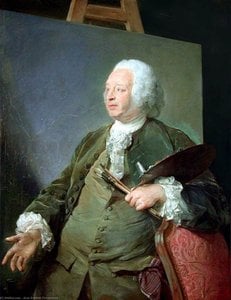
Oil On CanvasWallArtRococo
 1733
1733 57.0 x 46.0 cm
 Muzeum Wallace’a
Kup wysokiej rozdzielczości, ulepszony obraz cyfrowy o znacznie wyższej jakości niż podgląd online.
Każdy plik jest starannie przygotowywany przez naszych specjalistów przy użyciu zaawansowanych narzędzi oraz profesjonalnej, ręcznej retuszy. Dbamy o to, aby każdy obraz cechował się wyjątkową ostrością, precyzyjnym odwzorowaniem kolorów i subtelnymi detalami.
Ostateczny plik dostarczany jest drogą mailową w ciągu 72 godzin, zoptymalizowany do natychmiastowego wykorzystania w profesjonalnych zastosowaniach redakcyjnych i poligraficznych. To ta sama jakość, której ufają czołowe studia projektowe, wydawnictwa oraz galerie sztuki.
Pobierz plik o wysokiej rozdzielczości do osobistego wyświetlania, druku oraz projektów kreatywnych. ( Zamów wydruk Zamów ręcznie malowaną reprodukcję)
Wybierając WahooArt.com, nie otrzymujesz jedynie obrazu – otrzymujesz profesjonalnie udoskonalone cyfrowe dzieło sztuki, stworzone z najwyższą precyzją i objęte gwarancją satysfakcji. Oto wszystko, co automatycznie dołączane jest do Twojego zamówienia:

Plik z obrazem cyfrowym w wysokiej rozdzielczości zostanie przesłany na Twój adres e-mail w ciągu 72 godzin od złożenia zamówienia – gotowy do natychmiastowego użycia.

Twoja grafika została profesjonalnie zoptymalizowana przy użyciu zaawansowanych narzędzi AI oraz ręcznej edycji, co zapewnia maksymalną szczegółowość, klarowność i wierność kolorów.

Przypadkowo usunąłeś lub zgubiłeś swój plik? Bez obaw – prześlemy go Tobie ponownie w dowolnym momencie, bez żadnych opłat.

Ciesz się swoją sztuką natychmiast, bez żadnych opłat celnych, należności ani kosztów dostawy – pliki cyfrowe są zawsze wolne od podatku.

Dzięki zastosowaniu profesjonalnych narzędzi i procesów zarządzania barwą zapewniamy, że Twoje cyfrowe zdjęcie odzwierciedla oryginalne kolory tak wiernie, jak to tylko możliwe.

Jeśli nie będziesz zadowolony ze swojego cyfrowego obrazu, poprawimy go lub zwrócimy 100% kosztów w ciągu 100 dni – bez zbędnych pytań.

Nie jesteś zadowolony? Otrzymaj pełny zwrot kosztów w ciągu 100 dni od otrzymania pliku cyfrowego – bez zbędnych pytań.

Kup 3 obrazy, oszczędź 10% - Kup 5, oszczędź 15% - Kup 10+, oszczędź 20%. Idealne do projektów kreatywnych, galerii i agencji.
Jean-Baptiste Pater's "The Dance," painted in 1733, is more than just a charming depiction of an outdoor gathering; it’s a meticulously crafted window into the heart of 18th-century French Rococo society. This exquisite oil painting, currently housed at the National Gallery in London, captures a fleeting moment of leisurely indulgence – a scene brimming with flirtation, conversation, and the subtle pleasures of aristocratic life. Pater, considered the sole student of Antoine Watteau, masterfully emulates his teacher’s signature style, creating an image that is both instantly recognizable and deeply evocative.
The composition itself immediately draws the eye into a dynamic tableau. A group of elegantly dressed figures – gentlemen in powdered wigs and ladies adorned with elaborate gowns – are engaged in animated conversation amidst a lush, wooded backdrop. The central focus rests on two individuals locked in an intimate exchange, their gestures suggesting a playful flirtation that permeates the entire scene. Pater skillfully employs asymmetry to create visual interest, preventing the composition from feeling static or overly formal. Notice how the figures are arranged not around a single point of action, but rather scattered across the canvas, inviting the viewer to become part of the unfolding drama.
Pater’s technical prowess is evident in every brushstroke. The painting is dominated by a delicate palette of pastel hues – soft pinks, blues, greens, and creams – characteristic of the Rococo style. These muted tones contribute to an atmosphere of refined elegance and understated luxury. Pater's masterful use of layering oil paints creates a remarkable sense of depth and luminosity. He builds up textures with meticulous detail, particularly in the rendering of fabrics, capturing their shimmering quality with astonishing accuracy. The brushwork itself is remarkably light and airy, contributing to the overall feeling of gracefulness and movement.
The artist’s technique also reveals a subtle departure from Watteau's style. While Pater undoubtedly draws inspiration from his mentor, he introduces a more defined sense of line – particularly in the shimmering outlines that define the figures’ clothing and the foliage. This adds a touch of dynamism to the scene, preventing it from feeling overly ethereal or dreamlike. The use of *sfumato*, a technique involving subtle gradations of tone, further softens the edges and creates an atmospheric haze that enhances the sense of depth.
Beyond its aesthetic beauty, “The Dance” is rich in symbolic meaning. The abundance of fruit depicted on the tree – peaches, grapes, and plums – is a potent symbol of fertility, prosperity, and good fortune, frequently associated with the Rococo era. These symbols subtly reinforce the theme of pleasure and indulgence that permeates the painting. Furthermore, the clothing worn by the figures reflects their social status and wealth; the elaborate gowns and powdered wigs are unmistakable markers of aristocratic privilege. The setting itself – a secluded woodland retreat – suggests an escape from the constraints of courtly life, offering a space for private conversation and romantic encounters.
Ultimately, “The Dance” is a captivating portrayal of a specific moment in 18th-century French society. Pater doesn’t simply depict a gathering; he captures the *feeling* of leisurely amusement, lightheartedness, and sophisticated enjoyment of life. The painting evokes a sense of nostalgia for a bygone era, inviting us to step back in time and witness a scene of refined indulgence. It's a testament to Pater’s skill as an artist and his ability to translate the spirit of the Rococo into a visually stunning and emotionally resonant work of art. Reproductions of this piece offer a beautiful addition to any collection or interior space, bringing a touch of timeless elegance and subtle charm.


1695 - 1736 , Francja

 Podgląd w skali
 Wyślij jako kartkę
 Udostępnij
 Szczegóły dzieła

 Pobierz
 Podobne obiekty
 RTG
RTG Pokaz slajdów
 Rozwiń treść