Sprzedawaj swoje dzieła
x
Podgląd w skaliPodgląd w skali Podgląd ARPodgląd AR Zamów ręcznie malowaną reprodukcję Zamów ręcznie malowaną reprodukcjęKup obraz wysokiej rozdzielczości Kup obraz wysokiej rozdzielczości Wyślij jako kartkęWyślij jako kartkę
Szczegóły dziełaSzczegóły dzieła Dodaj do ulubionych Dodaj do ulubionych PobierzPobierz Podobne obiektyPodobne obiekty RTGRTG Pokaz slajdówPokaz slajdów

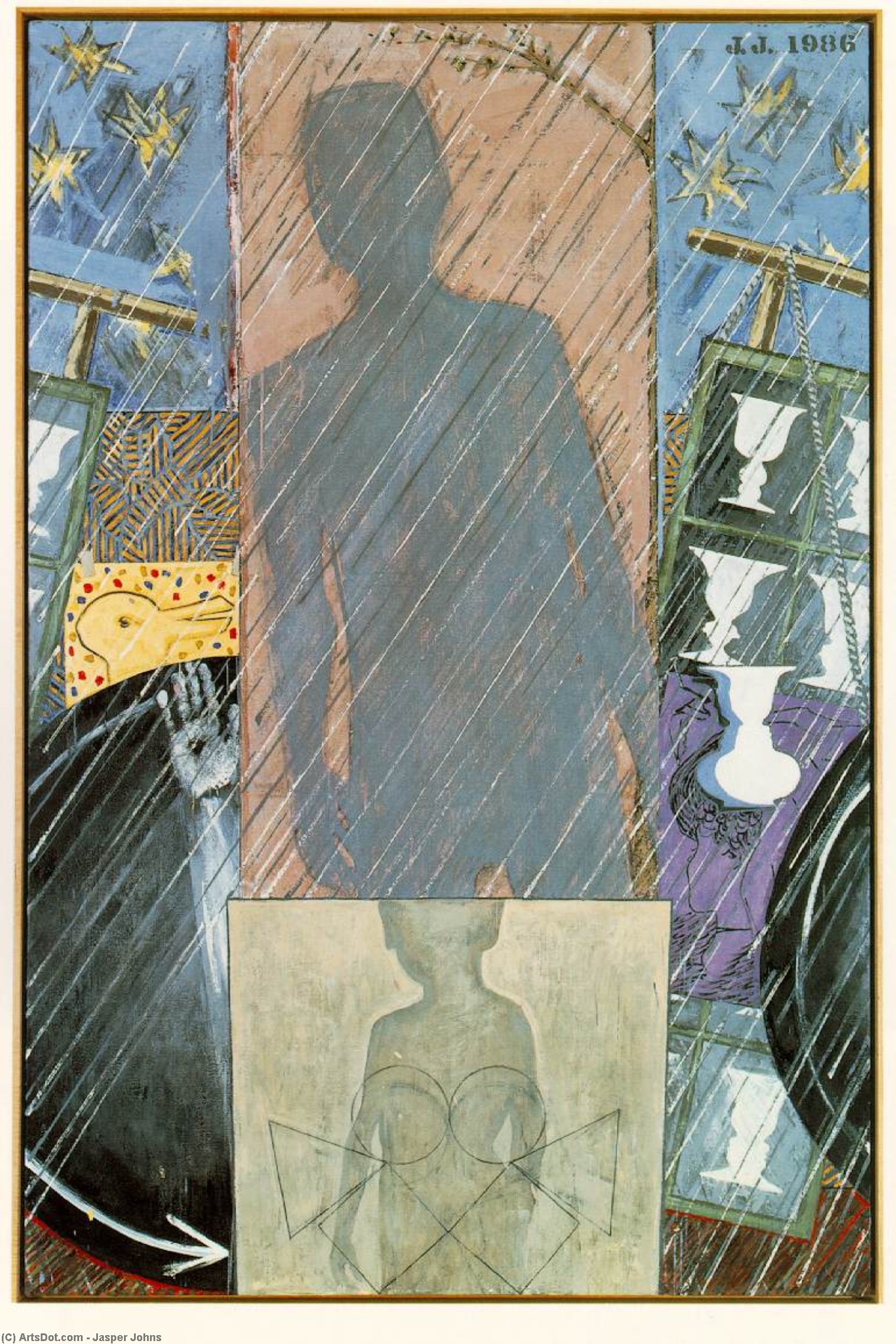
Spring

Jasper Johns (b. 1930), a pioneer of Pop & Abstract Expressionism! Explore iconic works like 'Flag,' maps, & targets – redefining modern art.

Jasper Johns (1930) – pionier pop-artu i abstrakcjonizmu! Odkryj ikoniczne dzieła, takie jak 'Flaga', mapy i tarcze – redefinicję sztuki współczesnej.

Giclée / Wydruk artystyczny

Druk giclée lub płótno o jakości muzealnej, szybka realizacja i szeroki wybór opcji wykończenia. (Zamów ręcznie malowaną reprodukcję Zamów ręcznie malowaną reprodukcjęKup obraz wysokiej rozdzielczości Kup obraz wysokiej rozdzielczości)

P118B $10
P118H $10
P118W $10
P438Z $10
P508JH $12
P508YH $12
P805H $10
P805Z $10
P919BZ $10
P919G $10
P919XJ $10
P959ZH $10
P968JZ $12
W106C $8
W218G $10
W218JH $8
W218Y $10
W307PJ $10
W316G $10
W316PJ $8
W316Y $10
W398PJ $8
W4111J $10
W500HY $15
W500JH $15
W692G $12
W849H $8
W940BG $15
W953PJ $8

Standard
custom
CM
INCH

Wybierz spośród naszych standardowych rozmiarów, które zachowują oryginalne proporcje dzieła sztuki.

szerokość
wysokość

Możesz wprowadzić własne wymiary, aby dopasować dzieło do konkretnej ramy lub przestrzeni. Jeśli wybrany rozmiar nie będzie odpowiadał proporcjom oryginalnego obrazu, przytniecie dzieło lub rozszerzymy obraz za pomocą odbicia lustrzanego lub jednolitego wypełnienia krawędzi. Przed rozpoczęciem produkcji prześlemy cyfrową wizualizację do Twojej akceptacji.
Prosimy pamiętać, że podgląd na ekranie nie odzwierciedla faktycznego przycinania ani rozszerzania. Tylko wizualizacja dokładnie pokaże końcową kompozycję.
Mimo dostępności niestandardowych rozmiarów, zalecamy wybór wymiaru z listy zdefiniowanej, aby zachować oryginalne proporcje.

Dostawa na cały świat () w ciągu 2 tygodni zamiast standardowych 4/5 tygodni. (20 Sierpień)

why_choose_icon
Bezpłatna ekspresowa wysyłka na cały świat
why_choose_icon
Wysokiej jakości płótno lniane
why_choose_icon
Pełne ubezpieczenie przesyłki
why_choose_icon
Gwarancja zwrotu należności celnych i podatków importowych
why_choose_icon
Gwarancja wiernego odwzorowania kolorów
why_choose_icon
Polityka 60-dniowego zwrotu (tylko w przypadku wad)
why_choose_icon
Gwarancja 100% zwrotu kosztów
why_choose_icon
Zniżka przy zamówieniu wielu produktów

Suma całkowita

$ 68

reproduction

Spring

Giclée / Wydruk artystyczny

Wymiary reprodukcji

-

Cena całkowita

$ 68

Szybki podgląd

  • Medium: Painting
  • Artist: Jasper Johns
  • Movement: Pop Art
  • Influences: Abstract Expressionism
  • Title: Spring
  • Notable elements or techniques: Targets, Maps

Quiz o sztuce

Do każdego pytania dotyczy tylko jedna poprawna odpowiedź.

Pytanie 1:
What artistic movement is Jasper Johns primarily associated with?
Pytanie 2:
The painting depicts a man standing in the rain. What is notable about his posture?
Pytanie 3:
Besides the man in the rain, what other objects are present in the scene?
Pytanie 4:
What is the significance of the clock on the left side of the painting?
Pytanie 5:
How would you describe the overall mood conveyed by this artwork?

Opis kolekcjonerski

A Poetic Encounter with Solitude

In this evocative painting, we find ourselves immersed in a moment of profound atmospheric stillness. The composition centers on a solitary figure, a man seen from behind, standing amidst the gentle descent of rain. Clad in the formal attire of a suit and tie, his posture suggests a quiet introspection, as if he is momentarily suspended between the world around him and his own internal reflections. This sense of isolation is heightened by the soft, painterly rendering of the elements, where the texture of the falling rain blurs the boundaries between the subject and his environment. The presence of other figures in the background, though less distinct, creates a subtle tension—a reminder of the bustling social world that continues to move, even as our protagonist finds himself anchored in a private, melancholic sanctuary.

The scene is further enriched by a curious collection of objects that punctuate the landscape like fragments of a dream. A clock rests on the left, its presence hinting at the relentless passage of time, while a vase and scattered bowls introduce a domestic, almost still-life quality to the outdoor setting. These elements—the cup tucked into the corner, the rhythmic placement of vessels—transform a simple rainy day into a complex narrative about the objects we inhabit and the memories they hold. For the discerning collector or interior designer, this piece offers more than mere decoration; it provides a window into a contemplative state of being, making it an ideal centerpiece for spaces dedicated to thought, peace, and quiet elegance.

The Intersection of Symbolism and Atmosphere

Beyond its immediate visual charm, the artwork functions as a sophisticated commentary on visibility and perception. The technique employed here leans into a soft-focus realism, where light and shadow dance across the surfaces of the rain-slicked objects, creating a luminous yet somber mood. By placing familiar, everyday items—a cup, a bowl, a clock—within this atmospheric context, the artist invites us to reconsider the sanctity of the mundane. There is a profound emotional weight in the way the man’s back is turned to the viewer; it creates an invitation to empathize with his unseen experience, drawing the observer into a shared moment of vulnerability and strength.

This painting serves as a masterful bridge between classical storytelling and modern emotional abstraction. It captures the essence of a fleeting moment, freezing the ephemeral nature of rain and solitude into a permanent, tactile experience. For those looking to infuse a room with depth and narrative complexity, this reproduction offers an unparalleled opportunity to engage with art that speaks to the universal human experience of finding oneself within the crowd, yet remaining beautifully, resolutely alone.


O artyście

A Life Painted in Symbols: The World of Jasper Johns

Jasper Johns emerged as a pivotal figure in the landscape of American art, bridging the emotive intensity of Abstract Expressionism with the burgeoning Pop Art movement that would soon redefine artistic boundaries. Born in Augusta, Georgia, in 1930, his early life was marked by a sense of displacement following his parents’ divorce, an experience that perhaps subtly informed his later explorations of identity and belonging within the context of American iconography. His formative years unfolded across various schools before he briefly attended the University of South Carolina, but it wasn't until his move to New York City in 1949 that Johns truly began to forge his artistic path. A period of service during the Korean War further shaped his perspective, exposing him to a world far removed from the burgeoning art scene he was eager to embrace upon his return.

Breaking with Abstraction: The Dawn of a New Visual Language

The post-war American art world was dominated by Abstract Expressionism—a style characterized by spontaneous gesture and deeply personal emotional expression. While initially influenced by this movement, Johns felt compelled to move beyond its purely non-representational approach. He sought a new visual language, one that incorporated recognizable imagery not as illustrations but as vehicles for deeper contemplation. This wasn’t simply about *depicting* the world; it was about questioning how we perceive and interpret symbols within it. Key influences guided his departure: Marcel Duchamp's radical readymades challenged conventional notions of art-making, while the emphasis on materiality in Abstract Expressionism informed Johns’ early techniques. However, it was the everyday objects and potent symbols of American culture—flags, targets, maps, numbers—that truly became central to his artistic vocabulary. He wasn’t interested in escaping representation; he wanted to dissect it, layer it with meaning, and ultimately reveal its inherent ambiguities.

Iconic Images: Flags, Targets, and the Language of Symbols

Johns' breakthrough works arrived in the mid-1950s, instantly establishing him as a force to be reckoned with. His paintings of flags, most notably *Flag* (1954–55), were not patriotic declarations but rather investigations into the very nature of representation. Rendered in a semi-abstract style, using encaustic—pigment mixed with hot wax—and collage techniques, these flags weren’t simply images; they were textured surfaces laden with symbolic weight. The *Flag* series wasn't about celebrating American nationalism, but rather exploring themes of perception, memory, and the relationship between image and reality. The target series, beginning in 1958, further explored this fascination with recognizable forms, questioning perception and meaning through the seemingly straightforward image of a bullseye. *Map* (1961), with its fragmented and layered depictions of the United States, delved into themes of geography, identity, and the complexities of national representation. Works like *False Start* (1959) demonstrated his experimentation with language and visual codes, creating complex compositions that challenged viewers to decipher their underlying meanings. Even *White Flag* (1955), a seemingly simple monochrome canvas, prompted profound questions about absence, surrender, and the very act of seeing.

Influences and Techniques

Johns’ artistic development was shaped by a diverse range of influences. The work of Marcel Duchamp profoundly impacted his thinking about representation, encouraging him to question the traditional boundaries between art and reality. The emphasis on materiality in Abstract Expressionism—particularly the use of texture and surface—provided a foundation for his later techniques. He experimented with various media, including encaustic, collage, lithography, and woodcut, often combining them in innovative ways. His meticulous attention to detail and his willingness to incorporate found objects into his work reflected a deep engagement with the physical world. The influence of Robert Rauschenberg, with whom he collaborated closely during the early 1950s, was also significant, fostering a spirit of experimentation and pushing the boundaries of artistic practice.

Recognition and Enduring Impact

Jasper Johns has received numerous accolades throughout his illustrious career. He was awarded the Golden Lion at the Venice Biennale in 1988, the National Medal of Arts in 1990, and the Presidential Medal of Freedom in 2011 – a testament to his profound impact on American art. His works are held in major museum collections across the globe—the Museum of Modern Art, the Whitney Museum of American Art, the Metropolitan Museum of Art in New York, and Tate Modern in London, to name just a few. Beyond his paintings, Johns’ contributions extend to sculpture and printmaking, demonstrating his versatility and unwavering commitment to artistic innovation. His enduring legacy lies not only in the iconic images he created but also in the profound questions he raised about the nature of representation, symbolism, and the very essence of what it means to be an artist in a rapidly changing world. He remains an active artist, constantly evolving his approach and solidifying his position as one of the most important figures in 20th and 21st-century art.
Jasper Johns

Jasper Johns

1930 - , Stany Zjednoczone

Krótka nota

  • Artistic Movement Or Style: Pop Art, Abstrakcjonizm
  • Artists Or Movements Influenced By This Artist:
    • Andy Warhol
    • Roy Lichtenstein
  • Artists Who Influenced This Artist: ['Marcel Duchamp']
  • Date Of Birth: 15 maja 1930
  • Full Name: Jasper Johns
  • Nationality: Amerykański
  • Notable Artworks:
    • Flag
    • Target
    • Mapa
  • Place Of Birth: Augusta, USA
Odkryj dzieła sztuki uporządkowane według tematów, stylów i cech charakterystycznych.