Flamandzki mistrz wykuwający nową drogę
Jan Massys, znany również jako Jan Massijs, to postać kluczowa dla rozkwitającego krajobrazu artystycznego XVI-wiecznej Flandrii. Urodzony około 1466 roku w Leuven, w Belgii, jego życie i twórczość stanowią fascynujące przecięcie tradycji z innowacją, religijnej pobożności z błyskotliwą obserwacją społeczną. Choć legendy początkowo kreowały obraz kowala, który stał się artystą – narrację sugerującą skromne pochodzenie napędzane pasją – relacje historyczne ujawniają rodzinę o ustabilizowanych środkach, co wskazuje, że oddanie Massysa malarstwu wynikało z artystycznego powołania, a nie ekonomicznej konieczności. Karel van Mander sugeruje, że to choroba skłoniła go do porzucenia kuźni, co doprowadziło go do zdobienia grafik na potrzeby karnawałowych obchodów, będąc wczesnym ujściem dla jego rozwijającej się kreatywności. Prawdopodobnie zdobył podstawowe wykształcenie w Leuven, zanim około 1491 roku przeniósł się do Antwerpii, gdzie szybko awansował w hierarchii Gildii Świętego Łukasza, ustanawiając siebie jako mistrza malarstwa i kładąc fundamenty pod to, co miało stać się znane jako szkoła antwerpska. Wierzy się, że Joachim Patinir, słynący z sugestywnych pejzaży, studiował pod okiem Massysa, przyczyniając się do nastrojowych teł odnajdywanych w niektórych jego dziełach – co stanowi świadectwo ducha współpracy panującego w warsztacie artysty.
Echa tradycji i budzący się głos
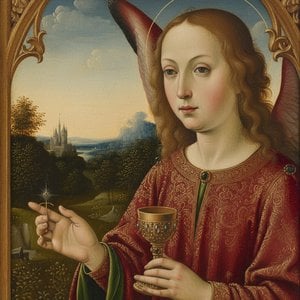
Styl artystyczny Massysa jest głęboko zakorzeniony w tradycji flamandzkiej, świadomie przywołującej drobiazgowość detalu i ekspresyjną siłę mistrzów takich jak Jan van Eyck czy Rogier van der Weyden. Po mistrzowsku łączył wyraźne kontury z subtelnym modelunkiem, osiągając niezwykłą klarowność i głębię w swoich kompozycjach. Jego obrazy charakteryzują się świetlistą bogatością wynikającą z użycia transparentnych pigmentów, co nadaje eteryczny rys zarówno scenom religijnym, jak i świeckim portretom. Jednak Massys nie tylko powielał przeszłość; tchnął w nią wyraźnie osobistą wizję. Posiadał wyjątkową zdolność chwytania szczerych emocji i niezwykle precyzyjnego oddawania rzeczywistości, zwracając szczególną uwagę na tekstury – blask biżuterii, misterne wykończenia szat czy subtelne zdobienia, które wynosiły jego prace ponad zwykłą reprezentację. To skrupulatne podejście rozciągało się również na eksplorację światła i cienia, tworząc stonowane, lecz urzekające efekty, które wciągały widza w samo serce każdej sceny. Nie bał się podejmować złożonych tematów, płynnie łącząc narracje religijne z przenikliwymi obserwacjami ludzkiej natury i dynamiki społecznej.
Satyra, duchowość i trwałe wrażenie
Twórczość Massysa jest niezwykle różnorodna, obejmując zarówno głęboko czczące religijne ołtarze, jak i odważne, satyryczne portrety rzucające wyzwanie konwencjonalnym normom. Do jego najsławniejszych dzieł należy
Brzydka księżna (1513) – dziś już ikoniczny obraz, który wzbudził debatę swoim bezkompromisowym przedstawieniem starzenia się i społecznych standardów piękna;
Portret starszego mężczyzny (1513), kontynuujący tę linię komentarza społecznego, oraz
Zmiana pieniędzy i jego żona (1514), poruszający opis chciwości i awersji w klasie kupieckiej. Te satyryczne dzieła były przełomowe dla swoich czasów, oferując stosunkemu rzadką formę krytyki poprzez portret – co jest świadectwem odwagi i artystycznej wizji Massysa. Poza tymi uderzającymi portretami tworzył liczne ołtarze i tryptyki, w tym znaczące zlecenia dla kościoła św. Piotra w Leuven, demonstrując swoją wszechstronność i umiejętność w realizacji wielkoformatowych dzieł dewocyjnych. Nawet dzieła takie jak
Wenus z Cyteru (1561) ujawniają fascynację tematami klasycznymi i potencjalnie odzwierciedlają świadomość przemian artystycznych zachodzących w Italii.
Dziedzictwo wykute w Antwerpii
Wpływ Jana Massysa wykraczał daleko poza jego własne życie, umacniając jego pozycję jako fundatora cenionej szkoły antwerpskiej u boku syna Quintena Massysa i brata Cornelisa Massysa. Po mistrzowsku syntetyzował wpływy wcześniejszych flamandzkich mistrzów – Dirka Boutsa, Hansa Memlinga, Rogiera van der Weydena i Jana van Eycka – jednocześnie włączając elementy z Włoch oraz innych regionów Niderlandów. Ta fuzja stworzyła unikalną tożsamość artystyczną, która definiowała szkołę antwerpską przez kolejne pokolenia. Jego nacisk na indywidualizację postaci i realistyczne przedstawienie ludzkich emocji rezonował z późniejszymi artystami, inspirując ich do poszukiwania nowych dróg ekspresji. W późniejszych latach życia Massys mierzył się z trudnościami, w tym z wygnaniem z Antwerpii z powodów religijnego przekonania, co zmusiło go do szukania schronienia we Włoszech i Francji, zanim ostatecznie powrócił do domu. Mimo tych wyzwań nadal otrzymywał zlecenia, co dowodzi jego nieprzemijającej reputacji i kunsztu aż do śmierci w 1575 roku. Jego dziedzictwo pozostaje trwałe – jako świadectwo malarza, który nie tylko opanował techniki swoich poprzedników, ale odważył się rzucić wyzwanie konwencjom i zaoferować unikalnie przenikliwą wizję otaczającego go świata.
Odkrywanie świata Jana Massysa dzisiaj
- Warsztat Jana Massysa: Odkryj to urzekające malarstwo z XVI wieku, przedstawiające spotkanie towarzyskie z bogatymi postaciami i nastrojową atmosferą.
- Święta Rodzina: Poznaj ten zachwycający olejny obraz z wczesnego renesansu, podziwiając realistyczne postaci, bogactwo detali, symbolikę i technikę wykonania.
- Quinten Massys: Zagłęb się w twórczość ojca Jana, kluczowej postaci flamandzkiego renesansu, znanego ze swoich dzieł religijnych oraz satyrycznych.



 Podgląd w skali 1:1
 Przełącz na wydania drukowane
 Wyślij jako kartkę
 Udostępnij
 Szczegóły dzieła
 Przewodnik

 Pobierz obraz
 Podobne obiekty
 RTG
RTG Pokaz slajdów
 Statystyki


 Rozwiń treść






































 Opcja ze szkłem jest dostępna wyłącznie w rozmiarach poniżej 110 cm