


 Acrylic On CanvasWallArtGlasgow School
 1916
1916 91.0 x 71.0 cm
 Ashmolean Museum of Art and Archaeology
Ręcznie malowany obraz olejny na płótnie, wykonany na zamówienie przez naszych artystów w wybranym przez Ciebie wymiarze i oprawie. ( Zamów wydruk Kup obraz wysokiej rozdzielczości)





























Wybierz spośród naszych standardowych rozmiarów, które zachowują oryginalne proporcje dzieła sztuki.

Możesz wprowadzić własne wymiary, aby dopasować obraz do konkretnej ramy lub przestrzeni. Jeśli wybrany rozmiar nie będzie odpowiadał proporcjom oryginału, przytniecie dzieło sztuki lub rozszerzymy je o dodatkowe elementy, ręcznie domalowane przez artystę. Przed rozpoczęciem produkcji wyślemy projekt cyfrowy do Twojej akceptacji.
Należy pamiętać, że podgląd na ekranie nie odzwierciedla rzeczywistego przycinania ani rozszerzania obrazu. Tylko projekt dokładnie pokaże ostateczną kompozycję.
Choć oferujemy możliwość zamówienia niestandardowych rozmiarów, zalecamy wybór wymiaru z gotowej listy, aby zachować oryginalne proporcje dzieła.
Dostawa na całym świecie () w ciągu 3–4 tygodni zamiast standardowych 5 tygodni. (7 Wrzesień). Bez kompromisów w kwestii jakości.


The Slum
Wymiary reprodukcji
James Ferrier Pryde’s “The Slum,” painted in 1916, isn't merely a depiction of a neglected corner of Edinburgh; it’s a profound meditation on poverty, social injustice, and the encroaching shadows of modernity. Born amidst the artistic ferment of Glasgow’s School of Art, Pryde developed a distinctive style—a masterful blend of atmospheric realism and subtle symbolism—that resonated deeply with the anxieties of his time. This painting, now housed in the Ashmolean Museum, offers a stark yet strangely beautiful portrayal of a working-class neighborhood grappling with hardship and neglect.
The scene unfolds within a narrow alleyway, dominated by a towering tenement building that seems to lean precariously towards the viewer. Pryde’s masterful use of light and shadow immediately establishes an unsettling mood. The muted palette—a symphony of grays, browns, and ochres—evokes a sense of dampness, decay, and oppressive gloom. Rain streaks down the walls, reflecting the weak light from unseen windows, while deep shadows conceal the lives within. The composition is deliberately claustrophobic, drawing the eye into the heart of the slum and emphasizing its suffocating atmosphere.
Pryde’s technique is characterized by a loose, expressive brushstroke—a hallmark of his work with the Beggarstaffs poster company. He eschews meticulous detail in favor of capturing the essence of the scene, prioritizing mood and atmosphere over photographic realism. The painting's texture is rich and layered, achieved through multiple thin applications of oil paint, creating a palpable sense of depth and physicality. There’s an undeniable influence from Whistler’s atmospheric style, particularly in Pryde’s ability to evoke emotion through color and light—a skill honed during his brief but formative time studying in Paris.
Furthermore, the painting subtly references classical architecture, most notably the Roman ruins of Pompeii. The building's form echoes the grandeur of ancient structures, suggesting a lost sense of order and beauty amidst the squalor. This juxtaposition—the crumbling tenements against the backdrop of classical imagery—serves as a poignant commentary on the decline of society and the erosion of values.
“The Slum” is far more than a simple depiction of urban poverty; it’s a powerful social statement. Pryde wasn't simply documenting a physical space; he was exploring the human cost of industrialization and social inequality. The figures visible on the balcony—a small group of men, seemingly detached from the misery below—represent the indifference of the upper classes to the plight of their less fortunate neighbors. Their presence underscores the painting’s central theme: the isolation and marginalization experienced by those living in poverty.
The title itself is deliberately provocative, suggesting a deliberate confrontation with uncomfortable truths. Pryde's choice of "Slum" as the name for this work reflects his own artistic philosophy—a commitment to portraying the realities of life, even when they are unpleasant or challenging. It’s a stark reminder that beauty can be found in unexpected places, and that art has the power to expose injustice and provoke empathy.
“The Slum” remains a profoundly moving work of art—a testament to Pryde's artistic vision and his unwavering commitment to social justice. Its haunting atmosphere, evocative symbolism, and masterful technique continue to resonate with viewers today, prompting reflection on the enduring challenges of poverty, inequality, and the human condition. Reproductions of this powerful painting offer a unique opportunity to bring this poignant scene into your home or office, serving as a constant reminder of the importance of compassion and social responsibility.


1866 - 1941 , Wielka Brytania
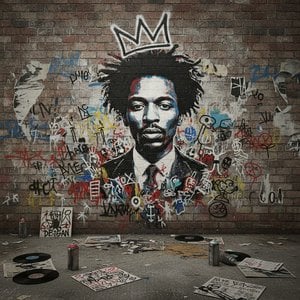
Explore the raw energy of Jean-Michel Basquiat and Neo-Expressionism. Discover how urban rebellion redefined modern art through a lens of luxury, identity, and profound emotional intensity for the discerning collector.
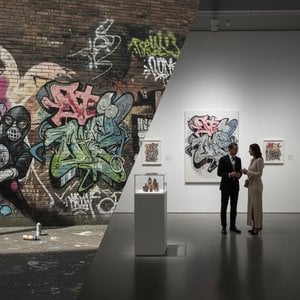
Explore the captivating journey of street art from urban walls to prestigious galleries. Discover how contemporary graffiti has evolved into a high-end collectible movement, redefining modern interior design and global art culture.

 Podgląd w skali
 Wyślij jako kartkę
 Udostępnij
 Szczegóły dzieła

 Pobierz
 Podobne obiekty
 RTG
RTG Pokaz slajdów
 Rozwiń treść







 Opcja ze szkłem jest dostępna wyłącznie w rozmiarach poniżej 110 cm


