Zobacz w skali 1:1 Zobacz w AR Przełącz na wersję drukowaną Kup ręcznie malowany obraz Wyślij
Szczegóły Dodaj do ulubionych Pobierz plik obrazu Podobne obiekty RTG Pokaz slajdów Statystyki

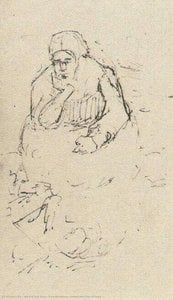
The Siesta

James Abbott McNeill Whistler’s ‘The Siesta,’ painted around 1884, exemplifies his signature tonalist style—muted colors and subtle brushstrokes conveying serenity. Inspired by musical harmony, this lithograph portrays Maud Franklin in a candid moment of rest, reflecting Whistler's pioneering vision for modern art.

James Whistler – pionier estetyzmu i tonalizmu. Jego obrazy, takie jak "Matka Whistlera", eksplorują harmonię barw i światło. Art dla sztuki! #Whistler #sztuka #estetyzm

Kup wysokiej rozdzielczości, ulepszony obraz cyfrowy o jakości znacznie przewyższającej podgląd online.

Każdy plik jest starannie przygotowywany przez naszych specjalistów przy użyciu zaawansowanych narzędzi oraz profesjonalnej, ręcznej retuszy. Dbamy o to, aby każdy obraz cechował się wyjątkową ostrością, precyzyjnym odwzorowaniem kolorów i subtelnymi detalami.

Ostateczny plik dostarczany jest drogą mailową w ciągu 72 godzin, zoptymalizowany do natychmiastowego wykorzystania w profesjonalnych zastosowaniach redakcyjnych i poligraficznych. To ta sama jakość, której ufają czołowe studia projektowe, wydawnictwa oraz galerie sztuki.

Obraz cyfrowy

Pobierz plik o wysokiej rozdzielczości do osobistego użytku, druku oraz projektów kreatywnych. ( Przełącz na wersję drukowaną Kup ręcznie malowany obraz)

Cena całkowita

$ 24,90

W każdym zamówieniu na obraz cyfrowy znajduje się

Profesjonalna dostawa cyfrowa z gwarancją

Wybierając WahooArt.com, nie otrzymujesz jedynie obrazu – otrzymujesz profesjonalnie udoskonalone cyfrowe dzieło sztuki, stworzone z najwyższą precyzją i objęte gwarancją satysfakcji. Oto wszystko, co automatycznie dołączane jest do Twojego zamówienia:

shipping_icon
Błyskawiczna dostawa e-mailowa

Plik z obrazem cyfrowym w wysokiej rozdzielczości zostanie przesłany na Twój adres e-mail w ciągu 72 godzin od złożenia zamówienia – gotowy do natychmiastowego użycia.

canvas_icon
Plik cyfrowy ulepszony przez AI

Twoja grafika została profesjonalnie zoptymalizowana przy użyciu zaawansowanych narzędzi AI oraz ręcznej edycji, co zapewnia maksymalną szczegółowość, klarowność i wierność kolorów.

insurance_icon
Bezpłatna dożywotnia ponowna dostawa

Przypadkowo usunąłeś lub zgubiłeś swój plik? Bez obaw – prześlemy go Tobie ponownie w dowolnym momencie, bez żadnych opłat.

tax_icon
Bez opłat importowych – zawsze

Ciesz się swoją sztuką natychmiast, bez żadnych opłat celnych, należności ani kosztów dostawy – pliki cyfrowe są zawsze wolne od podatku.

color_icon
Gwarancja odwzorowania kolorów

Dzięki zastosowaniu profesjonalnych narzędzi i procesów zarządzania barwą zapewniamy, że Twoje cyfrowe zdjęcie odzwierciedla oryginalne kolory tak wiernie, jak to tylko możliwe.

return_icon
100 dni na satysfakcję

Jeśli nie będziesz zadowolony ze swojego cyfrowego obrazu, poprawimy go lub zwrócimy 100% kosztów w ciągu 100 dni – bez zbędnych pytań.

guarantee_icon
100% Gwarancja zwrotu pieniędzy

Nie jesteś zadowolony? Otrzymaj pełny zwrot kosztów w ciągu 100 dni od otrzymania pliku cyfrowego – bez zbędnych pytań.

discount_icon
Rabaty przy zamówieniach hurtowych

Kup 3 obrazy, oszczędź 10% - Kup 5, oszczędź 15% - Kup 10+, oszczędź 20%. Idealne do projektów kreatywnych, galerii i agencji.

Kluczowe informacje

  • Artistic style: Quietude; Serenity
  • Year: 1884
  • Medium: Oil on panel
  • Notable elements or techniques: Musical terms; Atmospheric effects
  • Location: Philadelphia Museum of Art
  • Movement: Tonalism
  • Subject or theme: Rest; Leisure

Quiz wiedzy o sztuce

Do każdego pytania dotyczy tylko jedna poprawna odpowiedź.

Pytanie 1:
What artistic movement is James Abbott McNeill Whistler primarily associated with?
Pytanie 2:
The painting 'The Siesta' depicts what scene?
Pytanie 3:
Whistler’s approach to painting emphasized:
Pytanie 4:
What is the significance of Whistler's use of musical terms like 'harmony' in his titles?
Pytanie 5:
Who influenced Whistler's artistic style, particularly in his exploration of mood and atmosphere?

James Abbott McNeill Whistler: Embracing Tranquility Through Tonalism

James Abbott McNeill Whistler (1834-1903) stands as a pivotal figure in American art history, recognized for his singular vision and unwavering commitment to artistic autonomy. Rejecting the prevailing Victorian preoccupation with narrative storytelling, Whistler championed “art for art’s sake,” prioritizing aesthetic beauty above moral didacticism—a stance that profoundly shaped the trajectory of modern art.

“The Siesta”: A Masterpiece of Atmospheric Impression

"The Siesta," painted around 1884, exemplifies Whistler's groundbreaking approach to painting. This oil-on-panel artwork depicts two figures resting beneath a tree on a sunlit day—a seemingly simple scene rendered with extraordinary subtlety and nuance. Whistler’s distinctive style, known as Tonalism, eschewed the vibrant color palettes favored by Impressionists in favor of exploring tonal values – variations in shade – to convey mood and atmosphere.

The muted hues of ochre, amber, and olive green coalesce into a harmonious blend that evokes a profound sense of serenity. Whistler’s meticulous brushstrokes create an illusion of depth and luminosity without resorting to intense color contrasts. Instead, he skillfully manipulates light and shadow to capture the essence of a moment frozen in time—a quiet respite from the bustle of daily life.

Influence and Legacy: Shaping the Aesthetic Landscape

Whistler’s innovative technique had an undeniable ripple effect on his contemporaries and subsequent artists. He established Tonalism as a distinct artistic movement, influencing figures like George Inness and Ralph Albert Blakelock who similarly prioritized tonal harmonies to express emotion and capture the intangible qualities of nature.

Experience Whistler's Art at WahooArt

At WahooArt, we offer exceptional reproductions of James Abbott McNeill Whistler’s celebrated works, including “The Siesta.” Our artisans painstakingly recreate the original painting's beauty using traditional oil paints on canvas—capturing every delicate detail and conveying the artwork’s evocative atmosphere.

Bring a touch of Whistlerian elegance into your home or office. Order your own hand-painted reproduction today!


Biografia artysty

A Life Shaped by Aestheticism: The World of James Abbott McNeill Whistler

James Abbott McNeill Whistler, born in Lowell, Massachusetts in 1834, was a figure perpetually at odds with convention—a painter who championed “art for art’s sake” during an era obsessed with moralizing narratives. His early life, marked by frequent relocations due to his father's railroad engineering career, instilled within him a sense of adaptability and exposure to diverse environments. A brief, unhappy stint at West Point proved ill-suited to his artistic temperament, followed by work with the U.S. Coast and Geodetic Survey that, while delaying, did not extinguish his burgeoning passion for art. These formative years were characterized by an innate talent for drawing and a resolute desire to forge a path as a professional artist, a pursuit that would ultimately lead him across the Atlantic and into the heart of the European avant-garde. The seeds of Whistler’s artistic rebellion were sown early, nurtured by a spirit that resisted conformity and embraced aesthetic exploration above all else.

Parisian Beginnings and the Cultivation of Style

The pivotal moment in Whistler's artistic journey arrived with his move to Paris in 1855. Here, under the tutelage of Sébastien Bouré, he honed his skills in oil painting, watercolor, and printmaking, absorbing the influences of French Realism and the Barbizon School painters. However, Whistler quickly transcended mere imitation, developing a distinctive style characterized by tonal harmonies and atmospheric effects. He wasn’t interested in replicating reality; rather, he sought to capture its *essence*, its fleeting moods and subtle nuances. This period marked a crucial shift from representational accuracy towards an exploration of pure aesthetic form. His early works already hinted at the delicate balance between observation and abstraction that would define his mature style. It was in Paris that Whistler began to articulate his belief that art should be judged solely on its aesthetic qualities, free from didactic or moralizing constraints—a philosophy that would become the cornerstone of his artistic practice and a defining characteristic of the Aesthetic movement. He experimented with color palettes, often favoring muted tones and subtle gradations, creating paintings that prioritized mood and atmosphere over precise detail.

Nocturnes, Portraits, and the Pursuit of Harmony

Whistler’s artistic vision crystallized in several key themes and stylistic choices. He championed the concept of “art for art’s sake,” rejecting narratives laden with moral or social commentary. His work became an exercise in capturing subtle nuances of light, color, and atmosphere—a pursuit that led to his iconic *Nocturnes*. These atmospheric paintings of twilight scenes, often depicting the Thames River at night, were not intended as literal depictions but rather as evocative impressions, studies in tonal harmony and mood. He frequently employed limited palettes and delicate brushwork, creating a sense of ethereal beauty and quiet contemplation. Whistler also produced a significant body of portraiture, though he approached them with a unique sensibility. He wasn’t concerned with capturing perfect likenesses; instead, he focused on formal arrangements and tonal relationships, treating his sitters as compositional elements within a carefully constructed aesthetic framework. Works like *Arrangement in Grey and Black No. 1*—better known as *Whistler's Mother*—demonstrate this approach perfectly, transforming a familial portrait into an iconic image of Victorian motherhood through its masterful use of form and tone. The painting’s power lies not in the depiction of a specific woman but in its distillation of maternal dignity and quiet strength.

Controversy, Influence, and Lasting Legacy

Whistler’s career was not without controversy. The infamous libel suit brought against him by the critic John Ruskin in 1878, sparked by *Nocturne in Black and Gold – The Falling Rocket*, became a landmark moment in art history. Whistler successfully defended his artistic autonomy, arguing that his paintings were not intended to be realistic representations but rather aesthetic arrangements of color and form. This case elevated his profile and ignited important debates about the nature of art criticism and artistic freedom. Beyond this legal battle, Whistler’s influence extended far and wide. He was deeply inspired by Japanese prints (ukiyo-e), which informed his compositional principles and emphasis on decorative patterns, as well as the tonal mastery of Spanish painters like Velázquez. His advocacy for “art for art’s sake” profoundly impacted the Aesthetic movement in England and America, paving the way for modernism and challenging conventional notions about artistic purpose. He left an indelible mark on American art, inspiring generations of artists to embrace formalist approaches and explore the expressive potential of color and composition. Whistler's work continues to be studied and admired for its innovative use of light, color, and form, solidifying his position as a key figure in the development of modern painting.
  • Notable Works: *The Forge* (1861), *Portrait of Charles Lang Freer* (1873), *Brown and Gold: The Gold Girl—Connie Gilchrist* (1876-77), *Arrangement in Grey and Black No. 1 (Whistler’s Mother)* (1871), *Nocturne in Black and Gold – The Falling Rocket* (1875).
  • Influences: Japanese prints, Velázquez.

A Lasting Impression

James Abbott McNeill Whistler died in London in 1903, leaving behind a body of work that continues to captivate and inspire. His unwavering commitment to artistic principles and his relentless pursuit of aesthetic beauty cemented his place as a pivotal figure in the history of art. His legacy endures not only through his paintings but also through the enduring debate about the very definition of art itself—a conversation that remains relevant today.

James McNeill Whistler

James McNeill Whistler

1834 - 1903 , Stany Zjednoczone

Najważniejsze informacje

  • Artistic Movement Or Style: Tonalizm, Estetyzm
  • Artists Or Movements Influenced By This Artist:
    • Estetyzm
    • Modernizm
  • Artists Who Influenced This Artist:
    • Velázquez
    • Japońskie drzeworyty
  • Date Of Birth: 10 lip 1834
  • Full Name: James Abbott McNeill Whistler
  • Nationality: Amerykański
  • Notable Artworks:
    • Matka Whistlera
    • Nocturne
    • Uporządkowanie
  • Place Of Birth: Lowell, USA