Zobacz w skali 1:1 Zobacz w AR Kup ręcznie malowany obraz Przełącz na wersję cyfrową Wyślij
Szczegóły Przewodnik Dodaj do ulubionych Pobierz plik obrazu Podobne obiekty RTG Pokaz slajdów Statystyki

Nieznane 21

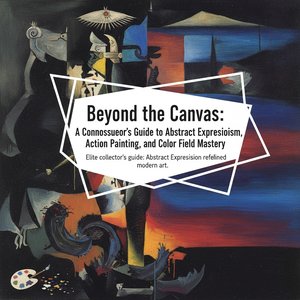
Zapoznaj się z obrazem „Nieznane 21” Jacksona Pollocka – ikonicznego dzieła abstrakcyjnego ekspresjonizmu. Odkryj głębokie emocje i dynamikę tego pionierskiego obrazu, stworzonego techniką kropli.

Paul Jackson Pollock (1912-1956) – amerykański malarz, pionier ekspresjonizmu abstrakcyjnego i techniki "dripping". Znany z dynamicznych, spontanicznych obrazów, które rewolucjonizowały sztukę XX wieku. #Pollock #sztukaabstraktna

Giclée / Wydruk artystyczny

Wydruki giclée lub płótna o jakości muzealnej, szybka realizacja i szeroki wybór opcji wykończenia. ( Kup ręcznie malowany obraz Przełącz na wersję cyfrową)

Corner sample of the P118B picture frame: polistyren formowany, 5 cm wide and 3 cm thick
P118B zł10
Corner sample of the P118H picture frame: polistyren formowany, 5 cm wide and 3 cm thick
P118H zł10
Corner sample of the P118W picture frame: polistyren formowany, 5 cm wide and 3 cm thick
P118W zł10
Corner sample of the P438Z picture frame: polistyren formowany, 5.5 cm wide and 3.5 cm thick
P438Z zł10
Corner sample of the P508JH picture frame: polistyren formowany, 7 cm wide and 3.5 cm thick
P508JH zł12
Corner sample of the P508YH picture frame: polistyren formowany, 7 cm wide and 3.5 cm thick
P508YH zł12
Corner sample of the P805H picture frame: polistyren formowany, 5 cm wide and 3.5 cm thick
P805H zł10
Corner sample of the P805Z picture frame: polistyren formowany, 5 cm wide and 3.5 cm thick
P805Z zł10
Corner sample of the P919BZ picture frame: polistyren formowany, 7 cm wide and 3.5 cm thick
P919BZ zł10
Corner sample of the P919G picture frame: polistyren formowany, 7 cm wide and 3.5 cm thick
P919G zł10
Corner sample of the P919XJ picture frame: polistyren formowany, 7 cm wide and 3.5 cm thick
P919XJ zł10
Corner sample of the P959ZH picture frame: polistyren formowany, 5 cm wide and 3 cm thick
P959ZH zł10
Corner sample of the P968JZ picture frame: polistyren formowany, 6 cm wide and 4 cm thick
P968JZ zł12
Corner sample of the W106C picture frame: lite drewno, 5 cm wide and 3 cm thick
W106C zł8
Corner sample of the W218G picture frame: lite drewno, 5 cm wide and 3 cm thick
W218G zł10
Corner sample of the W218JH picture frame: lite drewno, 5 cm wide and 3 cm thick
W218JH zł8
Corner sample of the W218Y picture frame: lite drewno, 5 cm wide and 3 cm thick
W218Y zł10
Corner sample of the W307PJ picture frame: lite drewno, 6 cm wide and 3 cm thick
W307PJ zł10
Corner sample of the W316G picture frame: lite drewno, 6 cm wide and 3 cm thick
W316G zł10
Corner sample of the W316PJ picture frame: lite drewno, 6 cm wide and 3 cm thick
W316PJ zł8
Corner sample of the W316Y picture frame: lite drewno, 6 cm wide and 3 cm thick
W316Y zł10
Corner sample of the W398PJ picture frame: lite drewno, 5 cm wide and 3 cm thick
W398PJ zł8
Corner sample of the W4111J picture frame: lite drewno, 6.5 cm wide and 3.5 cm thick
W4111J zł10
Corner sample of the W500HY picture frame: lite drewno, 7 cm wide and 5 cm thick
W500HY zł15
Corner sample of the W500JH picture frame: lite drewno, 7 cm wide and 5 cm thick
W500JH zł15
Corner sample of the W692G picture frame: lite drewno, 8 cm wide and 4 cm thick
W692G zł12
Corner sample of the W849H picture frame: lite drewno, 5 cm wide and 3 cm thick
W849H zł8
Corner sample of the W940BG picture frame: lite drewno, 7.5 cm wide and 4.5 cm thick
W940BG zł15
Corner sample of the W953PJ picture frame: lite drewno, 6 cm wide and 3.5 cm thick
W953PJ zł8

Standardowy
na zamówienie
CM
INCH

Wybierz spośród naszych standardowych rozmiarów, które zachowują oryginalne proporcje dzieła sztuki.

szerokość
wysokość

Wpisz wymaganą szerokość i wysokość, aby dopasować grafikę do ramy lub ściany. Wydruk można jedynie przyciąć, nigdy nie powiększając go poza oryginalny obraz, dlatego format o innym proporcji spowoduje utratę części kompozycji. Przed rozpoczęciem druku prześlemy Ci cyfrowy podgląd do zatwierdzenia. Obraz wyświetlany na tej stronie nie pokazuje rzeczywistego przycięcia — jedynie podgląd oddaje ten efekt.

Dostawa na cały świat () w ciągu 2 tygodni zamiast standardowych 4/5 tygodni. (15 Październik)

Bezpłatna ekspresowa wysyłka na cały świat
Wysokiej jakości płótno lniane
Pełne ubezpieczenie transportowe
Gwarancja zwrotu należności celnych i podatków importowych
Gwarancja idealnego odwzorowania barw
100-dniowy okres na zwrot dzieła w przypadku wykrycia wad produkcyjnych
Gwarancja 100% zwrotu pieniędzy
Oferta przy zakupie wielu sztuk

Cena całkowita

zł 258

Nieznane 21

Giclée / Wydruk artystyczny

Rozmiar reprodukcji

-

Suma do zapłaty

zł 258

Kluczowe informacje

  • Medium: Oleje na płótnie
  • Dimensions: Nieznane
  • Location: Nieznana kolekcja
  • Notable elements or techniques: Malowanie krople
  • Year: Nieznane

Quiz wiedzy o sztuce

Do każdego pytania dotyczy tylko jedna poprawna odpowiedź.

Pytanie 1:
Jak nazywa się obraz?
Pytanie 2:
Jaki styl malarski charakteryzuje się tym obrazem?
Pytanie 3:
Czy obraz wykorzystuje technikę rozpylania farb?
Pytanie 4:
Czy obraz przedstawia postaci ludzkie?
Pytanie 5:
Jaką atmosferę wywołuje kolorystyka obrazu?

Paul Jackson Pollock i Jego Pionierskie Drip Painting

  • Biografia Krótka Paul Jackson Pollock (1912 – 1956) był amerykańskim malarzem abstrakcyjnym, który zdefiniował nowy kierunek w sztuce XX wieku. Jego życie rozpoczęło się w Cody, Wyoming, gdzie jego ojciec pracował jako geodeta, zapewniając młodemu Pollockowi kontakt z naturą i różnorodnymi kulturami – wspomnienia te miały ogromny wpływ na jego późniejsze twórczość. Studiował grafikę i sztukę dekoracyjną na Uniwersytecie Kalifornijskim w Los Angeles oraz Art Students League w Nowym Jorku pod kierownictwem Thomasa Hartena Bentona, gdzie rozwijał umiejętności rytmicznej kompozycji i narracji charakterystyczne dla ruchu Regionalistycznego.
  • Ruch Abstrakcyjny Ekspresjonizm Pollock jest jednym z najważniejszych twórców abstrakcyjnego ekspresjonizmu – nurtu sztuki skupionego na emocjach i spontanicznej ekspresji. Jego prace odrzucały tradycyjne metody malarskie, koncentrując się zamiast tego na metodzie „dripping” – polegającej na rozlewanie farb bezpośrednio na płótno z pomocą różnych narzędzi, takich jak szpachelki i drążków. Ta technika stworzyła efekt chaotycznego ruchu i abstrakcyjnych wzorów, które wyrażały wewnętrzny świat artysty.
  • „Untitled 21” – Studium Drip Painting „Untitled 21”, obraz stworzony przez Polloka około roku 1950, stanowi doskonałe przykład dzieła abstrakcyjnego ekspresjonizmu. Jego monochromatyczna kolorystyka – dominujący biel i czarny – podkreśla dynamikę kompozycji oraz koncentruje uwagę odbiorcy na strukturze samego obrazu. Szerokie linie i obszary rozlanych farb tworzą wrażenie głębokości i ruchu, przypominając ruch wody lub płomienia. Szczegółowe obserwacje powierzchni obrazu ujawniają złożoność procesu twórczego i umiejętność Polloka przekazywania emocji poprzez abstrakcyjną formę.
  • Symbolizm i Inspiracja „Untitled 21” nie posiada oczywistego symbolizmu, lecz jego energia i spontaniczność odzwierciedlają ducha epoki. Pollock inspirował się filozofią Zen i mistycyzmem orientalnym, które nauczyły go koncentrować się na chwili obecnej i akceptować przypadkowe wydarzenia jako część procesu twórczego. Jego prace są często interpretowane jako wyraz wewnętrznego konfliktu i poszukiwania sensu życia.
  • Znaczenie Dla Sztuki Współczesnej „Untitled 21” oraz cały styl driping Pollocka miały ogromny wpływ na rozwój sztuki współczesnej. Jego twórczość zainspirowała wielu innych artystów, którzy eksperymentowali z różnymi technikami i materiałami, aby wyrazić swoje emocje i idee. „Untitled 21” pozostaje ikoną abstrakcyjnego ekspresjonizmu i świadectwem pionierskiego ducha Polloka – artysty, który zmienił sposób patrzenia na sztukę i wpisał się na trwałe w historię kultury amerykańskiej.

Pytania i odpowiedzi

Jaką nasycenie i intensywność prezentuje „Nieznane 21” autorstwa Jackson Pollock?

Dzieło „Nieznane 21” autorstwa Jackson Pollock zostało utrwalone z nasyceniem na poziomie Przygaszone oraz intensywnością Monochromatyczność.

Do czego zaleca się wykorzystanie reprodukcji „Nieznane 21” autorstwa Jackson Pollock?

Reprodukcja dzieła „Nieznane 21” autorstwa Jackson Pollock jest polecana do Akcent kolorystyczny. Sugestia ta wynika z tematyki, nastroju oraz kolorystyki pracy.

W jaki sposób technika i ruch łączą się w "Nieznane 21"?

Nieznane 21” autorstwa Jackson Pollock łączy technikę Akryl na płótnie ze stylem Abstract Expressionism. Technika i nurt opisują sposób wykonania oraz styl dzieła.


Biografia artysty

Early Life and the Seeds of Innovation

Paul Jackson Pollock, born in Cody, Wyoming, in 1912, was a restless spirit from the outset. His early life was marked by frequent relocation as his father pursued work as a land surveyor across the vast landscapes of the American West. This itinerant existence instilled in young Pollock a deep connection to the natural world and an exposure to diverse cultures, particularly through encounters with Native American art during those surveying trips – impressions that would subtly permeate his artistic vision later in life. Though he never explicitly imitated Indigenous styles, the raw energy and spiritual resonance of these early experiences undoubtedly left their mark.

Pollock’s formal artistic training began at the Manual Arts High School in Los Angeles, followed by studies at the Art Students League of New York under the tutelage of Thomas Hart Benton. Benton, a prominent figure in the Regionalist movement, emphasized rhythmic composition and narrative themes rooted in American life. While Pollock initially absorbed these lessons, his inherent inclination leaned toward more abstract explorations. He was also profoundly impacted by Mexican muralists like José Clemente Orozco, whose powerful depictions of social struggle resonated deeply with him. These early influences laid a foundation, but it was the burgeoning world of Surrealism that truly unlocked Pollock’s artistic potential.

The Birth of Action Painting and a Revolutionary Technique

The 1930s saw Pollock experimenting with various techniques, seeking alternatives to traditional brushwork. He began pouring paint, exploring its fluidity and unpredictable nature. However, it was around 1947 that his artistic trajectory underwent a radical transformation. Abandoning the easel altogether, Pollock laid canvases directly on the floor, initiating what would become known as his “drip technique.” He then proceeded to drip, splash, and fling paint onto the canvas from above, orchestrating a dynamic dance between artist, medium, and surface.

This wasn’t merely about applying paint; it was about embodying the act of creation itself. Pollock's canvases became arenas for physical expression, capturing the immediacy of his gestures and emotions. The resulting paintings are characterized by their “all-over” composition – a lack of central focus that invites the viewer to explore the entire surface as a unified field of energy. Intricate networks of lines and colors intertwine, creating a visual complexity that is both captivating and challenging. He employed unconventional tools—sticks, knives, even syringes—to manipulate the paint in unpredictable ways, further emphasizing the spontaneous nature of his process.

Pollock’s approach was deeply influenced by Jungian psychology, seeking to tap into universal symbols and primal energies. The paintings became a record of this performance, imbued with the artist's physical presence and emotional intensity. The dynamic energy that emanates from these canvases is palpable, drawing viewers into a world of pure abstraction.

Iconic Works and Lasting Legacy

Pollock’s most celebrated works—such as Number 1, 1950 (Lavender Mist), One: Number 31, 1950, Blue Poles: Number 11, 1952, and Convergence—are testaments to his revolutionary technique. These paintings are not simply images; they are records of a performance, imbued with the artist’s physical presence and emotional intensity. The dynamic energy that emanates from these canvases is palpable, drawing viewers into a world of pure abstraction.

His style transcends mere aesthetics; it's an exploration of process over product. Pollock sought to capture the immediacy of his actions and emotions on canvas, rejecting traditional notions of composition and representation. He delved into Jungian psychology, exploring archetypes and the subconscious in his art, seeking to tap into universal symbols and primal energies.

Influence and Recognition

Pollock’s work quickly gained recognition within the burgeoning Abstract Expressionist movement, challenging established artistic norms and paving the way for future generations of artists. His innovative approach influenced a wide range of painters, including Lee Krasner, his wife and collaborator, who played a crucial role in shaping his artistic vision. Despite initial skepticism from some critics, Pollock’s reputation steadily grew throughout the 1950s, culminating in a landmark retrospective exhibition at the Museum of Modern Art in New York City in 1967. This event solidified his place as one of the most important and influential artists of the 20th century.

His legacy extends beyond the art world, impacting popular culture and inspiring countless individuals to embrace creativity and self-expression. Jackson Pollock’s daring experimentation with materials and techniques continues to resonate today, reminding us of the power of art to transcend boundaries and capture the essence of human experience.

Jackson Pollock

Jackson Pollock

1912 - 1956 , Stany Zjednoczone

Najważniejsze informacje

  • Artistic Movement Or Style: Ekspresjonizm abstrakcyjny
  • Artists Or Movements Influenced By This Artist: ['Color Field painting']
  • Artists Who Influenced This Artist: ['Thomas Hart Benton']
  • Date Of Birth: 28 stycznia 1912
  • Date Of Death: 11 sierpnia 1956
  • Full Name: Paul Jackson Pollock
  • Nationality: Amerykański
  • Notable Artworks:
    • Number 1, 1950
    • Blue Poles
    • Convergence
  • Place Of Birth: Cody, Wyoming
Odkryj dzieła sztuki uporządkowane według tematów, stylów i cech charakterystycznych.