DARMOWA KONSULTACJA ARTYSTYCZNA

x
Zamów wydruk Zamów wydrukZamów reprodukcję Zamów reprodukcję UdostępnijUdostępnij
Szczegóły dziełaSzczegóły dzieła Dodaj do ulubionych Dodaj do ulubionych PobierzPobierz Podobne obiektyPodobne obiekty RTGRTG Pokaz slajdówPokaz slajdów

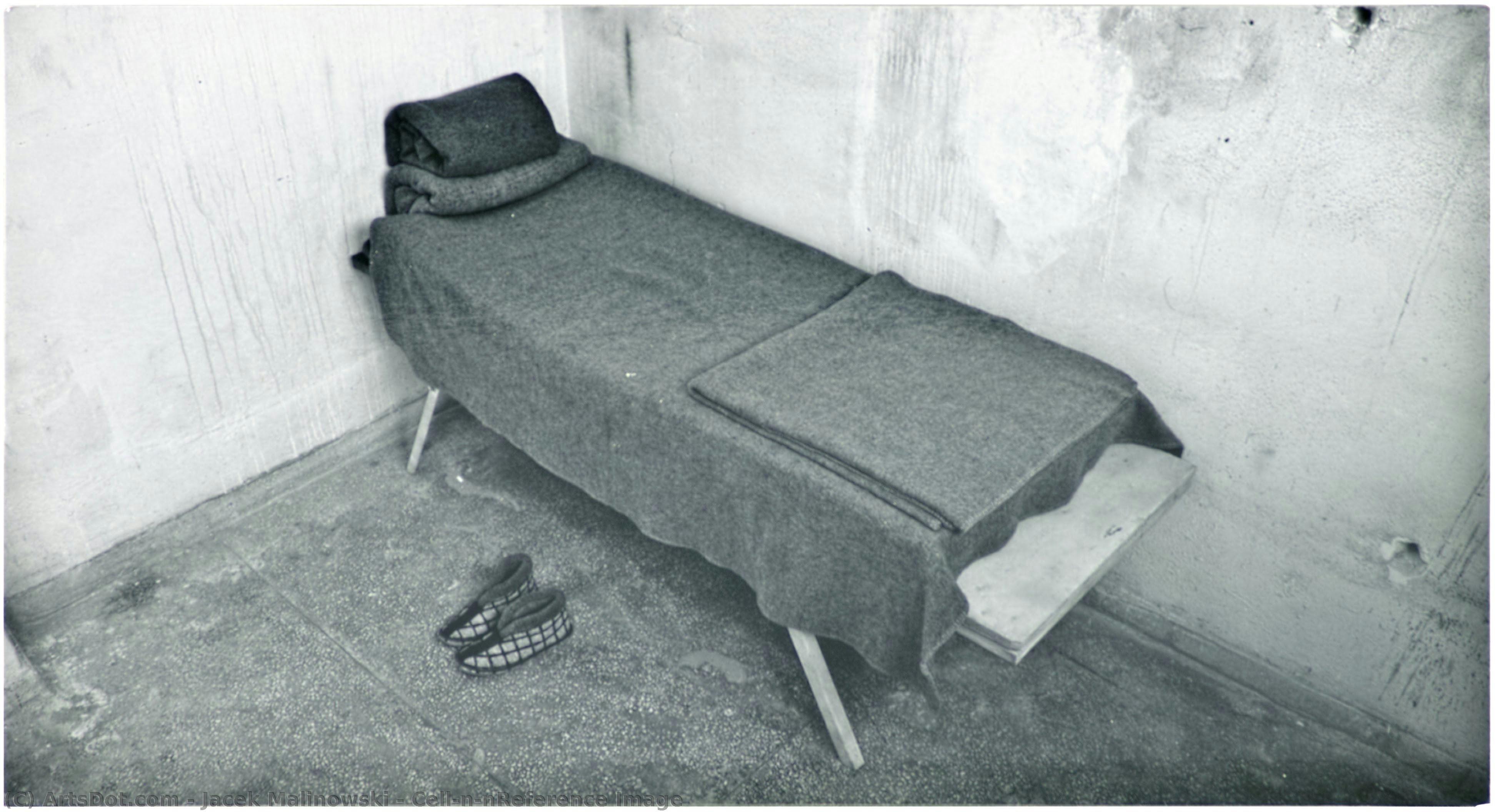
Cell\n\nReference Image

Explore the evocative art of Jacek Malinowski – a Polish visual artist known for film, installations & photography. Discover his unique style & impactful work.

Kup wysokiej rozdzielczości, ulepszony obraz cyfrowy, znacznie lepszy niż podgląd online.

Każdy plik jest starannie przygotowywany przez naszych specjalistów przy użyciu zaawansowanych narzędzi oraz profesjonalnej, ręcznej retuszy. Dbamy o to, aby każdy obraz cechował się wyjątkową ostrością, precyzyjnym odwzorowaniem kolorów i subtelnymi detalami.

Ostateczny plik dostarczany jest drogą mailową w ciągu 72 godzin, zoptymalizowany do natychmiastowego wykorzystania w profesjonalnych zastosowaniach redakcyjnych i poligraficznych. To ta sama jakość, której ufają czołowe studia projektowe, wydawnictwa oraz galerie sztuki.

Obraz cyfrowy

Pobierz plik o wysokiej rozdzielczości do osobistego wyświetlania, druku oraz projektów kreatywnych.

Suma do zapłaty

$9.99

Zawarte w każdym zamówieniu na obraz cyfrowy

Profesjonalna dostawa cyfrowa, gwarantowana

Wybierając WahooArt.com, nie otrzymujesz jedynie obrazu – otrzymujesz profesjonalnie udoskonalone cyfrowe dzieło sztuki, stworzone z najwyższą precyzją i objęte gwarancją satysfakcji. Oto wszystko, co automatycznie dołączane jest do Twojego zamówienia:

shipping_icon
Błyskawiczna wysyłka e-mailowa

Plik z obrazem cyfrowym w wysokiej rozdzielczości zostanie przesłany na Twój adres e-mail w ciągu 72 godzin od złożenia zamówienia – gotowy do natychmiastowego użycia.

canvas_icon
Plik cyfrowy wzbogacony przez AI

Twoja grafika została profesjonalnie zoptymalizowana przy użyciu zaawansowanych narzędzi AI oraz ręcznej edycji, co zapewnia maksymalną szczegółowość, klarowność i wierność kolorów.

insurance_icon
Dożywotnia darmowa ponowna dostawa

Przypadkowo usunąłeś lub zgubiłeś swój plik? Bez obaw – prześlemy go Tobie ponownie w dowolnym momencie, bez żadnych opłat.

tax_icon
Bez opłat importowych – zawsze

Ciesz się swoją sztuką natychmiast, bez żadnych opłat celnych, należności ani kosztów dostawy – pliki cyfrowe są zawsze wolne od podatku.

color_icon
Gwarancja wierności kolorów

Dzięki zastosowaniu profesjonalnych narzędzi i procesów zarządzania barwą zapewniamy, że Twoje cyfrowe zdjęcie odzwierciedla oryginalne kolory tak wiernie, jak to tylko możliwe.

return_icon
60-dniowa gwarancja satysfakcji

Jeśli nie będziesz zadowolony ze swojego cyfrowego obrazu, poprawimy go lub zwrócimy 100% kosztów w ciągu 60 dni – bez żadnych pytań.

guarantee_icon
100% Gwarancja zwrotu pieniędzy

Nie zadowoleni? Otrzymaj pełny zwrot kosztów w ciągu 60 dni od otrzymania pliku cyfrowego – bez zbędnych pytań.

discount_icon
Rabaty na zamówienia hurtowe

Kup 3 obrazy, oszczędź 10% - Kup 5, oszczędź 15% - Kup 10+, oszczędź 20%. Idealne do projektów kreatywnych, galerii i agencji.

Opis obiektu kolekcjonerskiego

The work of Jacek Malinowski is a collection of nine small black-and-white photographs mounted on glass. The pictures present the reconstruction of Adolf Eichmann’s cell in a prison in Ramla (Israel), where the Nazi criminal spent the last nine months of his life. Careful reconstruction of the prison facilities was based on images from the “Life” weekly, made and published in 1961 during the trial of the criminal. In Malinowski’s photographs, one can see a severe, very austere interior, where there is only a bed, a stool and a sink. There are both frames showing the full view of the cell, as well as close-ups of various details and items, which can be found there. [P. Lisowski]The work of Jacek Malinowski is a collection of nine small black-and-white photographs mounted on glass. The pictures present the reconstruction of Adolf Eichmann’s cell in a prison in Ramla (Israel), where the Nazi criminal spent the last nine months of his life. Careful reconstruction of the prison facilities was based on images from the “Life” weekly, made and published in 1961 during the trial of the criminal. In Malinowski’s photographs, one can see a severe, very austere interior, where there is only a bed, a stool and a sink. There are both frames showing the full view of the cell, as well as close-ups of various details and items, which can be found there.The reproduced cell was employed by the artist as a scenography for the film Nosferatu. The fear dictator (2011), and it simultaneously becomes the documentation relating to the process of making the film, as well as an independent work of art, which can be considered as an integral part of it. The film itself is a two-part story (Berlin, Warschau) inspired by two famous adaptations of Bram Stoker

Biografia artysty

Jacek Malinowski: Echoes of History and the Unseen

Born in Warsaw, Poland, in 1964, Jacek Malinowski is a visual artist whose work delves into the unsettling intersections of history, memory, and the human psyche. His oeuvre—spanning film, installations, sculpture, and photography—is characterized by a meticulous attention to detail, often employing archival materials and reconstructed spaces to confront viewers with uncomfortable truths about the past. Malinowski’s art isn't merely historical documentation; it’s an active engagement with the lingering shadows of events, prompting reflection on their enduring impact.

Initially trained at the Faculty of Fine Arts at the Mason Gross School of the Arts at Rutgers University, Malinowski’s artistic trajectory shifted dramatically after his studies. He began to explore themes rooted in Polish history and its complex relationship with the 20th century—a period marked by occupation, resistance, and profound loss. This early focus shaped a core aesthetic: a deliberate layering of evidence, creating environments that feel both familiar and profoundly alien.

The Cell: Confronting Eichmann’s Legacy

Perhaps the most iconic work in Malinowski's oeuvre is “Cell” (2012), a series of nine black-and-white photographs meticulously documenting the reconstruction of Adolf Eichmann’s prison cell in Ramla, Israel. This project began with images from the 1961 “Life” magazine article detailing the trial and subsequent imprisonment of the Nazi war criminal. Malinowski didn't simply reproduce these archival photographs; he painstakingly recreated the cell itself, creating a stark, almost claustrophobic space that embodies the horror of Eichmann’s actions.

The significance of “Cell” extends beyond its subject matter. It functions as both a historical record and an artistic statement. The artist deliberately employs a documentary style, utilizing elements reminiscent of news photography to lend the work an air of authenticity. However, this apparent objectivity is undermined by the unsettling details—the bare bed, the single stool, the meager sink—which amplify the sense of isolation and despair within the confined space. As Malinowski himself has stated, he aims to evoke a “horror” that one should seek in reality, history, and tradition, simultaneously acknowledging the potential for evil inherent in these domains.

Film as a Medium for Historical Excavation

Beyond photography, Malinowski’s work extends into film. His 2011 film, "Nosferatu. The Fear Dictator," is a compelling example of his approach to cinematic storytelling. Drawing inspiration from both Murnau's original “Nosferatu” and Herzog’s adaptation, the film reimagines Bram Stoker’s Dracula as a chilling allegory for totalitarianism. Malinowski utilizes the reconstructed Eichmann cell as a key scenography, creating a haunting atmosphere that underscores the film’s themes of paranoia and oppression.

Crucially, Malinowski employs a documentary style within his films, blurring the lines between fiction and reality. This technique serves to heighten the sense of unease and invites viewers to question the nature of historical representation. The “Cell” itself becomes an integral part of the narrative, functioning as a visual metaphor for the enduring legacy of evil.

A Contemporary Voice Rooted in the Past

Jacek Malinowski’s art is not simply about recreating the past; it's about engaging with its complexities and confronting its uncomfortable truths. His meticulous research, combined with his distinctive aesthetic—characterized by stark imagery, unsettling spaces, and a deliberate use of archival materials—has established him as a significant voice in contemporary visual culture. He invites us to contemplate the enduring power of history and the importance of remembering – not just recording – the events that have shaped our world.

His work continues to be exhibited internationally, solidifying his position as a leading Polish artist exploring the darker corners of human experience.

jacek malinowski

jacek malinowski

1964 - , Poland

Krótka nota

  • Artistic Movement Or Style: Visual art, Film installations, Photography art
  • Date Of Birth: 1964
  • Full Name: Jacek Malinowski
  • Nationality: Polish
  • Notable Artworks:
    • Cell
    • Nosferatu. Berlin, Warschau
  • Place Of Birth: Warsaw, Poland