x
Podgląd w skaliPodgląd w skali Podgląd ARPodgląd AR Zamów wydruk Zamów wydrukKup obraz wysokiej rozdzielczości Kup obraz wysokiej rozdzielczości Wyślij jako kartkęWyślij jako kartkę
Szczegóły dziełaSzczegóły dzieła Dodaj do ulubionych Dodaj do ulubionych PobierzPobierz Podobne obiektyPodobne obiekty RTGRTG Pokaz slajdówPokaz slajdów

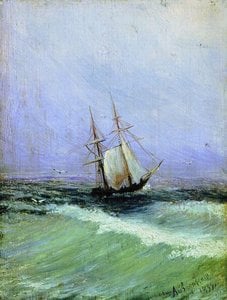
Oriental scene

Experience the beauty of 'Oriental Scene' by Ivan Aivazovsky! This 1846 oil painting captures a vibrant Middle Eastern gathering, showcasing Romanticism’s emotional depth and masterful detail.

Ivan Aivazovsky – rosyjski malarz morski, mistrz oddawania ducha oceanu w romantycznych pejzażach i dramatycznych obrazach szturmu. Jego dzieła fascynują do dziś.

Ręcznie malowana reprodukcja olejowa

Ręcznie malowany obraz olejny na płótnie, wykonany na zamówienie przez naszych artystów w wybranym przez Ciebie wymiarze i oprawie. (Zamów wydruk Zamów wydrukKup obraz wysokiej rozdzielczości Kup obraz wysokiej rozdzielczości)

Standardowy rozmiar
na wymiar
CM
INCH

Wybierz spośród naszych standardowych rozmiarów, które zachowują oryginalne proporcje dzieła sztuki.

szerokość
wysokość

Możesz wprowadzić własne wymiary, aby dopasować obraz do konkretnej ramy lub przestrzeni. Jeśli wybrany rozmiar nie będzie odpowiadał proporcjom oryginału, przytniecie dzieło sztuki lub rozszerzymy je o dodatkowe elementy, ręcznie domalowane przez artystę. Przed rozpoczęciem produkcji wyślemy projekt cyfrowy do Twojej akceptacji.
Należy pamiętać, że podgląd na ekranie nie odzwierciedla rzeczywistego przycinania ani rozszerzania obrazu. Tylko projekt dokładnie pokaże ostateczną kompozycję.
Choć oferujemy możliwość zamówienia niestandardowych rozmiarów, zalecamy wybór wymiaru z gotowej listy, aby zachować oryginalne proporcje dzieła.

Przykłady możliwych zmian: Zamień twarz na zdjęcie klienta; Dodaj zwierzę domowe (np. zamień kota na psa); Ukryj wiadomość w tle; Zmień krajobraz lub elementy tła.
Po złożeniu zamówienia zespół WahooArt.com skontaktuje się z klientem drogą mailową w celu uzyskania instrukcji i prześle wizualizację projektu

Dostawa na całym świecie () w ciągu 3–4 tygodni zamiast standardowych 5 tygodni. (29 Sierpień). Bez kompromisów w kwestii jakości.

why_choose_icon
Bezpłatna ekspresowa wysyłka na cały świat
why_choose_icon
Wysokiej jakości płótno lniane
why_choose_icon
Pełne ubezpieczenie przesyłki
why_choose_icon
Gwarancja zwrotu należności celnych i podatków importowych
why_choose_icon
Gwarancja wiernego odwzorowania kolorów
why_choose_icon
Polityka 60-dniowego zwrotu (tylko w przypadku wad)
why_choose_icon
Gwarancja 100% zwrotu kosztów
why_choose_icon
Zniżka przy zamówieniu wielu produktów

Suma całkowita

$ 472

reproduction

Oriental scene

Technika reprodukcji

Wymiary reprodukcji

-

Cena całkowita

$ 472

Szybki podgląd

  • Movement: Romanticism
  • Dimensions: 45 x 37 cm
  • Notable elements or techniques: Chiaroscuro
  • Artist: Ivan Aivazovsky
  • Title: Oriental scene
  • Artistic style: Romantic

Quiz o sztuce

Do każdego pytania dotyczy tylko jedna poprawna odpowiedź.

Pytanie 1:
What artistic movement is "Oriental Scene" by Ivan Aivazovsky most closely associated with?
Pytanie 2:
On what medium was the painting "Oriental Scene" created?
Pytanie 3:
Approximately when was 'Oriental Scene' painted?
Pytanie 4:
What is a prominent artistic technique used in the painting to create depth and volume?

Overview of "Oriental Scene" by Ivan Aivazovsky

This captivating painting, titled “Oriental Scene,” is a remarkable work by the renowned Russian Romantic artist Ivan Aivazovsky, created in 1846. It portrays a vibrant gathering of people set against the backdrop of Middle Eastern architecture, likely depicting a scene from Istanbul or another city within that region. The artwork exemplifies the Romantic style, characterized by its emphasis on emotion, imagination, and dramatic visual elements. It offers a glimpse into a historical moment, capturing the essence of daily life in a culturally rich urban setting.

Painting Details & Technique

The painting measures 45 x 37 cm and is executed using oil paints on canvas. Aivazovsky’s masterful technique shines through in his meticulous attention to detail. At least thirteen individuals are depicted, some standing while others relax on benches or other surfaces, each rendered with distinct character. The artist skillfully employs chiaroscuro – the dramatic use of light and shadow – to create depth and volume within the scene. The composition is carefully balanced, drawing the viewer's eye through the arrangement of figures and architectural elements. Aivazovsky’s signature style involves a nuanced application of brushstrokes, creating a sense of texture in the fabrics, stonework, and surrounding environment. The color palette leans towards muted earth tones, punctuated by subtle hints of blue and green, contributing to the painting's overall warmth and intimacy.

Artistic Style & Historical Context

Ivan Aivazovsky (1817-1900) was a celebrated master of marine art, though his talent extended beyond seascapes. "Oriental Scene" reflects the broader artistic trends of the 19th century, particularly Orientalism – a style that romanticized and often idealized depictions of Middle Eastern cultures. This movement was fueled by increased European interest in and exploration of the region. Aivazovsky’s ability to capture light and atmosphere was unparalleled; he used these elements not just for visual beauty but also to evoke specific moods and emotions. The painting's creation in 1846 places it within a period of significant political and social change, reflecting both the grandeur of the Russian Empire and its engagement with other cultures.

Symbolism & Emotional Impact

Beyond its aesthetic appeal, "Oriental Scene" carries symbolic weight. The gathering of people suggests themes of community, leisure, and cultural exchange. The architecture—the building with a large dome and the receding cityscape featuring minarets—grounds the scene in a specific geographical and historical context. The soft, diffused lighting creates a sense of tranquility and nostalgia, inviting viewers to contemplate a bygone era. Aivazovsky’s work evokes feelings of warmth, curiosity, and perhaps even a touch of melancholy, reflecting the Romantic movement's fascination with emotion and the sublime. The painting serves as a window into a different world, prompting reflection on cultural diversity and the shared human experience.

Legacy & Reproductions

Ivan Aivazovsky left behind an impressive legacy, creating approximately 6,000 paintings throughout his career. "Oriental Scene" stands as a testament to his skill and artistry. Today, high-quality handmade oil painting reproductions of this artwork are available, allowing art enthusiasts and collectors to appreciate its beauty in their own homes or spaces. These reproductions faithfully recreate the original's details and color palette, offering an accessible way to experience Aivazovsky’s vision.

O artyście

A Life Embraced by the Waves

Ivan Konstantinovich Aivazovsky, born Hovhannes Aivazian in 1817, was more than a painter of seascapes; he was a conduit to the ocean’s soul. His very existence seemed inextricably linked to the Black Sea—a vast, unpredictable expanse that would forever dominate his artistic vision and fuel an extraordinary career spanning nearly six decades. Born in the Crimean port city of Feodosia, Aivazovsky didn't merely observe the sea; he felt it – its raw energy, sublime beauty, and inherent danger becoming the very essence of his art. From a young age, this connection was nurtured, initially by local architect Jacob Koch who recognized the boy’s talent, then blossoming within the rigorous academic environment of the Imperial Academy of Arts in Saint Petersburg. Yet, formal training alone couldn't account for the depth of Aivazovsky’s understanding; it was the constant presence of salt-laced air and the cries of gulls that truly shaped his artistic sensibility. His Armenian heritage also played a significant role, as he was baptized at the St. Sargis Armenian Church in Feodosia and maintained strong cultural ties throughout his life, occasionally incorporating Armenian themes into his expansive body of work.

The Rise of a Marine Master

Aivazovsky’s artistic journey extended beyond Russia, taking him across Europe in the early 1840s. Italy proved particularly formative, immersing him in new landscapes and light, refining his skills and developing a distinctive style characterized by dramatic compositions and masterful use of color. He sought inspiration from the Italian masters, studying their techniques for capturing light and atmosphere. Upon returning to Russia, a pivotal moment arrived: his appointment as the main painter of the Russian Navy. This wasn’t merely a prestigious title; it was access—access to ships, sailors, naval battles, and firsthand observation that profoundly influenced his work. He became intimately acquainted with maritime life, lending an authenticity to his depictions that resonated deeply with both military officials and art enthusiasts alike. His prolific output – around 6,000 paintings throughout his career – testifies to his relentless dedication and extraordinary talent. Aivazovsky didn’t simply replicate scenes; he sought to evoke emotion, to transport the viewer into the heart of a storm or onto the deck of a ship battling towering waves. He wasn't interested in merely recording what was seen, but rather conveying what was felt. The artist’s ability to capture not just the visual spectacle of the sea, but its very essence—its moods, its power, and its mystery—quickly established him as a leading figure in Russian Romanticism.

Capturing the Sublime: Style and Key Works

Aivazovsky’s paintings are instantly recognizable for their romantic sensibility and technical brilliance. Seascape with Full Moon exemplifies his mastery of atmospheric perspective, creating an ethereal glow that bathes the sea in silvery light. The power of nature is palpable in works like A Ship in a Stormy Sea, where turbulent waters and dark skies convey a sense of impending doom and the fragility of human existence. He wasn’t afraid to depict chaos and destruction, but even within these dramatic scenes, there was always an underlying sense of beauty and awe. The Gondolier on Sea at Night showcases his skill in capturing nocturnal scenes with remarkable detail and a hauntingly beautiful atmosphere. Early works like Chaos (The Creation), which garnered attention from Pope Gregory XVI, reveal a willingness to tackle ambitious themes and demonstrate his technical prowess. However, it is arguably The Ninth Wave that remains his most iconic masterpiece—a harrowing depiction of shipwreck survivors clinging desperately to wreckage, facing the relentless power of the ocean. The painting embodies Aivazovsky’s ability to blend realism with romanticism, creating a scene that is both terrifying and profoundly moving. He often worked en plein air, directly from nature, capturing fleeting light effects, and developed a unique technique of applying paint in thin layers to create luminous textures.

Influences and Artistic Development

Aivazovsky’s artistic development was shaped by a confluence of factors. His early exposure to the Crimean landscape instilled in him a deep appreciation for color and light. The rigorous training at the Imperial Academy of Arts provided him with a solid foundation in classical techniques, but he quickly surpassed his instructors, developing a highly individual style. He drew inspiration from various sources, including the works of J.M.W. Turner, whose atmospheric effects he admired greatly, and the dramatic compositions of Rembrandt. The influence of Armenian folklore and traditions can also be detected in some of his later paintings, particularly those depicting scenes of rural life. His time spent in Constantinople profoundly impacted his artistic vision, exposing him to new cultures and artistic styles. He was deeply affected by the Hamidian massacres of Armenians in Asia Minor in 1895, painting a number of works on the subject such as “The Expulsion of the Turkish Ship,” and “The Armenian Massacres at Trevizond.” and renouncing a medal which had been awarded to him in Constantinople.

Legacy and Enduring Influence

Ivan Konstantinovich Aivazovsky stands as one of the greatest masters of marine art in Russian history—a legacy cemented by his technical skill, emotional depth, and prolific output. His paintings are celebrated not only for their aesthetic beauty but also for their ability to evoke powerful emotions and capture the essence of the sea. He significantly contributed to the development of Russian landscape painting, influencing generations of artists with his innovative techniques and dramatic compositions. Aivazovsky’s work continues to resonate with audiences worldwide, exhibited in museums and galleries across the globe. His paintings are a testament to the enduring power of nature and the human spirit—a reminder of our vulnerability in the face of the elements and our capacity for resilience and hope. He wasn't simply a painter of seascapes; he was a poet of the ocean, translating its moods, mysteries, and majesty onto canvas with unparalleled skill and passion.

Iwan Aiwazowski

Iwan Aiwazowski

1817 - 1900 , Rosja

Krótka nota

  • Artistic Movement Or Style: Romanticizm, Sztuka morska
  • Artists Or Movements Influenced By This Artist: Rosyjski malarstwo krajobrazowe
  • Artists Who Influenced This Artist: Szweryderzki malarstwo krajobrazowe
  • Date Of Birth: 1817
  • Date Of Death: 1900
  • Full Name: Ivan Konstantinovich Aivazovsky
  • Nationality: Rosyjsko-Armeński
  • Notable Artworks:
    • Mocne fale
    • Statek w burzy
    • Krajobraz z księżycem
  • Place Of Birth: Feodosia, Rosja
Odkryj dzieła sztuki uporządkowane według tematów, stylów i cech charakterystycznych.