DARMOWA KONSULTACJA ARTYSTYCZNA

x
Zamów reprodukcję Zamów reprodukcjęKup cyfrowy obraz Kup cyfrowy obraz UdostępnijUdostępnij
SzczegółySzczegóły Dodaj do ulubionych Dodaj do ulubionych PobierzPobierz Podobne obiektyPodobne obiekty RTGRTG Pokaz slajdówPokaz slajdów

Painters

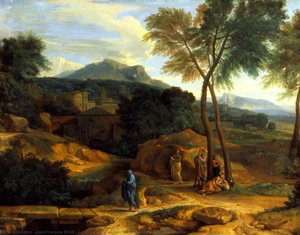
A captivating 1790 painting depicting two men working on a rock formation, showcasing Hubert Robert's mastery of landscape and light. Explore the romantic vision of ruins and nature.

Hubert Robert (1733-1808): Francuski malarz rokokowy znany z romantycznych krajobrazów i fantastycznych ruin. Łączył historię, piękno rozpadu i wyobraźnię w unikalnym stylu. Odkryj jego dzieła!

Giclée / Wydruk artystyczny

Druk giclée lub płótno o jakości muzealnej z szybką realizacją i szerokim wyborem opcji wykończenia.

P118B $10
P118H $10
P118W $10
P438Z $10
P508JH $12
P508YH $12
P805H $10
P805Z $10
P919BZ $10
P919G $10
P919XJ $10
P959ZH $10
P968JZ $12
W106C $8
W218G $10
W218JH $8
W218Y $10
W307PJ $10
W316G $10
W316PJ $8
W316Y $10
W398PJ $8
W4111J $10
W500HY $15
W500JH $15
W692G $12
W849H $8
W940BG $15
W953PJ $8

Standard
custom
CM
INCH

Wybierz spośród naszych predefiniowanych rozmiarów, które zachowują oryginalne proporcje dzieła sztuki.

szerokość
wysokość

Możesz wprowadzić własne wymiary, aby dopasować dzieło do konkretnej ramy lub przestrzeni. Jeśli wybrany rozmiar nie będzie odpowiadał proporcjom oryginalnego obrazu, przytniecie dzieło lub rozszerzymy obraz za pomocą odbicia lustrzanego lub jednolitego wypełnienia krawędzi. Przed rozpoczęciem produkcji prześlemy cyfrową wizualizację do Twojej akceptacji.
Prosimy pamiętać, że podgląd na ekranie nie odzwierciedla faktycznego przycinania ani rozszerzania. Tylko wizualizacja dokładnie pokaże końcową kompozycję.
Mimo dostępności niestandardowych rozmiarów, zalecamy wybór wymiaru z listy zdefiniowanej, aby zachować oryginalne proporcje.

Dostawa na cały świat () w ciągu 2 tygodni zamiast standardowych 4/5 tygodni. (2 Lipiec)

why_choose_icon
Bezpłatna ekspresowa wysyłka na cały świat
why_choose_icon
Wysokiej jakości płótno lniane
why_choose_icon
Pełne ubezpieczenie przesyłki
why_choose_icon
Gwarancja zwrotu należności celnych
why_choose_icon
Gwarancja pełnego zgodności kolorystycznej
why_choose_icon
Polityka 60-dniowego zwrotu (tylko w przypadku wad)
why_choose_icon
Gwarancja 100% zwrotu pieniędzy
why_choose_icon
Zniżka przy większych zamówieniach

Suma całkowita

-

reproduction

Painters

Giclée / Wydruk artystyczny

Wymiary reprodukcji

-

Cena całkowita

-

Szybkie fakty

  • Dimensions: 24 x 32 cm
  • Artistic style: Capriccio, Landscape
  • Artist: Hubert Robert
  • Notable elements: Ruins, figures, field
  • Influences: Neoclassicism
  • Medium: Oil on canvas
  • Movement: Romanticism

Quiz o sztuce

Na każde pytanie istnieje tylko jedna poprawna odpowiedź.

Pytanie 1:
What artistic movement is Hubert Robert primarily associated with?
Pytanie 2:
The painting 'Painters' depicts which of the following scenes?
Pytanie 3:
In what year was Hubert Robert born?
Pytanie 4:
What is a 'capriccio' in the context of Hubert Robert’s paintings?
Pytanie 5:
The image description mentions the presence of animals. Which animal is depicted in the painting?

Opis obiektu kolekcjonerskiego

Hubert Robert’s “Painters”: A Vision of Ruin and Remembrance

Hubert Robert's "Painters," painted in 1790, isn’t merely a depiction of laborers at work; it’s a carefully constructed meditation on labor, time, and the enduring power of memory. The scene unfolds within a rugged, almost theatrical landscape – a dramatic vista dominated by a towering rock formation, its weathered surface hinting at centuries of exposure to the elements. Two figures, rendered with a subtle realism that belies Robert's penchant for romanticized ruins, are engaged in the arduous task of carving stone. One, positioned atop the rock, directs the work with a commanding presence, while the other, lower down, meticulously shapes the material beneath him. The composition isn’t about capturing a specific moment; it’s about evoking a feeling – a sense of timelessness and the relentless passage of time, beautifully intertwined with the human effort to impose order upon nature.

Robert's style is distinctly rooted in the Neoclassical tradition, yet infused with the burgeoning Romantic sensibility that was beginning to challenge its rigid formality. He masterfully employs atmospheric perspective – the subtle blurring and darkening of distant elements – to create a profound sense of depth and space. The light, diffused and golden, washes over the scene, casting long shadows and highlighting the textures of the rock and the figures’ clothing. Notice how Robert utilizes loose brushstrokes, particularly in the depiction of the landscape, creating an impressionistic effect that anticipates later developments in art history. This deliberate softness contrasts with the sharper detail given to the men themselves, suggesting a focus on their individual struggles within the grand scheme of nature.

The Context of Labor and Ruin

To fully appreciate “Painters,” it’s crucial to understand Robert's artistic interests – particularly his fascination with ruins. Following the upheavals of the French Revolution, a renewed interest in antiquity and the past emerged, fueled by archaeological discoveries and a desire to reconnect with a perceived lost sense of order and stability. Robert, like many artists of his time, found inspiration in the decaying grandeur of Roman temples and medieval castles, transforming these remnants into evocative landscapes – ‘capriccios’ as he called them. These weren't simply artistic exercises; they were explorations of memory, loss, and the cyclical nature of history. The very act of painting ruins became a way to preserve a fading past, imbuing it with new life and meaning.

The figures depicted in “Painters” represent a specific segment of 18th-century French society – laborers engaged in essential but often overlooked work. Robert’s choice to portray them within such a dramatic landscape elevates their status, suggesting that even the most humble tasks are worthy of artistic attention. The scene subtly critiques the social hierarchies of the time, presenting these men not as mere workers, but as active participants in shaping the world around them. The rock formation itself can be interpreted as a symbol of enduring strength and resilience – a testament to the power of human labor against the forces of nature.

Symbolism and Emotional Resonance

Beyond its straightforward depiction of work, “Painters” is rich in symbolic meaning. The towering rock formation, with its weathered surface, represents the weight of history and the passage of time. The figures’ focused expressions convey a sense of dedication and perseverance, but also hint at the physical strain of their labor. Robert's use of color – predominantly earthy tones punctuated by flashes of gold – evokes feelings of warmth, nostalgia, and perhaps even melancholy. The overall effect is one of quiet contemplation, inviting the viewer to reflect on the relationship between humanity and nature, work and memory.

The inclusion of animals—a horse and a dog—adds another layer of complexity to the scene. Animals have long been associated with labor and service in art, symbolizing loyalty, strength, and connection to the natural world. Their presence reinforces the theme of human interaction with the environment, suggesting a harmonious coexistence – albeit one marked by hard work and enduring effort. “Painters” is not simply a landscape; it’s a carefully orchestrated tableau that speaks volumes about the values and anxieties of its time.

A Timeless Masterpiece: Reproduction Considerations

Reproductions of Hubert Robert's “Painters” offer a remarkable opportunity to bring this evocative artwork into your home or office. The meticulous detail captured by Robert’s brushstrokes, combined with his masterful use of light and shadow, translates beautifully to high-quality reproductions. When selecting a reproduction, pay close attention to the texture and color accuracy – features that are crucial for capturing the painting's atmospheric depth and emotional resonance. WahooArt offers meticulously crafted hand-painted reproductions that faithfully recreate Robert’s original vision, ensuring that you experience the full impact of this timeless masterpiece.


Biografia artysty

Hubert Robert: A Painter of Ruins and Visions

Hubert Robert, a name inextricably linked to the evocative beauty of decaying grandeur, stands as a pivotal figure in 18th-century French art. Born in Paris in 1733, his life unfolded against a backdrop of profound artistic transformation—a journey from the playful elegance of Rococo to the nascent spirit of Neoclassicism, all while navigating the dramatic upheavals of the French Revolution. Robert’s genius lay not merely in depicting ruins; he possessed an extraordinary ability to conjure visions, seamlessly blending meticulous observation with boundless imagination to create scenes that resonated with a poignant nostalgia for the past and a tantalizing anticipation of the future. His artistic odyssey began within the structured confines of formal training, initially under the tutelage of sculptor Michel-Ange Slodtz, who recognized Robert’s innate talent but wisely steered him towards painting, sensing an unparalleled capacity to capture light, atmosphere, and the subtle poetry inherent in form.

Roman Reveries: Shaping an Artistic Identity

The defining moment in Robert's artistic development arrived with his extended sojourn to Rome between 1754 and 1765. Accompanying Étienne-François de Choiseul, a key figure in the French diplomatic service, he immersed himself completely within the ancient city’s captivating world—a realm steeped in history, architectural magnificence, and the palpable weight of centuries past. This wasn't simply an act of observation; it was a profound transformation. For eleven years, Rome became Robert’s open-air studio, its crumbling temples, majestic arches, and overgrown gardens fueling his artistic imagination with unparalleled intensity. He didn’t merely replicate what he saw; he actively reimagined it, imbuing the ruins with a sense of melancholic beauty—a poignant awareness of time's relentless passage. His early works, often categorized as *capriccio* compositions, exemplify this approach. These fantastical views skillfully juxtaposed classical ruins with contemporary life, creating dreamlike scenarios that blurred the boundaries between past and present. A crucial influence during this period was Giovanni Paolo Panini, a renowned landscape painter known for his meticulous depictions of Roman architecture. Robert absorbed Panini’s techniques—particularly his mastery of atmospheric perspective—and integrated them into his own distinctive style. His sketchbook pages from this era are invaluable records, revealing not just the physical details of Rome but also his artistic process – countless studies of architectural nuances and landscape compositions, demonstrating a keen eye for detail and an understanding of how light interacts with form.

Parisian Acclaim and Royal Patronage

Robert’s return to Paris in 1765 marked a significant shift in his career trajectory. He swiftly gained recognition within the artistic establishment, securing admission to the Académie Royale de Peinture et de Sculpture—a prestigious institution that served as the gatekeeper of artistic legitimacy. His debut exhibition at the Salon showcased “The Port of Rome, Ornamented with Different Monuments of Architecture, Ancient and Modern,” a work immediately lauded for its dramatic composition and evocative atmosphere. This success propelled Robert to the forefront of Parisian art circles, attracting the attention of influential critics and collectors alike. Denis Diderot, a leading figure of the Enlightenment and a prominent member of the *Encyclopédie*, famously praised Robert’s paintings, recognizing his ability to transport viewers to another time and place—to evoke a sense of history and mystery through his masterful use of light, color, and composition. This acclaim led to royal patronage, with commissions from King Louis XV for decorative projects within Versailles and other royal residences. He was subsequently appointed “Designer of the King’s Gardens,” a position that allowed him to shape the aesthetic landscape of some of France's most magnificent estates. Robert’s work resonated deeply with the prevailing taste for *capriccio* painting—a genre that captured the imagination of collectors fascinated by history, archaeology, and the romantic allure of the picturesque—but he elevated it beyond mere decorative art, imbuing it with a unique sensibility rooted in his profound understanding of Roman ruins.

Revolution, Resilience, and Lasting Legacy

The French Revolution presented an unprecedented challenge to Robert’s artistic career. As the monarchy crumbled and societal norms were overturned, many artists found themselves struggling to navigate the turbulent political climate. Robert, however, demonstrated remarkable resilience, continuing to paint prolifically despite the upheaval. He even endured a brief period of imprisonment during the Reign of Terror—a harrowing experience that undoubtedly informed his later works, which often explored themes of loss and transience. Following the Revolution, Robert was appointed curator of the newly established Muséum Central des Arts—the future Musée du Louvre—a testament to his expertise and dedication to preserving France’s artistic heritage. He played a crucial role in organizing and cataloging the museum's vast collection, ensuring that its treasures were safeguarded for generations to come. Hubert Robert died in Paris in 1808, leaving behind an extraordinary body of work that continues to captivate viewers with its evocative beauty and profound insights into the nature of time and memory. His legacy extends beyond his technical mastery—his ability to seamlessly blend historical accuracy with imaginative vision solidified his place as a pivotal figure bridging the Rococo and Neoclassical periods, anticipating aspects of Romanticism through his fascination for history and the sublime.
  • Key Influences: Giovanni Paolo Panini, Piranesi, the architectural landscape of Rome.
  • Major Themes: Ruins, landscapes, *capriccio* paintings, historical memory, the passage of time.
  • Artistic Style: Meticulous detail, atmospheric perspective, evocative lighting, blending observation with imagination.
Hubert Robert

Hubert Robert

1733 - 1808 , Francja

Kluczowe informacje

  • Artistic Movement Or Style: Rokokizm, Neoklasycyzm
  • Artists Or Movements Influenced By This Artist: ['Rokokizm']
  • Artists Who Influenced This Artist:
    • Giovanni Panini
    • Piranesi
  • Date Of Birth: 22 maja 1733
  • Date Of Death: 15 kwietnia 1808
  • Full Name: Hubert Robert
  • Nationality: Francuz
  • Notable Artworks:
    • Port Rzymu
    • Lot Galatei
    • Galerie Luwr
  • Place Of Birth: Paryż, Francja
Odkryj dzieła sztuki uporządkowane według tematów, stylów i cech charakterystycznych.