

Wydruki giclée lub płótna o jakości muzealnej, szybka realizacja i szeroki wybór opcji wykończenia. ( Zamów ręcznie malowaną reprodukcję Przejdź do wersji cyfrowej)





























Wybierz spośród naszych standardowych rozmiarów, które zachowują oryginalne proporcje dzieła sztuki.

Wpisz wymaganą szerokość i wysokość, aby dopasować grafikę do ramy lub ściany. Wydruk można jedynie przyciąć, nigdy nie powiększając go poza oryginalny obraz, dlatego format o innych proporcjach spowoduje utratę części kompozycji. Przed rozpoczęciem druku prześlemy Ci cyfrowy podgląd do zatwierdzenia. Obraz wyświetlany na tej stronie nie pokazuje rzeczywistego przycięcia — jedynie podgląd oddaje ten efekt.
Dostawa na cały świat () w ciągu 2 tygodni zamiast standardowych 4/5 tygodni. (14 Listopad)
LA FONTAINE
Wymiary reprodukcji
The scene unfolds within LA FONTAINE, a work painted by Hubert Robert in 1784. This piece emerges from a specific creative sequence, forming part of a series of paintings centered on the theme of water. The artist captures a moment where the elements of nature and the remnants of human construction meet under a soft, diffused light.
The origins of this work trace back to the patronage of David Etienne Rouillé de l'Etang, who served as the Treasurer General of the Police. He commissioned this vision to decorate the private residence of his estate, the Hôtel de la place Louis XV in Paris. Through his direction, the artist translates the quiet movement of water and the stillness of stone into a visual narrative that feels both expansive and intimate.
A serene pastoral vista unfolds before the eye, dominated by the crumbling ruins of an ancient temple or palazzo. These weathered stone structures lean into the landscape, their decaying forms asserting a monumental scale against the natural world. A solitary figure sits quietly beside a deer, a moment of stillness captured amidst the slow disintegration of the architecture. This central grouping anchors the midground, creating a focal point where humanity and nature meet in quiet companionship.
The composition is carefully structured vertically, drawing the gaze upward through the layers of the landscape. Linear perspective directs the eye away from the immediate ruins, guiding it toward the distant mountains that loom beneath a muted sky. An atmospheric haze settles over these far-off peaks, softening their edges and enhancing the sense of depth. This subtle blurring of the horizon contributes to a melancholic mood, as if the very air is heavy with the weight of passing time.
Oil paints meet canvas in this quiet scene, where the medium allows for a profound sense of atmosphere. The artist works through a meticulous process of layering and blending, building up the surface to achieve a soft, diffused light that seems to hang in the air. This technique creates subtle gradations in tone, allowing the sky to transition seamlessly into the hazy distance and the stone of the ruins to melt into the surrounding greenery. There is a palpable sense of depth achieved through these tonal shifts, drawing the eye toward the mountains that loom in the pale background.
The execution relies on a delicate balance between the seen and the imagined. While the architectural forms of the fountain and the crumbling structures possess a grounded, physical presence, the brushwork avoids harshness. Instead, the colors blend into one another, minimizing visible strokes to favor a smooth, polished finish. This approach allows the textures of the weathered stone and the organic shapes of the foliage to coexist within a unified, atmospheric space. The light does not strike the scene with sharp intensity but rather settles softly over the landscape, as if filtered through a light overcast sky.
The life of this painting begins within the private walls of an hôtel on the place Louis XV in Paris, where it was commissioned by David Etienne Rouillé de l'Etang, the Treasurer General of the Police. It remains part of a series of works centered on the theme of water, intended to decorate the residence of its original patron. From there, the work moves through the hands of a single family across generations. It passes from Rouillé de l'Etang to his niece, the Marquise de Pastoret, and then to her son, Amédée de Pastoret. Eventually, the inheritance reaches his daughter, the Marquise du Plessis-Bellière.
The quiet continuity of family ownership ends following the death of the Marquise du Plessis-Bellière. The painting enters the public sphere during a sale at the Hôtel Drouot in Paris on May 10-11, 1897, appearing as lot number 79. It travels through various collections until 1946, when it arrives at the Musée du Louvre through a manual donation from Victor Lyon. This gift ensures the work remains a permanent part of the museum's collection. In 1971, the painting undergoes restoration at the hands of Lucien Aubert to preserve its appearance.
„LA FONTAINE” – Hubert Robert prezentuje Statement kontrast między jasnymi a ciemnymi partiami dzieła.
Kolory w „LA FONTAINE” – Hubert Robert charakteryzują się Balanced intensywnością.
Hubert Robert wykorzystał/a technikę Oil On Canvas w pracy „LA FONTAINE”. Technika ta definiuje materię oryginalnego dzieła.

Urodzony w Paryżu w 1733 roku, Hubert Robert wkroczył w świat, w którym status społeczny jego rodziny był nierozerwalnie związany ze służbą innym. Jego ojciec, Nicolas Robert, zajmował stanowisko w domu wpływowej postaci, co ostatecznie ułatwiło młodemu człowiekowi poruszanie się po najwyższych szczeblach francuskiego społeczeństwa. Ta wczesna stabilizacja położyła fundament pod formalne wykształcenie, które zdobywał w uporządkowanych murach Collège de Navarre. Do 1751 roku ukończył studia pod okiem jezuitów, zyskując zdyscyplinowane zaplecze intelektualne, zanim skierował swoją uwagę ku sztukom wizualnym.
Jego pierwotna ścieżka nie była jednak przeznaczona dla płótna. Trafił do pracowni rzeźbiarza Michel-Ange Slodtz, gdzie jego szkolenie koncentrowało się na rygorystycznych zasadach kompozycji i perspektywy. Choć punktem wyjścia była dla niego namacalna natura rzeźby, Slodtz posiadał niezwykłe wyczucie szczególnych skłonności chłopca. Dostrzegając w nim inny potencjał, mentor zachęcił go do porzucenia dłuta na rzecz pędzla. To przejście od trójwymiarowego ciężaru rzeźby ku atmosferycznym możliwościom malarstwa miało zdefiniować całą trajektorię jego życia.
W 1754 roku Hubert Robert opuścił Francję i udał się do Rzymu, podróżując w orszaku Étienne-François de Choiseul. Ten wyjazd był czymś znacznie więcej niż tylko prostą zmianą scenerii; było to dziesięcioletnie zanurzenie w samym sercu antyku. Podczas swoich jedenastu lat spędzonych we Włoszech mieszkał w Académie de France, co pozwoliło mu w pełni chłonąć architektoniczną wielkość Wiecznego Miasta. Nie był jedynie zdystansowanym obserwatorem tych pomników; on żył wśród nich, budując głęboką, niemal mistyczną więź z fizycznymi pozostałościami przeszłości.
Jego artystyczny rozwój został dodatkowo ukształtowany przez czas spędzony w pracowni Giovanniego Paolo Paniniego. Dzięki tej relacji Hubert Robert zaczął doskonalić swoją zdolność do interpretacji świata klasycznego. Przeszedł etap prostej dokumentacji istniejących struktur, ucząc się zamiast tego manipulować światłem i cieniem, aby przywołać ducha historii. Jego obecność w mieście była tak silnie odczuwalna, że w 1767 roku, jak podają źródła, wyrył swoje imię na ścianach Koloseum – był to mały, ludzki gest dążenia do nieśmiertelności w obliczu ruin, które poświęcił całemu swojemu życiu.
Po powrocie do Paryża w 1765 roku, Hubert Robert zastał miasto spragnione perspektyw, które zgromadził podczas swoich licznych lat spędzonych we Włoszech. Jego awans w hierarchii francuskich elit artystycznych nastąpił błyskawicznie. W 1766 roku został przyjęty przez Roman capriccio, co stanowiło oficjalny sygnał jego wielkiego debiutu. To formalne uznanie otworzyło mu drzwi do najwyższych kręgów paryskiego społeczeństwa, gdzie jego unikalna zdolność do łączenia architektonicznej precyzji z fantastycznymi krajobrazami spotkała się z rosnącym głodem malowniczości wśród publiczności.
Jego życie zawodowe coraz ściślej splatało się z losem francuskiej korony. Zdobył prestiżowe stanowiska, które odzwierciedlały zaufanie państwa do jego technicznego kunsztu oraz wyczucia estetyki. Pełnił funkcję projektanta królewskich ogrodów, a w późniejszych latach objął urząd kustosza królewskich zbiorów obrazów. Role te pozwoliły mu wywierać realny wpływ na wizualny krajobraz monarchii, oscylując między kreowaniem nowych projektów a pieczą nad istniejącymi kolekcjami. Jego oddziaływanie sięgnęło aż po same instytucje, które miały definiować francuską sztukę przez kolejne stulecie.
Wraz ze zmieniającym się krajobrazem politycznym, jego obowiązki stawały się coraz cięższe i bardziej złożone. Mianowany kustoszem muzeum oraz radcą Akademii, znalazł się w samym centrum administracji kulturalnej narodu. Jego życie przestało być jedynie życiem malarza, stając się misją strażnika historii. Nawet gdy struktury starego reżimu zaczęły pękać, jego obecność w korytarzach Luwru pozostawała stała, czyniąc go kluczową postacią w procesie transformacji francuskiej sztuki instytucjonalnej.
Ręka Huberta Roberta była równie wszechstronna, co krajobrazy, które pragnął uchwycić. Z niezwykłą swobodą poruszał się między precyzją rysownika a płynnym dotykiem malarza, korzystając z szerokiego wachlarza mediów. Jego techniczny repertuar obejmował akwafortę, pióro i atrament, czarną i czerwoną kredę oraz akwarelę, obok tradycyjnego nakładania farb olejnych na płótno. Często stosował technikę alla prima, nakładając farbę w sposób bezpośredni i spontaniczny, co nadawało jego kompozycjom poczucie natychmiastowości. Ta techniczna biegłość pozwalała mu z równą łatwością poruszać się między złożonością form architektonicznych a miękkością zmieniającego się nieba.
Jego metoda opierała się na delikatnej równowadze między tym, co widzialne, a tym, co wyobrażone. Choć jego dzieła zakorzenione były w skrupulatnym detalu i rygorystycznym zrozumieniu perspektywy, nigdy nie były jedynie topograficznymi zapisami rzeczywistości. Zamiast tego, wykorzystywał perspektywę powietrzną, aby złagodzić odległe horyzonty, tworząc namacalne poczucie głębi i światła. Posiadał szczególne mistrzostwo w operowaniu iluzją, używając światła i cienia do manipulowania percepcją przestrzeni przez widza. Łącząc uważną obserwację z wznieconą wyobraźnią, konstruował sceny, w których fizyczna rzeczywistość kamiennego łuku czy kruszejącej kolumny była potęgowana przez starannie wyreżyserowaną, niemal teatralną atmosferę.
Przydomek „Robert des Ruines” był czymś znacznie więcej niż tylko zwykłym określeniem; stanowił on uznanie dla człowieka, który odnalazł swoją najgłębszą ekspresję w kruszejących szczątkach przeszłości. Hubert Robert poruszał się w krajobrazie artystycznym późnego XVIII wieku jako malarz nurtu zbliżonego do romantyzmu, co pozwalało mu wyjść poza ramy czysto dokumentacyjnej architektury. Zamiast jedynie rejestrować stan budowli, poszukiwał on poezji ukrytej w procesie ich rozpadu. Jego dzieła często przybierały formę półfikcyjnych, malowniczych przedstawień ruin, czerpiąc inspirację zarówno ze starożytnych krajobrazów Italii, jak i ze zmieniającej się tkanki miejskiej Francji.
Kluczowym elementem tej wizji było jego mistrzostwo w tworzeniu capriccio. W tych kompozycjach artysta celowo zestawiał ze sobą rozbieżne elementy – antyczne pomniki, fantastyczne krajobrazy i idealizowane postaci – aby kreować sceny zawieszone w napięciu między rzeczywistością a wyobraźnią. Nie ograniczał się do malowania tego, co widoczne; on konstruował atmosfery melancholii i zachwytu. Poprzez łączenie autentycznych detali architektonicznych z wyobrażonymi sceneriami, tworzył poczucie historii, która wydawała się jednocześnie namacalna i senna. Takie podejście pozwoliło mu zgłębiać naturę upływu czasu poprzez pryzmat kamienia i cienia.
Zmienne prądy Rewolucji Francuskiej przyniosły Hubertowi Robertowi nagłe i osobiste niebezpieczeństwo. W mrocznych czasach Wielkiego Terroru doświadczył on krótkotrwałego uwięzienia – przeżycia, które odcisnęło trwałe piętno na jego twórczości, objawiając się w serii rysunków dokumentujących okres izolacji. Mimo ogromnej niestabilności epoki, jego pozycja zawodowa pozostała niezwykle istotna. Został mianowany kustoszem nowo powstałego Muséum Central des Arts – instytucji, która ostatecznie przekształciła się w słynne Muzeum Luwr, gdzie z oddaniem pracował nad organizacją i katalogowaniem rozrastających się zbiorów narodowych.
Jego więź z Luwrem była głęboka i nieprzerwana. Od 1778 aż do 1802 roku jego domem były mury tego niezwykłego miejsca; żył wśród sal, które sam pomagał zdobić i chronić. Ta wieloletnia rezydencja postawiła go w samym centrum przemian Francji, czyniąc świadkiem przejścia od starej monarchii do ery napoleońskiej. Pozostał płodnym twórcą aż do momentu, gdy zdrowie ostatecznie odmówiło mu posłuszeństwa. Hubert Robert zmarł w Paryżu na udar 15 kwietnia 1808 roku.
Ogrom twórczości Roberta jest świadectwem życia spędzonego w nieustannym dialogu z przeszłością. Jego niezwykle płodna ręka stworzyła około 1000 obrazów i 10 000 rysunków – wolumen prac, który pozwolił mu na zgłębianie niuansów światła oraz architektury w procesie jej powolnego rozpadu poprzez niezliczone iteracje. Fundamentem jego wczesnego sukcesu stał się Port Rzymu, rzymskie capriccio, które ugruntowało jego reputację w kręgach francuskiej elity artystycznej. Dzieło to udowodniło, że artysta potrafi wyjść poza ramy zwykłej dokumentacji topograficznej, tworząc zamiast tego wizję antyku, która głęboko rezonowała z wrażliwością jego epoki.
Wraz z rozwojem kariery jego tematyka ewoluowała od czystego klasycyzmu ku integracji historycznych struktur z bardziej zróżnicowanymi krajobrazami. Około 1773 roku stworzył Portyk wiejskiej rezydencji, dzieło ukazujące jego mistrzostwo w operowaniu perspektywą i atmosferą. Później, jego fascynacja wielkością antycznej inżynierii znalazła odzwierciedlenie w obrazie Pont du Gard, namalowanym około 1787 roku. Prace te ilustrują techniczną biegłość w przedstawianiu zarówno monumentalnych form, jak i scen intymnych, często przy użyciu cienkich laserunków, które budowały poczucie tonalnej głębi i świetlistości.
W późniejszych latach życia artysta dokumentował instytucje, którymi sam pomagał zarządzać. Około 1795 roku powstała Grande Galerie, dzieło uchwyciło specyficzny, przełomowy moment w historii Paryża. Ten okres w jego życiu był czasem balansowania między zachowaniem pamięci kulturowej a rzeczywistością zmieniającego się narodu. Umiejętność oddania tych przestrzeni, czy to za pomocą farb olejnych na płótnie, czy poprzez precyzyjną linię pióra i tuszu, zapewniła mu trwałe miejsce w historii francuskiego malarstwa pejzażowego.
Bogata spuścizna twórcza, którą pozostawił po sobie Hubert Robert, jest rozproszona w kilku najważniejszych światowych instytucjach, co stanowi żywe świadectwo ogromnego wpływu, jaki wywarł on na sztukę pod koniec osiemnastego wieku. Największe skupisko jego malarstwa wciąż znajduje się w Paryżu, gdzie Luwr przechowuje aż 43 jego dzieła. Odwiedzający tę kolekcję mogą zetknąć się z jego niezwykle szczegółowymi studiami architektonicznymi oraz dramatycznymi wizjami Grande Galerie, w tym z przedstawieniem tej hali w ruinie oraz inną kompozycją ukazującą galerię w trakcie renowacji, datowaną na około rok 1798 lub 1799.
Poza granicami Francji, obecność artysty jest odczuwalna w wielu innych prestiżowych zbiorach. Muzeum Ermitaż w Sankt Petersburgu posiada cztery jego obrazy, takie jak Inhabited Ruins oraz Painters. W Stanach Zjednoczonych Metropolitan Museum of Art w Nowym Jorku skrywa trzy prace, w tym The Portico of a Country Mansion oraz Wandering Minstrels. Jego oddziaływanie sięga również Niemiec i Szwajcarii – w niemieckim Staatliche Kunsthalle Karlsruhe znajdują się trzy dzieła, w tym jeden z Roman Capriccio.
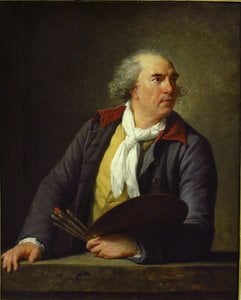
1733 - 1808 , Francja

Explore the breathtaking drama of Baroque landscapes. Our expert guide delves into the interplay of light and shadow in 17th-century masterpieces. Discover art history and find museum-quality, hand-painted oil reproductions to bring classical grandeur to your home.

Odkryj 10 arcydzieł romantyzmu w malarstwie! Poznaj historie Caspara Davida Friedricha, Turnera i innych mistrzów. Inspiracje wnętrzarskie & reprodukcje obrazów najwyższej jakości na WahooArt.com. Eksploruj kolekcję online!

Explore the captivating world of Hubert Robert, master of Romantic landscape painting & 'capriccio' ruins. Discover his historical context, artistic innovations, and collecting insights with WahooArt.

Explore the breathtaking drama of Baroque landscapes. From Rubens's grand vistas to the mastery of chiaroscuro, discover how 17th-century artists transformed nature into a theatrical stage of emotion and light. A deep dive for true art enthusiasts.

Master the art of drama with our ultimate guide to Baroque landscapes. Discover the power of chiaroscuro, explore legendary masters, and learn how to curate epic, dark-vibe masterpieces for your collection with expert insights from WahooArt.
 Podgląd w skali 1:1
 Wyślij jako kartkę
 Udostępnij
 Szczegóły dzieła
 Przewodnik

 Pobierz obraz
 Podobne obiekty
 RTG
RTG Pokaz slajdów
 Pytania i odpowiedzi
 Statystyki


 Rozwiń treść









 Opcja ze szkłem jest dostępna wyłącznie w rozmiarach poniżej 110 cm


