Biografia artysty
A Life Immersed in Movement
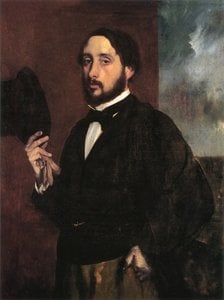
Edgar Degas, właśc. Hilaire-Germain-Edgar de Gas, urodził się w Paryżu w 1834 roku, a zmarł w 1917 roku również w Paryżu. Był artystą o fascynujących sprzecznościach – często grupowany z impresjonistami, takimi jak Monet, Renoir i inni, którzy zrewolucjonizowali malarstwo w drugiej połowie XIX wieku – aktywnie jednak odrzucał tę etykietę, identyfikując się raczej jako realistę. Ta zaangażowanie wynikało z jego dokładnego obserwowania otaczającego go świata oraz oddania w wiernym odwzorowywaniu go bez zbędnych upiększeń. Wczesne życie Degasa było komfortowe i mieszczańskie; jego ojciec był bankierem, a matka pochodziła z rodziny kreolskiej z Nowego Orleanu. Ten pochodzenie zapewniło mu dostęp do edukacji i szkolenia artystycznego, choć często naruszał akademicki schemat. Początkowo zapisał się na Lycée Louis-le-Grand, ale prawdziwa jego edukacja rozpoczęła się, gdy zaczął kopiować dzieła w Luwrze, doskonaląc swoje umiejętności i rozpalając pasję do sztuki klasycznej. Jednak ścieżka Degasa nie była liniowa – charakteryzowała się stałą kwestionowaniem i reevaluacją norm artystycznych. Posiadał niezależny duch, który zdefiniował całe jego życie twórcze.
Beyond Impressionism: A Unique Artistic Vision
Mimo że współcześni mu artyści, tacy jak Monet, poszukiwali ulotnych efektów światła na zewnątrz, Degas w dużej mierze pracował w ograniczeniach swojego warsztatu, starannie konstruując sceny na podstawie obserwacji i pamięci. Jego tematyka była zdecydowanie nowoczesna – odchodząc od historycznych lub mitologicznych tematów, które preferowali wielu malarzy akademickich. Znajdował inspirację w codziennym życiu paryżan: pralki, piosenkarki kabaretowe, krawczyne i, najbardziej znany, tancerki baletniczki. To fascynacja baletem definiuje dużą część jego twórczości. Degas nie malował jedynie pięknych balerinian; uwieczniał okrutną rzeczywistość ich zawodu – nieustanne próby, fizyczne zmęczenie, ulotne chwile wdzięku w świecie ciężkiej pracy. Jego kompozycje są często nietypowe, ustawiając postacie w nieoczekiwanych sposób i wykorzystując asymetryczne ułożenie elementów. Był mistrzem uchwycenia ruchu, nie poprzez rozmyte linie czy mgliste efekty, ale dzięki dokładnej obserwacji i starannemu odwzorowaniu formy. *Dancer, A Group of Dancers* i *Women Combing Their Hair* są doskonałym przykładem jego oddania w wiernym przedstawianiu ludzkiego ciała w ruchu oraz ujawnianiu złożoności współczesnego życia. Nie interesował go powierzchowny piękno; dążył do ukazania prawdy pod powierzchnią.
Influences and Artistic Development
Ścieżka artystyczna Degasa była ukształtowana przez różnorodne wpływy. Jego wczesne szkolenie koncentrowało się na zasadach klasycznych, szczególnie na twórczości Jeana-Auguste-Dominique Ingresa, którego nacisk na rysunek i precyzję formy pozostawił trwały ślad. Jednak Degas podziwiał również realistów, takich jak Gustave Courbet, którzy kwestionowali akademickie konwenanse i promując przedstawianie współczesnego życia. Kluczowym momentem w jego rozwoju było jego związek z Camille Pissarro, liderem impresjonistów, który wprowadził go do innych artystów i zachęcił do eksperymentowania z nowymi technikami. Był oczarowany japońskimi drukami – Ukiyo-e – które wpłynęły na jego użycie asymetrycznych kompozycji, spłaszczonych perspektyw i odważnych wzorów. Eksperymentował również z fotografią, rozpoznając jej potencjał jako narzędzia do badania ruchu i uchwytywania ulotnych chwil w czasie. Ta gotowość do łączenia różnorodnych wpływów w swojej twórczości sprawia, że Degas wyróżnia się spośród innych i przyczynia się do unikalnego charakteru jego dzieł. Nie bał się czerpać inspirację z różnych źródeł, syntetyzując je w coś zupełnie nowego.
Legacy and Lasting Impact
Edgar Degas zmarł w Paryżu w 1917 roku, pozostawiając po sobie twórczość, która nadal fascynuje i inspiruje odbiorców na całym świecie. Jego innowacyjny sposób kompozycji, mistrzowski rysunek i bezkompromisowe przedstawianie współczesnego życia miały głęboki wpływ na bieg historii sztuki. Otworzył drogę dla przyszłych pokoleń artystów, którzy poszukiwali wolności od tradycyjnych konwenansów i chcieliśćw nowej sposób reprezentować otaczający ich świat. Jego wpływ można dostrzec w twórczości Pabla Picassa i Henriego Matisa, wśród innych. Muzea na całym świecie – w tym Musée d'Orsay i Musée de l’Orangerie w Paryżu – przechowują znaczące zbiory jego obrazów, pasteli, rzeźb i rysunków, zapewniając, że jego dziedzictwo przetrwa dla kolejnych pokoleń. Degas nie był jedynie malarzem balerinian lub koni; był uważnym obserwatorem natury ludzkiej, mistrzem formy i ruchu oraz prawdziwym innowatorem, który zrewolucjonizował możliwości sztuki.



 Podgląd w skali
 Switch to Print
 Wyślij jako kartkę
 Udostępnij
 Szczegóły dzieła

 Pobierz
 Podobne obiekty
 RTG
RTG Pokaz slajdów
 Stats
Stats


 Rozwiń treść