Otrzymaj plik gotowy do druku, którego jakość znacznie przewyższa podgląd internetowy. Każdy sprzedawany przez nas obraz cyfrowy pochodzi z wysokorozdzielczego pliku wzorcowego w naszej bazie — zazwyczaj o szerokości od 5 000 do 15 000 pikseli — dzięki czemu możesz drukować w dużym formacie, mocno kadrować lub z pełnym przekonaniem odwzorowywać najdrobniejsze detale.
Żaden plik nie opuszcza naszego studia bez odpowiedniej obróbki. Ekspert ds. cyfrowej edycji sprawdza zgodność kolorów z oryginałem i w razie potrzeby je koryguje, a następnie za pomocą profesjonalnych narzędzi do retuszu poprawia ostrość oraz szczegółowość — zawsze zachowując wierność pociągnięciom pędzla i stylowi artysty. Rezultatem jest obraz, który wygląda jak prawdziwe dzieło, a nie jak przefiltrowany skan.
Zatwierdzasz przed finalizacją zamówienia: nasz ekspert prześle obraz drogą mailową w ciągu 72 godzin do Twojego wglądu. Nie jesteś zadowolony? Poproś o poprawki lub korektę, bądź o zwrot kosztów, jeśli jakość nie spełnia oczekiwań.
To jakość, na której polegają wydawcy, studia projektowe, galerie oraz drukarnie.
Pobierz plik o wysokiej rozdzielczości do osobistego użytku, druku oraz projektów kreatywnych. ( Przełącz na wydania drukowane Zamów ręcznie malowaną reprodukcję)
Wybierając WahooArt.com, nie otrzymujesz jedynie obrazu – otrzymujesz profesjonalnie udoskonalone cyfrowe dzieło sztuki, stworzone z najwyższą precyzją i objęte gwarancją satysfakcji. Oto wszystko, co automatycznie dołączane jest do Twojego zamówienia:
Plik z obrazem cyfrowym w wysokiej rozdzielczości zostanie przesłany na Twój adres e-mail w ciągu 72 godzin od złożenia zamówienia – gotowy do natychmiastowego użycia.
Twoja grafika została profesjonalnie zoptymalizowana przy użyciu zaawansowanych narzędzi AI oraz ręcznej edycji, co zapewnia maksymalną szczegółowość, klarowność i wierność kolorów.
Przypadkowo usunąłeś lub zgubiłeś swój plik? Bez obaw – prześlemy go Tobie ponownie w dowolnym momencie, bez żadnych opłat.
Ciesz się swoją sztuką natychmiast, bez żadnych opłat celnych, należności ani kosztów dostawy – pliki cyfrowe są zawsze wolne od podatku.
Dzięki zastosowaniu profesjonalnych narzędzi i procesów zarządzania barwą zapewniamy, że Twoje cyfrowe zdjęcie odzwierciedla oryginalne kolory tak wiernie, jak to tylko możliwe.
Jeśli nie będziesz zadowolony ze swojego cyfrowego obrazu, dokonamy jego poprawki lub zwrócimy 100% kosztów w ciągu 100 dni – bez zbędnych pytań.
Nie jesteś zadowolony? Otrzymaj pełny zwrot kosztów w ciągu 100 dni od otrzymania pliku cyfrowego – bez zbędnych pytań.
Kup 3 obrazy, oszczędź 10% - Kup 5, oszczędź 15% - Kup 10+, oszczędź 20%. Idealne do projektów kreatywnych, galerii i agencji.
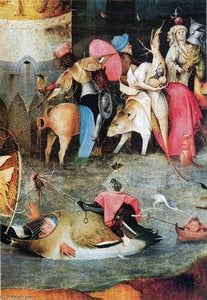
Hieronymus Bosch’s “Ecce Homo,” painted in 1475, is not merely a depiction of the crucifixion; it’s a visceral plunge into the anxieties and moral complexities of late medieval Europe. This arresting image, rendered in tempera on wood panel, immediately confronts the viewer with an unsettling tableau – a scene of profound sorrow and bewildered horror surrounding the figure of Christ. Bosch, a master of psychological realism and symbolic density, doesn't offer a straightforward narrative of sacrifice; instead, he presents a fragmented, almost hallucinatory experience, reflecting the turbulent spiritual climate of his time.
The painting’s setting is deceptively simple: a brick wall, likely representing the Roman edge of Jerusalem, serves as a stark backdrop to the drama unfolding before it. A small crowd gathers – soldiers in gleaming armor, their faces etched with confusion and perhaps even fear; priests and monks, their expressions a mixture of grief and contemplation; and ordinary citizens, frozen in moments of stunned disbelief. The central figure of Christ, hanging on the cross, is not idealized or serene. His face, rendered with an almost brutal honesty, bears the marks of suffering – wounds, contusions, and a palpable sense of agony. It’s this unflinching portrayal of human vulnerability that anchors the scene and elevates it beyond a simple religious illustration.
Bosch was renowned for his intricate use of symbolism, and “Ecce Homo” is a prime example. The swords scattered across the foreground are not simply indicators of violence; they represent the betrayal and bloodshed inherent in Christ’s sacrifice. The presence of animals – a dog licking the feet of Christ (a common symbol of repentance), and a monkey grasping a sword – adds layers of meaning, hinting at the corruption and moral decay within society. The figures themselves are often ambiguous, their gestures and expressions open to multiple interpretations. Some scholars believe the woman pointing at Christ is Mary Magdalene, while others see her as representing the collective grief of humanity. Even the brick wall itself can be interpreted as a barrier between the earthly realm and the divine, emphasizing the separation between God and man.
Furthermore, Bosch’s distinctive style – characterized by meticulous detail, vibrant colors (though faded over time), and an unsettling blend of realism and fantasy – contributes significantly to the painting's emotional impact. The figures are rendered with a remarkable degree of naturalism, yet their expressions and postures convey a sense of unease and disorientation. The background is filled with bizarre, dreamlike imagery—a small, grotesque figure seemingly observing the scene from above—further enhancing the painting’s surreal quality.
Bosch's technique in “Ecce Homo” reveals a skilled artist deeply rooted in the traditions of Netherlandish painting. He employed tempera on wood panel, a medium known for its luminosity and durability. The meticulous detail evident in the rendering of the figures’ clothing, armor, and facial features demonstrates his mastery of observation and representation. However, Bosch pushed beyond mere imitation; he used these techniques to create a world imbued with symbolic meaning and psychological depth.
Painted around 1475, “Ecce Homo” reflects the anxieties prevalent in Europe during this period – a time of religious upheaval, political instability, and growing social unrest. The Black Death had ravaged the continent just decades earlier, leaving a deep scar on the collective psyche. Bosch’s art often explored themes of sin, damnation, and the perils of earthly life, reflecting a widespread sense of moral uncertainty. “Ecce Homo” stands as a powerful testament to this era, offering a haunting glimpse into the spiritual and emotional landscape of 15th-century Europe.
WahooArt offers exquisite, hand-painted reproductions of Hieronymus Bosch’s “Ecce Homo,” meticulously crafted to capture the painting's original beauty and symbolic richness. Bring this extraordinary work of art into your home or office – a captivating conversation piece that invites contemplation and reflection.
Autorstwo dzieła "Ecce Homo" przypisuje się Hieronim Bosch.
"Ecce Homo" powstało przy użyciu Acrylic On Canvas i w swojej oryginalnej formie ma wymiary 71 x 61 cm.
Aby zamówić wydruk dzieła „Ecce Homo” – Hieronim Bosch, wystarczy przejść na jego stronę Wydruk artystyczny premium: szlachetna odbitka na płótnie bawełnianym lub archiwalnym papierze o strukturze płótna.


1450 - 1516 , Holandia
 Podgląd w skali 1:1
 Wyślij jako kartkę
 Udostępnij
 Szczegóły dzieła
 Przewodnik

 Pobierz obraz
 Podobne obiekty
 RTG
RTG Pokaz slajdów
 Q&A
Q&A Statystyki


 Rozwiń treść