DrawingWallArt
 190019th Century
 23.0 x 21.0 cm
 Leo Baeck Institute
Ręcznie malowany obraz olejny na płótnie, wykonany na zamówienie przez naszych artystów w wybranym przez Ciebie wymiarze i oprawie. ( Zamów wydruk Kup obraz wysokiej rozdzielczości)





























Wybierz spośród naszych standardowych rozmiarów, które zachowują oryginalne proporcje dzieła sztuki.

Możesz wprowadzić własne wymiary, aby dopasować obraz do konkretnej ramy lub przestrzeni. Jeśli wybrany rozmiar nie będzie odpowiadał proporcjom oryginału, przytniecie dzieło sztuki lub rozszerzymy je o dodatkowe elementy, ręcznie domalowane przez artystę. Przed rozpoczęciem produkcji wyślemy projekt cyfrowy do Twojej akceptacji.
Należy pamiętać, że podgląd na ekranie nie odzwierciedla rzeczywistego przycinania ani rozszerzania obrazu. Tylko projekt dokładnie pokaże ostateczną kompozycję.
Choć oferujemy możliwość zamówienia niestandardowych rozmiarów, zalecamy wybór wymiaru z gotowej listy, aby zachować oryginalne proporcje dzieła.
Dostawa na całym świecie () w ciągu 3–4 tygodni zamiast standardowych 5 tygodni. (6 Wrzesień). Bez kompromisów w kwestii jakości.


Jerusalem, Russian Building II
Wymiary reprodukcji
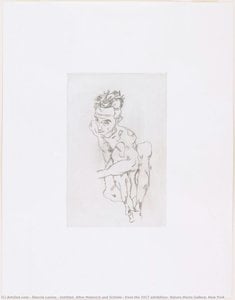
In the delicate, monochromatic strokes of Jerusalem, Russian Building II, we are transported back to the turn of the twentieth century, specifically to the year 1900. This evocative drawing by the esteemed German-Jewish artist Hermann Struck serves as more than just a topographical record; it is a soulful meditation on the pulse of a city in transition. Through his masterful command of line and shadow, Struck captures a moment where the ancient weight of Jerusalem meets the burgeoning energy of a modernizing urban landscape. The scene unfolds with a cinematic quality, inviting the viewer to wander through the bustling streets alongside the figures etched into the paper, feeling the very dust and heat of a historical Levant.
The composition is a masterclass in atmospheric perspective and narrative depth. At first glance, the eye is drawn to the architectural grandeur of the Russian Building, which rises in the background as a silent sentinel over the daily commerce below. Struck utilizes a sophisticated interplay of light and dark to create a sense of immense scale, where the silhouettes of people moving through the plaza become part of a larger, rhythmic dance of life. The inclusion of a horse near the center of the frame acts as a poignant temporal anchor, reminding us of an era before the roar of engines, when the cadence of the city was set by hoofbeats and human footsteps.
As a scholar of die kunst des radierens (the art of etching), Hermann Struck brought a profound technical precision to this work. Even in a drawing format, one can sense the influence of his expertise in printmaking. Every line is deliberate, contributing to a texture that feels both gritty and ethereal. The way he renders the architectural details of the church and surrounding structures demonstrates an incredible ability to balance structural rigidity with the soft, hazy atmosphere of a sun-drenched afternoon. This technique creates a sense of "sfumato" in black and white, where edges blur into the light, lending the piece a dreamlike, nostalgic quality that is deeply captivating.
For the discerning collector or interior designer, this piece offers a unique opportunity to introduce a sense of historical gravity and intellectual depth into a space. The monochromatic palette ensures that it remains a versatile centerpiece, capable of anchoring a room with its quiet elegance without clashing with contemporary color schemes. It is an artwork that rewards prolonged contemplation; the more one looks, the more the tiny, scattered figures reveal their individual stories—a merchant pausing, a traveler passing through, a moment of stillness amidst the movement. To possess a reproduction of this work is to hold a fragment of history, bringing the timeless, spiritual, and architectural essence of old Jerusalem into the modern home.


1876 - 1944 , Niemcy

Explore the captivating journey of street art from urban walls to prestigious galleries. Discover how contemporary graffiti has evolved into a high-end collectible movement, redefining modern interior design and global art culture.

Explore the profound artistry of black and white photography. From historical mastery to the interplay of light and shadow, discover how monochrome captures timeless emotion and form through a sophisticated lens of art history.

Elevate your artistic practice with this expert guide to mastering the line. Discover advanced techniques in graphite, charcoal, and contour drawing designed for art students seeking technical precision and expressive depth in their fine art studies.

Elevate your most cherished memories with WahooArt’s bespoke service. We transform your personal photos into breathtaking, hand-painted black & white oil masterpieces. Experience museum-quality craftsmanship and timeless elegance for your private collection. Discover the art of legacy.

Explore the profound artistry of graphite drawing. Discover professional techniques for mastering depth, texture, and detail through a lens of art history, from classical sketches to modern masterpieces. Elevate your understanding of the pencil medium with our expert guide.

 Podgląd w skali
 Wyślij jako kartkę
 Udostępnij
 Szczegóły dzieła

 Pobierz
 Podobne obiekty
 RTG
RTG Pokaz slajdów
 Rozwiń treść







 Opcja ze szkłem jest dostępna wyłącznie w rozmiarach poniżej 110 cm