Zobacz w skali 1:1 Zobacz w AR Przełącz na wersję drukowaną Przełącz na wersję cyfrową Wyślij
Szczegóły Przewodnik Dodaj do ulubionych Pobierz plik obrazu Podobne obiekty RTG Pokaz slajdów Statystyki

Two Trees

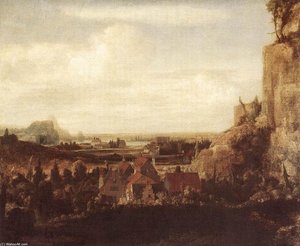
Explore Hercules Seghers' masterpiece 'Two Trees,' a stunning baroque etching depicting two majestic trees against a serene blue sky, housed at the Rijksmuseum in Amsterdam.

Odkryj Herculesa Seghersa (1590-1638), malarza i grafika holenderskiego Złotego Wieku! Poznaj jego innowacyjne pejzaże, eksperymentalne techniki i wyjątkową wizję artystyczną.

Ręcznie malowana reprodukcja olejowa

Ręcznie malowany obraz olejny na płótnie, wykonany na zamówienie przez naszych artystów w wybranym przez Ciebie wymiarze i oprawie. ( Przełącz na wersję drukowaną Przełącz na wersję cyfrową)

Corner sample of the P118B picture frame: polistyren formowany, 5 cm wide and 3 cm thick
P118B 10
Corner sample of the P118H picture frame: polistyren formowany, 5 cm wide and 3 cm thick
P118H 10
Corner sample of the P118W picture frame: polistyren formowany, 5 cm wide and 3 cm thick
P118W 10
Corner sample of the P438Z picture frame: polistyren formowany, 5.5 cm wide and 3.5 cm thick
P438Z 10
Corner sample of the P508JH picture frame: polistyren formowany, 7 cm wide and 3.5 cm thick
P508JH 12
Corner sample of the P508YH picture frame: polistyren formowany, 7 cm wide and 3.5 cm thick
P508YH 12
Corner sample of the P805H picture frame: polistyren formowany, 5 cm wide and 3.5 cm thick
P805H 10
Corner sample of the P805Z picture frame: polistyren formowany, 5 cm wide and 3.5 cm thick
P805Z 10
Corner sample of the P919BZ picture frame: polistyren formowany, 7 cm wide and 3.5 cm thick
P919BZ 10
Corner sample of the P919G picture frame: polistyren formowany, 7 cm wide and 3.5 cm thick
P919G 10
Corner sample of the P919XJ picture frame: polistyren formowany, 7 cm wide and 3.5 cm thick
P919XJ 10
Corner sample of the P959ZH picture frame: polistyren formowany, 5 cm wide and 3 cm thick
P959ZH 10
Corner sample of the P968JZ picture frame: polistyren formowany, 6 cm wide and 4 cm thick
P968JZ 12
Corner sample of the W106C picture frame: lite drewno, 5 cm wide and 3 cm thick
W106C 8
Corner sample of the W218G picture frame: lite drewno, 5 cm wide and 3 cm thick
W218G 10
Corner sample of the W218JH picture frame: lite drewno, 5 cm wide and 3 cm thick
W218JH 8
Corner sample of the W218Y picture frame: lite drewno, 5 cm wide and 3 cm thick
W218Y 10
Corner sample of the W307PJ picture frame: lite drewno, 6 cm wide and 3 cm thick
W307PJ 10
Corner sample of the W316G picture frame: lite drewno, 6 cm wide and 3 cm thick
W316G 10
Corner sample of the W316PJ picture frame: lite drewno, 6 cm wide and 3 cm thick
W316PJ 8
Corner sample of the W316Y picture frame: lite drewno, 6 cm wide and 3 cm thick
W316Y 10
Corner sample of the W398PJ picture frame: lite drewno, 5 cm wide and 3 cm thick
W398PJ 8
Corner sample of the W4111J picture frame: lite drewno, 6.5 cm wide and 3.5 cm thick
W4111J 10
Corner sample of the W500HY picture frame: lite drewno, 7 cm wide and 5 cm thick
W500HY 15
Corner sample of the W500JH picture frame: lite drewno, 7 cm wide and 5 cm thick
W500JH 15
Corner sample of the W692G picture frame: lite drewno, 8 cm wide and 4 cm thick
W692G 12
Corner sample of the W849H picture frame: lite drewno, 5 cm wide and 3 cm thick
W849H 8
Corner sample of the W940BG picture frame: lite drewno, 7.5 cm wide and 4.5 cm thick
W940BG 15
Corner sample of the W953PJ picture frame: lite drewno, 6 cm wide and 3.5 cm thick
W953PJ 8

Standardowy
na zamówienie
CM
INCH

Wybierz spośród naszych standardowych rozmiarów, które zachowują oryginalne proporcje dzieła sztuki.

szerokość
wysokość

Wpisz wymaganą szerokość i wysokość, aby obraz pasował do Twojej ramy lub ściany. Ponieważ jest to dzieło malowane ręcznie, w przypadku rozmiaru o innym proporcji artysta może domalować nieco więcej wokół obrazu lub przyciąć fragmenty — wybór należy do Ciebie. Przed rozpoczęciem pracy prześlemy Ci cyfrową wizualizację do zatwierdzenia. Obraz widoczny na tej stronie nie przedstawia rzeczywistego efektu — jedynie wizualizacja oddaje realny rezultat.

Przykłady możliwych zmian: Zamień twarz na zdjęcie klienta; Dodaj zwierzę domowe (np. zamień kota na psa); Ukryj wiadomość w tle; Zmień krajobraz lub elementy tła.
Po złożeniu zamówienia zespół WahooArt.com skontaktuje się z klientem drogą mailową w celu uzyskania instrukcji i prześle wizualizację projektu

Dostawa na całym świecie () w ciągu 3–4 tygodni zamiast standardowych 5 tygodni. (22 Październik). Bez kompromisów w kwestii jakości.

Bezpłatna ekspresowa wysyłka na cały świat
Wysokiej jakości płótno lniane
Pełne ubezpieczenie transportowe
Gwarancja zwrotu należności celnych i podatków importowych
Gwarancja idealnego odwzorowania barw
100-dniowy okres na zwrot dzieła w przypadku wykrycia wad produkcyjnych
Gwarancja 100% zwrotu pieniędzy
Oferta przy zakupie wielu sztuk

Cena całkowita

zł 1044

Two Trees

Technika wykonania

Rozmiar reprodukcji

-

Suma do zapłaty

zł 1044

Kluczowe informacje

  • Year: 1625
  • Notable elements or techniques: Innovative printmaking
  • Location: Rijksmuseum, Amsterdam
  • Subject or theme: Trees and Woods
  • Dimensions: 155 x 173 cm
  • Artistic style: Landscape

Quiz wiedzy o sztuce

Do każdego pytania dotyczy tylko jedna poprawna odpowiedź.

Pytanie 1:
What artistic movement is Hercules Seghers’s ‘Two Trees’ associated with?
Pytanie 2:
Where is the painting 'Two Trees' currently housed?
Pytanie 3:
What technique did Hercules Seghers primarily employ in creating this artwork?
Pytanie 4:
The etching 'Two Trees' exemplifies a characteristic feature of landscape painting during the Golden Age of Dutch Art. What is that feature?
Pytanie 5:
Who was Hercules Seghers’s influential teacher in landscape painting?

Hercules Seghers’ Two Trees: A Vision of Tranquility Amidst Alpine Majesty

Hercules Pieterszoon Seghers (1590 – c. 1638) stands as a singular figure in the Dutch Golden Age landscape tradition, celebrated for his audacious experimentation with printmaking and his ability to capture the sublime beauty of mountainous vistas. “Two Trees,” created around 1625, exemplifies this distinctive approach—a masterful etching that transcends mere depiction to convey an atmosphere of profound serenity and spiritual contemplation.

The artwork presents a meticulously rendered scene featuring two trees positioned prominently in the center of the composition. One tree is mature and robust, its branches laden with dense foliage, while the other is younger, displaying delicate twigs emerging from the trunk—a subtle gesture hinting at regeneration and resilience. The trees are set against a backdrop of towering alpine peaks bathed in soft, diffused light, creating an illusion of depth that draws the viewer’s eye upwards into the expansive sky.

Seghers' technique is remarkable for its departure from conventional methods. Unlike many artists of his time who relied solely on black ink to achieve tonal effects, Seghers skillfully employed a combination of etching and aquatint—a process involving multiple plates inked with varying degrees of opacity—to produce nuanced gradations of color. The use of azurite and precipitated yellow lake pigments lends the image an ethereal quality, capturing the subtle hues of twilight and enhancing the overall impression of grandeur.

The etching’s historical context is crucial to understanding its significance. Produced during a period marked by intellectual ferment and artistic innovation—the Baroque era—“Two Trees” reflects the burgeoning interest in exploring themes of spirituality and contemplation within the natural world. Seghers' inspiration drew heavily from Flemish landscape painters like Abraham van Ouhibbee, who had pioneered the depiction of dramatic mountainscapes infused with religious symbolism.

More than just a visual representation of scenery, “Two Trees” embodies a philosophical stance rooted in humanist ideals. The tree imagery—particularly the young sapling—represents hope and renewal, mirroring the broader humanist preoccupation with the cyclical nature of life and the enduring power of beauty to uplift the human spirit. Its placement against the majestic Alps underscores the grandeur of God’s creation and invites viewers to contemplate the sublime.

Currently housed at the Rijksmuseum in Amsterdam, “Two Trees” remains a testament to Seghers' artistic genius—a timeless masterpiece that continues to inspire admiration for its technical virtuosity and emotional resonance. It serves as an enduring reminder of the Dutch Golden Age’s fascination with capturing the sublime beauty of nature and conveying profound spiritual truths.

Pytania i odpowiedzi

Jaką nasycenie i intensywność prezentuje „Two Trees” autorstwa Hercules Seghers?

Kolor dzieła "Two Trees" charakteryzuje się nasyceniem na poziomie Balanced Soft oraz intensywnością wynoszącą Vivid.

Z jakich materiałów wykonano "Two Trees" i w jakim stylu?

"Two Trees" powstało przy użyciu Etching, w stylu Baroque.

Czy mogę zobaczyć „Two Trees” autorstwa Hercules Seghers w różnym oświetleniu?

Widok rentgenowski dzieła „Two Trees” autorstwa Hercules Seghers znajduje się na stronie Prześwietlenie utworu: to interaktywna analiza obrazu poprzez jedenaście warstw optycznych.


Biografia artysty

Hercules Seghers: Życie zapisane w krajobrazie i grafice

  • Urodzony: Haarlem, Holandia (ok. 1590)
  • Zmarł: ok. 1638

Wczesne lata i kształtowanie talentu

  • Hercules Pieterszoon Seghermek urodził się w Haarlem jako syn menonickiego kupca tkanin, którego korzenie sięgały Flandrii.
  • W 1596 roku jego rodzina przeniosła się do Amsterdamu, co otworzyło przed nim nowe perspektywy.
  • Jego droga artystyczna rozpoczęła się pod okiem Gillisa van Coninxloo, wybitnego flamandzkiego mistrza pejzażu, jednak ta nauka została przerwana przez śmierć mentora w 1606 roku. Seghers wraz z ojcem zdołali jednak przejąć kilka dzieł Coninxloo po odejściu artysty.
  • Po śmierci ojca w 1612 roku, powrócił do Haarlem, gdzie oficjalnie dołączył do prestiżowego cechu św. Łukasza.

Rozwój artystyczny i unikalny styl

  • Seghers zapisał się w historii jako „najbardziej natchniony, eksperymentalny i oryginalny twórca pejzaży” swojej epoki, zdobywając sławę przede wszystkim dzięki nowatorskim technikom graficznym.
  • Jego malarstwo często przedstawia fantastyczne, górzyste kompozycje o szerokiej, horyzontalnej perspektywie, w których to ziemia, a nie niebo, dominuje nad widzem.
  • Artysta bezustannie poszukiwał nowych form wyrazu, eksperymentując z miedziorytami, suchą igłą oraz akwatintą – w tym z niezwykłą techniką „cukrowego trawienia” – aby uzyskać niepowtarzalne efekty teksturalne.
  • Grafiki Seghersa wyróżniają się zastosowaniem kolorowego papieru lub płótna, barwnych tuszów oraz ręcznego kolorowania, co sprawia, że jego odbitki często przypominają miniaturowe obrazy.
  • W jego twórczości wyraźnie wyczuwalne są echa stylu wcześniejszych mistrzów, takich jak Joos de Momper czy Gillis van Coninxloo.

Najważniejsze osiągnięcia i innowacje

    Innowacyjna grafika: Największym wkładem Seghersa w sztukę były jego eksperymentalne techniki graficzne, ze szczególnym uwzględnieniem akwatinty metodą cukrowego trawienia, która została później ponownie odkryta w Anglii.
  • Unikalne pejzaże: Jego krajobrazy charakteryzują się surowością, oryginalnością i często niemal nieziemskim charakterem; potrafił on przedstawić formacje skalne przypominające obce, nieznane nam światy.
  • Wpływ na Rembrandta: Wielki Rembrandt był kolekcjonerem dzieł Seghersa i czerpał z jego malarstwa oraz miedziorytów, włączając elementy jego stylu do własnych kompozycji, co świadczy o potędze oddziaływania wizji Seghersa.
  • Różnorodność odbitek: W przeciwieństwie do wielu współczesnych mu grafików, Seghers tworzył wiele różnych odbitek z tej samej płyty, zmieniając ich kolorystykę i dodając ręczne zdobienia, by każda praca stała się unikatowym dziełem sztuki.

Znaczenie historyczne

  • Choć za życia twórczość Seghersa cieszyła się dużym uznaniem, pod koniec życia artysta musiał mierzyć się z trudnościami finansowymi.
  • Samuel van Hoogstraten w swoim dziele Inleyding tot de hooge schoole der schilderkonst przedstawiał Seghersa jako niezrozumianego geniusza, co znacząco wpłynęło na jego pośmiertną legendę.
  • Dziś uznaje się go za pioniera grafiki pejzażowej i kluczową postać Złotego Wieku w Holandii, cenioną za odważne eksperymenty i unikalną wizję artystyczną.
  • Jego dziedzictwo przetrwało w pracach późniejszych artystów, którzy przejęli jego nowatorskie metody druku i docenili niepodrabialny styl mistrza.
Hercules Seghers

Hercules Seghers

1590 - 1638 , Holandia

Najważniejsze informacje

  • Artistic Movement Or Style: Złoty Wiek Holandii
  • Artists Or Movements Influenced By This Artist: ['Rembrandt']
  • Artists Who Influenced This Artist:
    • Gillis van Coninxloo
    • Joos de Momper
  • Date Of Birth: ok. 1590
  • Date Of Death: ok. 1638
  • Full Name: Hercules Pieterszoon Seghers
  • Nationality: Holender
  • Notable Artworks:
    • Krajobraz górski
    • Dolina górska z ogrodzonymi polami
    • Wielkie drzewo
  • Place Of Birth: Haarlem, Holandia