Biografia artysty
A Life Interrupted, A Vision Forged: The Story of Henry Wolf
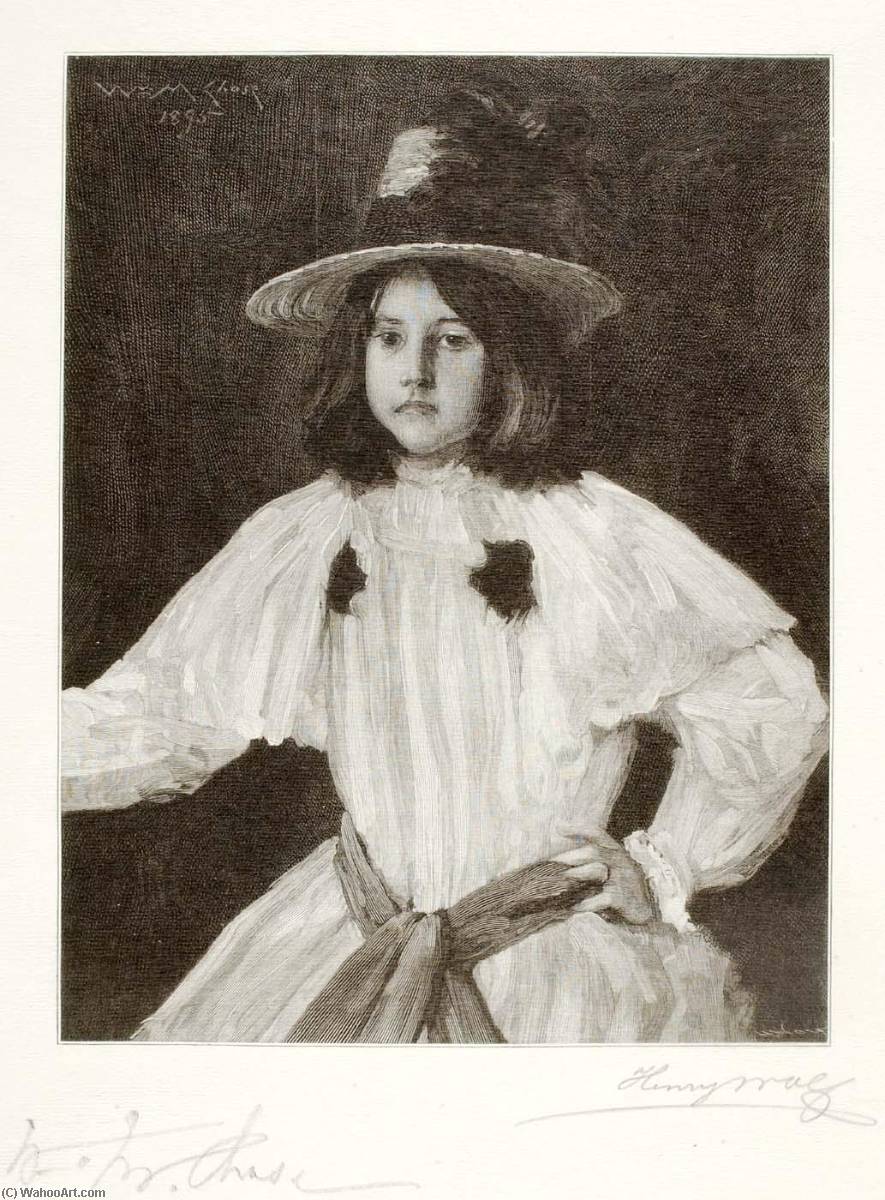
Henry Wolf’s life unfolded as a remarkable tapestry woven from threads of displacement, resilience, and an unwavering dedication to visual communication. Born in Vienna in 1925 into a prosperous Jewish family, his early years were characterized by the comforts of a cultured upbringing – a world of music, art, and intellectual pursuits. This idyllic existence was tragically shattered in 1938 with the arrival of the Anschluss, plunging his family into a harrowing odyssey through France and North Africa, desperately seeking refuge from the escalating threat of Nazi persecution. These years, marked by uncertainty, deprivation, and the chilling experience of internment in detention camps, instilled within him an acute sensitivity to the power of visual language – perhaps as a means of navigating a world increasingly defined by chaos and fear. The eventual relocation to the United States in 1941 offered a haven, but also demanded a profound adaptation and reinvention. This formative experience wasn’t merely a biographical footnote; it was the crucible that forged his unique aesthetic sensibility—a potent blend of European sophistication tempered by American dynamism. His service in the army from 1943 to 1946 broadened his perspective further, exposing him to diverse cultures and challenging his preconceived notions.
From Photographic Mentorship to Magazine Revolution
Post-war New York became Henry Wolf’s creative laboratory—a vibrant hub where he honed his skills under the tutelage of some of the era's most influential figures in photography: Richard Avedon, Melvin Sokolsky, and Art Kane. These masters imparted not only technical mastery but also a discerning eye for composition, lighting, and storytelling – elements that would become cornerstones of Wolf’s distinctive style. His professional journey began with an apprenticeship at McCann-Erickson, where he gained invaluable experience in advertising design. However, it was his appointment as art director at Esquire magazine in 1952 that truly catapulted him to prominence. At the time, Esquire was undergoing a significant transformation under Arnold Gingrich, seeking to elevate its image beyond mere sensationalism and embrace a more sophisticated approach. Wolf seized this opportunity with remarkable vision, injecting a new level of elegance, wit, and visual sophistication into the publication’s design. He moved away from the cluttered lettering and sentimental illustrations that had previously dominated the magazine's aesthetic, embracing bold layouts, refined typography, and striking photographic imagery. His covers were particularly innovative—often employing clever photographic concepts that subtly referenced Esquire’s iconic mustachioed mascot, Esky, creating a memorable and instantly recognizable brand identity. This wasn’t simply about aesthetics; it was a deliberate strategy to redefine the standards of men's magazines – to elevate them into vehicles for intelligence, style, and artistic expression.
A Trilogy of Influence: Harper’s Bazaar, Show, and Beyond
Wolf’s influence extended far beyond the pages of Esquire. In 1958, he assumed the prestigious role of art director at Harper’s Bazaar, a position that allowed him to further refine his aesthetic sensibilities within the realm of high fashion. He collaborated closely with leading photographers and illustrators, creating visually arresting spreads that pushed the boundaries of editorial design and showcased the magazine's commitment to beauty, luxury, and artistic innovation. Three years later, he embarked on another ambitious project: launching Show magazine for Huntington Hartford. This new venture provided Wolf with unprecedented creative freedom—a space where he could experiment with unconventional layouts, bold typography, and provocative photographic imagery, challenging conventional norms and establishing a distinct visual identity. However, his time in advertising – first at McCann-Erickson in 1965, then as a partner at Trahey/Wolf – demonstrated his remarkable versatility. He brought the same meticulous attention to detail and conceptual rigor to campaigns for renowned brands such as Alka Seltzer, Buick, Gillette, and Coca-Cola, proving that his design principles transcended the boundaries of editorial work.
The Legacy of Innovation: Teaching and Enduring Impact
In 1971, Henry Wolf established Henry Wolf Productions, a studio dedicated to photography, film, and design—a space where he could pursue personal projects and nurture emerging talent. Simultaneously, he recognized the importance of passing on his knowledge and experience to future generations of designers. He generously shared his expertise as an instructor at Parsons School of Design, the School of Visual Arts, and Cooper Union, inspiring countless students with his passion for visual communication and his unwavering commitment to excellence. His teaching philosophy emphasized problem-solving, conceptual thinking, and a relentless pursuit of innovative solutions—principles that resonated deeply with his students and shaped their own creative approaches. Wolf’s contributions were widely recognized throughout his career, culminating in prestigious awards such as the American Institute of Graphic Arts Medal for Lifetime Achievement (1976) and induction into the Art Directors Club Hall of Fame (1980). His passing in 2005 marked the end of an era, but his legacy continues to inspire designers and visual communicators today.
A Lasting Impact on Visual Culture
Henry Wolf’s influence extends far beyond the pages of the magazines he transformed—he fundamentally altered the landscape of editorial design, elevating it from a purely functional craft to a sophisticated art form. His emphasis on visual clarity, conceptual rigor, and elegant aesthetics continues to inform contemporary graphic design practices. He championed collaboration between designers, photographers, and illustrators, recognizing that the most compelling visual narratives emerged from a synthesis of diverse talents. Wolf’s dedication to teaching ensured that his principles would be carried forward by future generations of designers, solidifying his place as a true pioneer in the field. His work stands as a testament to the power of visual storytelling, elegant typography, and innovative layout—principles that remain relevant and inspiring today.


 Zobacz w skali 1:1
 Przełącz na wersję drukowaną
 Wyślij
 Udostępnij
 Szczegóły
 Przewodnik

 Pobierz plik obrazu
 Podobne obiekty
 RTG
RTG Pokaz slajdów
 Statystyki


 Czytaj więcej






































 Opcja ze szkłem jest dostępna wyłącznie w rozmiarach poniżej 110 cm


