Początki i Formowanie się Wizji Artystycznej
Henri Émile Benoît Matisse, urodzony 31 grudnia 1869 roku w sennym miasteczku Le Cateau-Cambrésis na północy Francji, początkowo zdawał się przeznaczony do zupełnie innej ścieżki życiowej. Po ukończeniu szkoły średniej podjął studia prawnicze w Paryżu, lecz los odwrócił jego plany w 1889 roku, gdy nagłe zapalenie wyrostka robaczkowego zmusiło go do długiej rekonwalescencji. W czasie przymusowego odpoczynku odkrył ukryty talent i pasję – malarstwo. Zestaw farb podarowany przez matkę okazał się nie tylko formą rozrywki, ale prawdziwym objawieniem, punktem zwrotnym, który skierował go na drogę artystyczną. Wychowany w rodzinie kupców zboża w Bohain-en-Vermandois, Matisse początkowo wydawał się mało prawdopodobnym kandydatem na bohemistycznego malarza, jednak ziarno zostało zasiane i zaczęło kiełkować podczas powolnej rekonwalescencji. Wkrótce zapisał się do Académie Julian, a następnie do École Nationale des Beaux-Arts, gdzie studiował pod okiem Williama-Adolphe’a Bouguereau oraz Gustave’a Moreau, przyswajając klasyczne techniki malarskie, które stanowiły solidny fundament dla jego przyszłych innowacji. Jego wczesne prace świadczyły o opanowaniu warsztatu, lecz brakowało im indywidualnego charakteru, który miał uczynić go jednym z najważniejszych artystów XX wieku.
Rozkwit Fauwizmu i Odważne Eksperymenty Kolorystyczne
Przełomowy moment w życiu Matisse’a nastąpił w 1896 roku podczas pobytu w Belle-Île z australijskim malarzem Johnem Russellem. To spotkanie okazało się transformacyjne. Russell wprowadził go w fascynujący świat impresjonizmu, a co ważniejsze – do pełnych emocji płócien Vincenta van Gogha. Wpływ ten był ogromny. Ekspresyjna gra kolorów Van Gogha zburzyła dotychczasową powściągliwość Matisse’a, skłaniając go do śmielszych i bardziej subiektywnych poszukiwań. Zaczynając odchodzić od stonowanych barw ziemi, zaczął sięgać po odcienie rezonujące z uczuciami, a nie wiernym odwzorowaniem rzeczywistości. Ta eksploracja doprowadziła do narodzin Fauwizmu około 1905 roku – ruchu, w którym Matisse stał się czołową postacią. Sama nazwa, oznaczająca „dzikie bestie”, początkowo miała charakter pejoratywny i została użyta przez krytyka wobec szokująco żywych i nienaturalnych barw prezentowanych na Salonie Jesiennym.
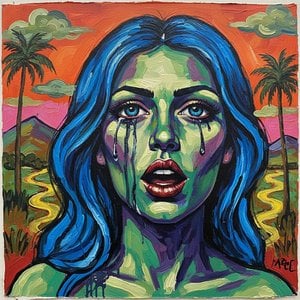
Matisse, obok artystów takich jak André Derain i Maurice de Vlaminck, propagował intensywność koloru jako samodzielny element ekspresji, upraszczając formy w celu wzmocnienia jego oddziaływania. Obraz „The Gourds” (1905) jest doskonałym przykładem tego stylu – feeria czerwieni, zieleni i żółci nałożonych z wolnością, ignorując tradycyjną perspektywę i wierne odwzorowanie rzeczywistości. Charakterystycznymi cechami Fauwizmu były intensywnie nasycone palety barw, uproszczone kształty, ekspresyjny pociągnięcie pędzla oraz świadome odrzucenie konwencjonalnego realizmu na rzecz emocjonalnego oddziaływania.
Dojrzałość i Harmonia Dekoracyjna
Po początkowym entuzjazmie związanym z Fauwizmem, styl Matisse’a przeszedł subtelną, lecz znaczącą ewolucję. Choć nigdy nie porzucił miłości do koloru, jego prace stały się bardziej wyrafinowane, skłaniając się ku estetyce dekoracyjnej, która podkreślała spłaszczone formy i misternie zdobione wzory. Eksplorował tematykę wypoczynku, życia domowego oraz ludzkiej postaci w spokojnych sceneriach, tworząc kompozycje pełne harmonii i emocjonalnego rezonansu. Przeprowadzka do Nicei na Lazurowym Wybrzeżu w 1917 roku jeszcze bardziej wpłynęła na tę zmianę, nadając jego pracom poczucie spokoju i klasycznej równowagi. Zaczął koncentrować się na tworzeniu otoczeń – obrazów, rzeźb i przedmiotów dekoracyjnych – które otulały widza atmosferą piękna i ukojenia. W tym okresie eksperymentował z różnymi mediami, w tym ceramiką i tkaninami, rozszerzając swoją wizję artystyczną poza tradycyjny format płótna. Nie ograniczał się jedynie do przedstawiania scen; konstruował światy zaprojektowane tak, aby wywoływać określone emocje.
Późne Lata: Innowacja Przez Ograniczenia
Wraz z pogarszającym się stanem zdrowia, który ograniczył zdolność Matisse’a do malowania w konwencjonalny sposób, artysta wkroczył na niezwykły nowy etap swojej twórczości – tworzenie kolaży papierowych, zwanych *découpages*. Powstałe około 1947 roku prace były odpowiedzią na przymusowe okoliczności. Unieruchomiony w wózku inwalidzkim nie mógł fizycznie stać i malować, ale nadal potrafił manipulować papierem za pomocą nożyczek. To, co zaczęło się jako praktyczne rozwiązanie, przerodziło się w przełomową technikę artystyczną. Malował duże arkusze papieru w jaskrawych kolorach, a następnie wycinał z nich kształty – organiczne formy, liście, postacie – i układał je na płótnie, tworząc kompozycje pełne dynamiki i pozornej prostoty. Te *découpages* nie były jedynie substytutem malarstwa; reprezentowały nowy sposób myślenia o kolorze, formie i kompozycji. Kontynuował w nich całożyciowe poszukiwania tych elementów, demonstrując niezgasłą artystyczną wizję nawet w obliczu fizycznych ograniczeń.
- Technika wycinania z papieru pozwoliła mu osiągnąć czystość formy i koloru, trudną do uzyskania za pomocą farb.
- Prace te często nawiązywały do wcześniejszych tematów i motywów z jego obrazów, prezentując je w świeży i innowacyjny sposób.
- Pokazały jego zdolność do adaptacji i ewolucji jako artysty przez całą karierę.
Trwałe Dziedzictwo: Wpływ Matisse’a na Sztukę Współczesną
Henri Matisse zmarł w Nicei w 1954 roku, pozostawiając po sobie bogate dziedzictwo, które nadal inspiruje i fascynuje odbiorców na całym świecie. Jego wpływ na świat sztuki jest niezaprzeczalny; podważył konwencjonalne pojęcia reprezentacji, propagował ekspresyjną moc koloru oraz utorował drogę przyszłym pokoleniom artystów. Często porównywany do Pabla Picassa jako jednego z najbardziej wpływowych twórców XX wieku, Matisse fundamentalnie ukształtował modernizm. Jego spuścizna wykracza poza same dzieła sztuki – obejmuje filozofię celebrującą radość, piękno i transformacyjny potencjał koloru. Nie malował tego, co widział; tworzył emocjonalne doświadczenie dla odbiorcy, zapraszając go do podzielenia się jego wizją świata skąpanego w świetle i jaskrawych barwach. Wpływ
Matisse’a można dostrzec w niezliczonych pracach artystów z różnych dziedzin, umacniając jego pozycję jako prawdziwego mistrza sztuki nowoczesnej – malarza, który odważył się widzieć świat nie takim, jaki jest, ale takim, jakim mógłby być, pełnym koloru, harmonii i nieskończonych możliwości.



 Zobacz w skali 1:1
 Kup ręcznie malowany obraz
 Wyślij
 Udostępnij
 Szczegóły
 Przewodnik

 Pobierz plik obrazu
 Podobne obiekty
 RTG
RTG Pokaz slajdów
 Statystyki


 Czytaj więcej






































 Opcja ze szkłem jest dostępna wyłącznie w rozmiarach poniżej 110 cm