


Druk giclée lub płótno o jakości muzealnej, szybka realizacja i szeroki wybór opcji wykończenia. ( Zamów ręcznie malowaną reprodukcję Kup obraz wysokiej rozdzielczości)





























Wybierz spośród naszych standardowych rozmiarów, które zachowują oryginalne proporcje dzieła sztuki.

Możesz wprowadzić własne wymiary, aby dopasować dzieło do konkretnej ramy lub przestrzeni. Jeśli wybrany rozmiar nie będzie odpowiadał proporcjom oryginalnego obrazu, przytniecie dzieło lub rozszerzymy obraz za pomocą odbicia lustrzanego lub jednolitego wypełnienia krawędzi. Przed rozpoczęciem produkcji prześlemy cyfrową wizualizację do Twojej akceptacji.
Prosimy pamiętać, że podgląd na ekranie nie odzwierciedla faktycznego przycinania ani rozszerzania. Tylko wizualizacja dokładnie pokaże końcową kompozycję.
Mimo dostępności niestandardowych rozmiarów, zalecamy wybór wymiaru z listy zdefiniowanej, aby zachować oryginalne proporcje.
Dostawa na cały świat () w ciągu 2 tygodni zamiast standardowych 4/5 tygodni. (7 Wrzesień)


L'Arbre de Vie
Wymiary reprodukcji
Henri Matisse’s “L’Arbre de Vie,” painted in 1949, stands as a testament to the artist’s unwavering commitment to expressive color and simplified form—principles that cemented his place among the titans of modern art. This seemingly unassuming depiction of a tree transcends mere botanical representation; it embodies a profound meditation on life itself, reflecting Matisse's deeply held beliefs about spirituality and artistic liberation.
Born in Le Cateau-Cambrésis in 1869, Henri Émile Benoît Matisse’s journey to artistic prominence began unexpectedly. Initially pursuing law studies in Paris after secondary school, a debilitating appendicitis attack forced him to reconsider his ambitions—a fortuitous circumstance that propelled him toward the transformative embrace of painting.
Initially drawn to Impressionism and Neo-Impressionism, Matisse swiftly abandoned these stylistic constraints, forging ahead with Fauvist experimentation. Influenced by artists like Georges Seurat and Paul Cézanne, he championed a radical departure from academic conventions, prioritizing color above all else. This bold decision—to prioritize hue over meticulous detail—became the cornerstone of his artistic vision.
The historical context surrounding “L’Arbre de Vie” is inextricably linked to Matisse's engagement with Jewish mysticism—Kabbalah—which profoundly shaped his artistic philosophy. Seeking solace amidst the anxieties of wartime Europe, he envisioned the tree as a symbol of resilience and regeneration—a visual embodiment of spiritual renewal.
More than just an aesthetically pleasing composition, “L’Arbre de Vie” resonates with viewers on an emotional level. Its harmonious blend of color and form invites contemplation, prompting reflection on themes of growth, harmony, and the enduring beauty of nature. It exemplifies Matisse's unwavering belief that art could serve as a conduit for spiritual experience—a legacy that continues to inspire artists and collectors alike.
Consider commissioning a meticulously crafted reproduction of this iconic artwork – a beautiful addition to any interior space and a captivating reminder of Matisse’s enduring artistic vision. Explore similar masterpieces by Toulouse-Lautrec and delve into the rich tapestry of Symbolist art at Musée Nissim de Camondo for further inspiration.


1869 - 1954 , Francja

Explore the vibrant revolution of Fauvism. Discover how masters like Matisse liberated color to redefine modern art. Dive into an expert-led journey through the 'Wild Beasts' movement and learn how to bring this bold, expressive energy into your personal collection.

Explore the vibrant world of Fauvism with our expert guide. Discover how Matisse and Derain revolutionized art through bold colors and expressive strokes. Perfect for classic art enthusiasts seeking to deepen their passion for modern masterpieces.
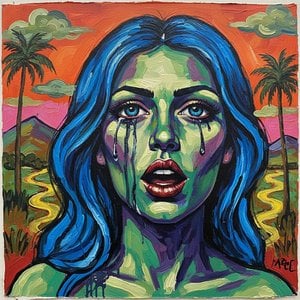
Embark on a journey through the vibrant world of Fauvism. Discover how masters like Henri Matisse revolutionized art through bold colors and raw emotion in this expert-led guide to one of modern art's most powerful movements.

 Podgląd w skali
 Wyślij jako kartkę
 Udostępnij
 Szczegóły dzieła

 Pobierz
 Podobne obiekty
 RTG
RTG Pokaz slajdów

 Rozwiń treść







 Opcja ze szkłem jest dostępna wyłącznie w rozmiarach poniżej 110 cm


