Zobacz w skali 1:1 Zobacz w AR Kup ręcznie malowany obraz Przełącz na wersję cyfrową Wyślij
Szczegóły Przewodnik Dodaj do ulubionych Pobierz plik obrazu Podobne obiekty RTG Pokaz slajdów Statystyki

Path through a Normandy Village

Experience tranquility with Henri-Joseph Harpignies' 'Path through a Normandy Village.' This Impressionist landscape captures rural life & atmospheric beauty.

Poznaj Henri-Josepha Harpigniesa – mistrza Barbizonu! Jego spokojne krajobrazy i idylliczne pejzaże Francji zachwycą Cię pięknem natury oraz umiejętnością malarza.

Giclée / Wydruk artystyczny

Wydruki giclée lub płótna o jakości muzealnej, szybka realizacja i szeroki wybór opcji wykończenia. ( Kup ręcznie malowany obraz Przełącz na wersję cyfrową)

Standardowy
na zamówienie
CM
INCH

Wybierz spośród naszych standardowych rozmiarów, które zachowują oryginalne proporcje dzieła sztuki.

szerokość
wysokość

Możesz wprowadzić własne wymiary, aby dopasować dzieło do konkretnej ramy lub przestrzeni. Jeśli wybrany rozmiar nie będzie odpowiadał proporcjom oryginalnego obrazu, przytniecie dzieło lub rozszerzymy obraz za pomocą odbicia lustrzanego lub jednolitego wypełnienia krawędzi. Przed rozpoczęciem produkcji prześlemy cyfrową wizualizację do Twojej akceptacji.
Prosimy pamiętać, że podgląd na ekranie nie odzwierciedla faktycznego przycinania ani rozszerzania. Tylko wizualizacja dokładnie pokaże końcową kompozycję.
Mimo dostępności niestandardowych rozmiarów, zalecamy wybór wymiaru z listy zdefiniowanej, aby zachować oryginalne proporcje.

Dostawa na cały świat () w ciągu 2 tygodni zamiast standardowych 4/5 tygodni. (23 Wrzesień)

why_choose_icon
Bezpłatna ekspresowa wysyłka na cały świat
why_choose_icon
Wysokiej jakości płótno lniane
why_choose_icon
Pełne ubezpieczenie transportowe
why_choose_icon
Gwarancja zwrotu należności celnych i podatków importowych
why_choose_icon
Gwarancja idealnego odwzorowania barw
why_choose_icon
100-dniowy okres na zwrot dzieła w przypadku wykrycia wad produkcyjnych
why_choose_icon
Gwarancja 100% zwrotu pieniędzy
why_choose_icon
Oferta przy zakupie wielu sztuk

Cena całkowita

$ 68

reproduction

Path through a Normandy Village

Giclée / Wydruk artystyczny

Rozmiar reprodukcji

-

Suma do zapłaty

$ 68

Kluczowe informacje

  • Subject or theme: Rural landscape, tranquility
  • Notable elements or techniques:
    • Loose brushstrokes
    • Atmospheric hues
  • Movement: Impressionism
  • Artist: Henri-Joseph Harpignies
  • Title: Path through a Normandy Village
  • Medium: Oil on canvas

Quiz wiedzy o sztuce

Do każdego pytania dotyczy tylko jedna poprawna odpowiedź.

Pytanie 1:
What artistic movement is ‘Path through a Normandy Village’ most closely associated with?
Pytanie 2:
Which of the following best describes the overall mood or atmosphere conveyed by the painting's color palette?
Pytanie 3:
Henri-Joseph Harpignies initially faced pressure to pursue a different career path before dedicating himself to art. What was that initial expectation?
Pytanie 4:
What is a key characteristic of the brushwork in ‘Path through a Normandy Village’?

A Glimpse of Rural Tranquility: Henri-Joseph Harpignies' "Path through a Normandy Village"

This captivating landscape painting, “Path through a Normandy Village,” created in 1877 by French artist Henri-Joseph Harpignies, offers a serene glimpse into rural life. The artwork transports viewers to the heart of Normandy, France, depicting a picturesque village nestled amongst rolling hills under a cloudy sky. It’s a quintessential example of Impressionism, capturing not just what is seen but also the feeling and atmosphere of a fleeting moment in time. Harpignies masterfully uses loose brushstrokes and subtle color variations to evoke a sense of tranquility and connection with nature – qualities that continue to resonate with audiences today.

Impressionistic Technique and Artistic Style

The painting is characterized by the hallmarks of Impressionism. Rather than striving for photographic realism, Harpignies prioritizes capturing the sensory experience of being present in this Norman landscape. Noticeable brushstrokes are layered upon one another, creating a textured surface that reflects the dappled light filtering through the clouds. The palette is dominated by muted greens, browns, and blues – colors chosen to convey the hazy, overcast conditions of the day. Horizontal lines define the hills and path, providing a sense of stability and grounding, while vertical strokes emphasize the structure of the prominent stone building in the foreground. This interplay of horizontal and vertical elements creates visual harmony within the composition. The technique involves applying paint in short, broken brushstrokes, often mixed directly on the canvas, allowing colors to blend optically – a signature characteristic of Impressionist painting.

Historical Context & Harpignies' Artistic Journey

Henri-Joseph Harpignies (1819-1916) was a pivotal figure in French landscape painting, deeply influenced by the Barbizon School and later Italian landscapes. Initially destined for a business career, his passion for art led him to formal training under Jean Achard in Paris. A transformative journey to Italy in 1848 profoundly shaped his artistic vision, imbuing his work with a sense of light and atmosphere. Harpignies’ style evolved over time, but he consistently maintained a commitment to capturing the beauty of the natural world. "Path through a Normandy Village" reflects this dedication, showcasing his ability to translate observed reality into evocative and emotionally resonant imagery. His later works often displayed a more polished finish than earlier pieces, yet retained the core principles of observation and atmospheric rendering that defined his career.

Symbolism & Emotional Impact

Beyond its aesthetic appeal, "Path through a Normandy Village" carries symbolic weight. The solitary figure walking along the path represents humanity’s connection to nature and the simple rhythms of rural life. The winding path itself can be interpreted as a metaphor for life's journey – a passage through time and experience. The overcast sky, while suggesting a slightly melancholic mood, also creates a sense of peaceful introspection. Overall, the painting evokes feelings of tranquility, solitude, and a deep appreciation for the beauty of the natural world. It’s an invitation to pause, reflect, and find solace in the quietude of the countryside – a timeless message that continues to inspire viewers today.

Biografia artysty

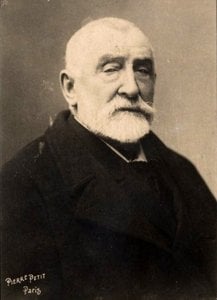
Henri Harpignies – A Master of Barbizon Landscape

Henri-Joseph Harpignies (ur. 28 czerwca 1819 w Valenciennes, zm. 28 sierpnia 1916 w Saint-Privé) – francuski malarz i grafik związany ze barbizończykami. Urodził się w zamożnej rodzinie mieszczańskiej, gdy zdecydował się na karierę artystyczną został odtrącony przez bliskich i poszedł na piechotę do Paryża, by realizować swoje plany życiowe. Początkowo pracował jako nauczyciel rysunku, uczył się w paryskim atelier malarza Jeana Acharda, gdzie rozwijał swoje umiejętności rysunkowe. Po powrocie z podróży do Włoch zaprzyjaźnił się z Jeanem Corotem i zainteresował twórczością barbizończyków. Pierwszy duży sukces Harpignies odniósł późno, bo dopiero w 1861 w paryskim Salonie zauważono jego obraz Lisière de bois sur les bords de l'Allier. Od tego roku artysta systematycznie wystawiał w Paryżu, kilkakrotnie otrzymując medale. W 1878 przeniósł się na stałe do Auxerre, gdzie dożył późnej starości. W 1911 otrzymał Krzyż Wielki Legii Honorowej.
  • Early Life and Training: Harpignies’s upbringing instilled in him a desire for independence and artistic pursuits despite familial expectations. His formal training began in Paris with Jean Achard, focusing on mastering draughtsmanship – a foundational skill that would define his approach to landscape painting.

The Barbizon School and Italian Influence

His formative encounter with the Barbizon School’s philosophy profoundly impacted Harpignies' artistic vision. Artists like Jean-Baptiste-Camille Corot championed direct observation of nature and realistic depictions of rural life, principles that resonated deeply within Harpignies’s soul. The trip to Italy in 1848 solidified his connection with these influential painters and broadened his artistic horizons.
  • Collaborative Journey: Harpignies embarked on a memorable expedition with Corot to Italy in 1860, immersing himself in the landscapes and traditions of the Renaissance.

Artistic Development and Style

Harpignies’s distinctive style is characterized by serene and idyllic portrayals of the French countryside. He skillfully captured subtle nuances of light and atmosphere, creating landscapes that evoke tranquility and harmony. His technique involved meticulous observation combined with a refined understanding of composition. Harpignies developed his own artistic voice while retaining the Barbizon School's commitment to realism.
  • Technique: Harpignies favored oil paints and aquarelle, allowing him to convey textures and moods with remarkable precision.

Notable Works

  • Soir sur les bords de la Loire (Evening on the Banks of the Loire): This iconic painting exemplifies Harpignies’s mastery of atmospheric perspective, capturing the golden hues of twilight over the Loire Valley.
  • Les Corbeaux (The Ravens): Demonstrating his ability to convey emotion and detail within a natural setting, “Les Corbeaux” remains one of Harpignies' most recognizable pieces.
  • Le Soir (Evening): Harpignies’s depiction of dusk is imbued with a palpable sense of stillness and beauty.
  • La Loire (The Loire): Another stunning portrayal of the Loire River, showcasing Harpignies’s exceptional skill in capturing water reflections and light effects.
  • Vue de Saint-Privé (View of Saint-Privé): This picturesque scene captures the charm of a French village with delicate brushstrokes and harmonious color palettes.

Legacy and Influence

Harpignies’s artistic legacy extends beyond his own paintings. He served as a dedicated teacher, nurturing talent in numerous students who would carry on his artistic traditions. His influence can be seen in the subsequent generations of landscape painters who embraced his approach to capturing nature's grandeur with honesty and sensitivity. Harpignies’s work continues to inspire admiration for its beauty and technical excellence.

Historical Significance

Henri-Joseph Harpignies stands as a pivotal figure in the history of French landscape painting, representing a culmination of Barbizon ideals. His unwavering devotion to observation and artistic integrity cemented his place among the most respected artists of his era. Today, Harpignies’s paintings reside in prominent museums across Europe and America, ensuring that his enduring contribution to art history is recognized worldwide.

Henri-Joseph Harpignies

Henri-Joseph Harpignies

1819 - 1916 , Francja

Najważniejsze informacje

  • Artistic Movement Or Style: Barbizonizm
  • Artists Or Movements Influenced By This Artist: ['Jean Baptiste Camille Corot']
  • Artists Who Influenced This Artist: ['Jean Achard']
  • Date Of Birth: 28 czerwca 1819
  • Date Of Death: 28 sierpnia 1916
  • Full Name: Henri-Joseph Harpignies
  • Nationality: Francuz
  • Notable Artworks:
    • Soir sur les bords de la Loire
    • Les Corbeaux
    • Le Soir
  • Place Of Birth: Walencja, Francja
Odkryj dzieła sztuki uporządkowane według tematów, stylów i cech charakterystycznych.