DARMOWA KONSULTACJA ARTYSTYCZNA

x
Zamów wydruk Zamów wydrukKup cyfrowy obraz Kup cyfrowy obraz UdostępnijUdostępnij
SzczegółySzczegóły Dodaj do ulubionych Dodaj do ulubionych PobierzPobierz Podobne obiektyPodobne obiekty RTGRTG Pokaz slajdówPokaz slajdów

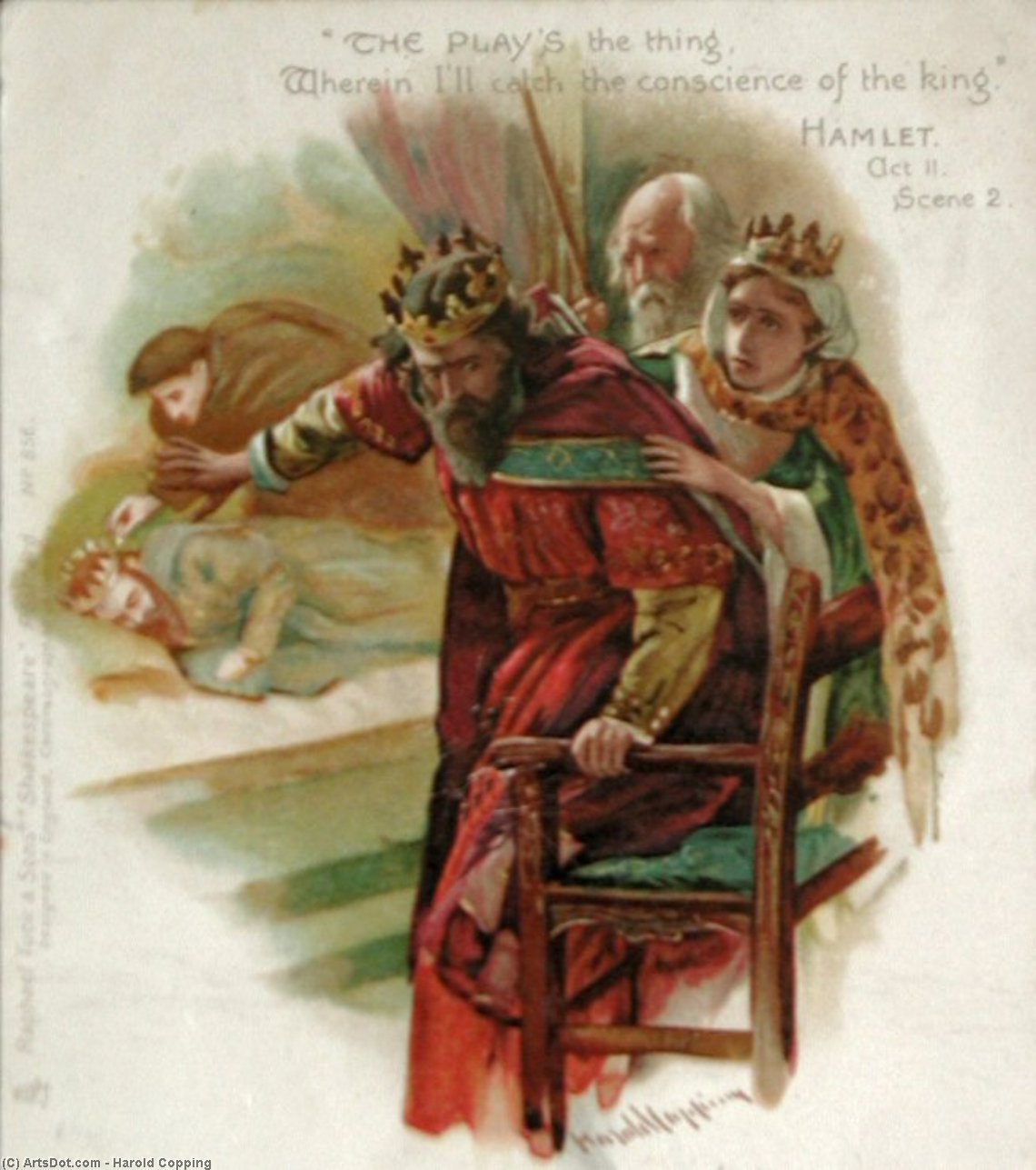
Mousetrap

Harold Copping (1863-1932) był angielskim ilustratorem znanym przede wszystkim z pięknych ilustracji biblijnych, szczególnie "Biblia Coppinga". Ilustrował także dzieła Dickensa i popularne opowiadania. Jego twórczość stała się ikoną ruchu szkolnego i sztuki misyjnej.

Ręcznie malowana reprodukcja olejowa

Ręcznie malowany olej na płótnie w Twoim wymiarze i ramie, tworzony na zamówienie przez naszych artystów.

Standard
custom
CM
INCH

Wybierz spośród naszych predefiniowanych rozmiarów, które zachowują oryginalne proporcje dzieła sztuki.

szerokość
wysokość

Możesz wprowadzić własne wymiary, aby dopasować obraz do konkretnej ramy lub przestrzeni. Jeśli wybrany rozmiar nie będzie odpowiadał proporcjom oryginału, przytniecie dzieło sztuki lub rozszerzymy je o dodatkowe elementy, ręcznie domalowane przez artystę. Przed rozpoczęciem produkcji wyślemy projekt cyfrowy do Twojej akceptacji.
Należy pamiętać, że podgląd na ekranie nie odzwierciedla rzeczywistego przycinania ani rozszerzania obrazu. Tylko projekt dokładnie pokaże ostateczną kompozycję.
Choć oferujemy możliwość zamówienia niestandardowych rozmiarów, zalecamy wybór wymiaru z gotowej listy, aby zachować oryginalne proporcje dzieła.

Przykłady możliwych zmian: Zamień twarz na zdjęcie klienta; Dodaj zwierzę domowe (np. zamień kota na psa); Ukryj wiadomość w tle; Zmień krajobraz lub elementy tła.
Po złożeniu zamówienia zespół WahooArt.com skontaktuje się z klientem drogą mailową w celu uzyskania instrukcji i prześle wizualizację projektu

Dostawa na całym świecie () w ciągu 3/4 tygodni zamiast standardowych 5 tygodni. (3 Lipiec). Bez kompromisów w kwestii jakości.

why_choose_icon
Bezpłatna ekspresowa wysyłka na cały świat
why_choose_icon
Wysokiej jakości płótno lniane
why_choose_icon
Pełne ubezpieczenie przesyłki
why_choose_icon
Gwarancja zwrotu należności celnych
why_choose_icon
Gwarancja pełnego zgodności kolorystycznej
why_choose_icon
Polityka 60-dniowego zwrotu (tylko w przypadku wad)
why_choose_icon
Gwarancja 100% zwrotu pieniędzy
why_choose_icon
Zniżka przy większych zamówieniach

Suma całkowita

-

reproduction

Mousetrap

Technika reprodukcji

Wymiary reprodukcji

-

Cena całkowita

-


Biografia artysty

Harold Copping (1863 - 1932): Illustrator of Dickens' Child Characters and the Bible

Harold Copping (1863 – 1932) was a British artist renowned for his beautiful biblical illustrations, notably ‘The Copping Bible’. He also illustrated Dickens & popular stories. His work became iconic in the Sunday school movement and missionary societi Born in Camden Town, London, England, Harold Copping was the second son of journalist Edward Copping (1829–1904) and Rose Heathilla (*née* Prout, 1832–1877), the daughter of John Skinner Prout, the water-colour artist. His brother, Arthur E. Copping, became a noted author, journalist, and traveller and was a member of the Salvation Army. He entered London’s Royal Academy where he won a Landseer Scholarship to study in Paris. This formative experience profoundly shaped his artistic vision and established him as a successful painter and illustrator, living primarily in Croydon and Hornsey during the early years of his career.
  • Early Life & Education: Copping’s upbringing instilled in him a deep appreciation for storytelling and visual representation—qualities that would serve him well throughout his artistic life. His father's journalistic pursuits exposed him to diverse perspectives, fostering intellectual curiosity and broadening his horizons beyond the confines of Victorian England.
  • Parisian Influence: The Landseer Scholarship provided Copping with invaluable access to the Parisian art world, immersing him in Impressionism and fostering a stylistic evolution away from academic conventions. He honed his watercolour technique under renowned instructors, mastering tonal gradations and capturing atmospheric effects—skills that would become hallmarks of his distinctive style.
Copping’s artistic career blossomed during the Victorian era, coinciding with a surge of interest in biblical narratives and moral instruction. Recognizing the potential for impactful storytelling through visual media, he embraced commissions from organizations dedicated to disseminating religious teachings. This commitment to conveying spiritual themes fueled his creativity and propelled him to undertake extensive expeditions—most notably to Palestine and Egypt—to meticulously document ancient sites and traditions. These journeys served as inspiration for his illustrations, grounding them in historical accuracy and enriching their symbolic resonance.
  • Biblical Illustrations: Copping’s most celebrated work centered on biblical scenes, particularly ‘The Hope of the World’, painted by Harold Copping for the London Missionary Society in 1915. This image became the iconic image of the Sunday school movement between 1915 and 1960. Dr. Sandy Brewer wrote of this image: “The Hope of the World, painted by Harold Copping for the London Missionary Society in 1915, is arguably the most popular picture of Jesus produced in Britain in the twentieth century. It was an iconic image in the Sunday school movement between 1915 and 1960”.
  • Notable Commissions: He undertook numerous commissions for publications like Hammond's Hard Lines (1894), Miss Bobbie (1897), Millionaire (1898), A Queen Among Girls (1900), Pilgrim’s Progress (1903), Westward Ho! (1903), Grace Abounding (1905), Three School Chums (1907), Children's Stories from Dickens (1911), Little Women (1912), Good Wives (1913), A Christmas Carol (1920) and Character Sketches from Boz (1924).
Copping’s distinctive style—characterized by luminous watercolors, meticulous detail, and a humanist sensibility—earned him recognition as one of the foremost illustrators of his time. His work transcended mere visual representation; it conveyed profound moral messages and fostered empathy for diverse cultures. James Thorpe wrote in English Illustration: the Nineties (1935), “Harold Copping’s work, capable and honest as it was, does not inspire any great enthusiasm; there are so many artists doing illustrations equally satisfactory in literal translation and equally lacking in strong personal individuality.” He married Edith Louise Mothersill in 1897 and had children joyce copping (1901-1934) and john clarence copping (1914-1977). Copping lived for many years at ‘The Studio’ in Shoreham, Kent, and died there on July 1st, 1932, aged 68. He was buried in the churchyard of St Peter and St Paul in Shoreham. Sources: Wikipedia
Harold Copping

Harold Copping

1863 - 1932 , Wielka Brytania

Kluczowe informacje

  • Artistic Movement Or Style: Victorian Illustration
  • Artists Or Movements Influenced By This Artist: ['Sunday School Movement']
  • Artists Who Influenced This Artist: ['John Skinner Prout']
  • Date Of Birth: 1863
  • Full Name: Harold Copping
  • Nationality: British
  • Notable Artworks:
    • The Hope of the World
    • Hammond's Hard Lines
  • Place Of Birth: Camden Town, England