Zobacz w skali 1:1 Zobacz w AR Przełącz na wersję drukowaną Kup ręcznie malowany obraz Wyślij
Szczegóły Przewodnik Dodaj do ulubionych Pobierz plik obrazu Podobne obiekty RTG Pokaz slajdów Statystyki

Untitled (940)

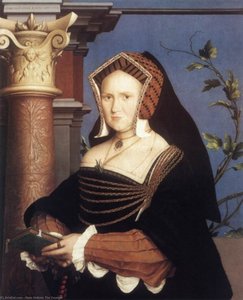
Captured in exquisite detail by Hans Holbein the Younger during the Northern Renaissance, this portrait depicts a woman adorned in black, embodying serene elegance amidst a contemplative backdrop of columns and foliage—a timeless masterpiece to admire or collect.

Wspaniały portret Ambasadorów Holbeina! Złota era, symbol władzy i religijnych napięć. Odkryj bogate symbole i tajemnice tego arcydzieła. #Holbein #Ambasadorowie #sztuka

Kup wysokiej rozdzielczości, ulepszony obraz cyfrowy o jakości znacznie przewyższającej podgląd online.

Każdy plik jest starannie przygotowywany przez naszych specjalistów przy użyciu zaawansowanych narzędzi oraz profesjonalnej, ręcznej retuszy. Dbamy o to, aby każdy obraz cechował się wyjątkową ostrością, precyzyjnym odwzorowaniem kolorów i subtelnymi detalami.

Ostateczny plik dostarczany jest drogą mailową w ciągu 72 godzin, zoptymalizowany do natychmiastowego wykorzystania w profesjonalnych zastosowaniach redakcyjnych i poligraficznych. To ta sama jakość, której ufają czołowe studia projektowe, wydawnictwa oraz galerie sztuki.

Obraz cyfrowy

Pobierz plik o wysokiej rozdzielczości do osobistego użytku, druku oraz projektów kreatywnych. ( Przełącz na wersję drukowaną Kup ręcznie malowany obraz)

Cena całkowita

$ 24,90

W każdym zamówieniu na obraz cyfrowy znajduje się

Profesjonalna dostawa cyfrowa z gwarancją

Wybierając WahooArt.com, nie otrzymujesz jedynie obrazu – otrzymujesz profesjonalnie udoskonalone cyfrowe dzieło sztuki, stworzone z najwyższą precyzją i objęte gwarancją satysfakcji. Oto wszystko, co automatycznie dołączane jest do Twojego zamówienia:

shipping_icon
Błyskawiczna dostawa e-mailowa

Plik z obrazem cyfrowym w wysokiej rozdzielczości zostanie przesłany na Twój adres e-mail w ciągu 72 godzin od złożenia zamówienia – gotowy do natychmiastowego użycia.

canvas_icon
Plik cyfrowy ulepszony przez AI

Twoja grafika została profesjonalnie zoptymalizowana przy użyciu zaawansowanych narzędzi AI oraz ręcznej edycji, co zapewnia maksymalną szczegółowość, klarowność i wierność kolorów.

insurance_icon
Bezpłatna dożywotnia ponowna dostawa

Przypadkowo usunąłeś lub zgubiłeś swój plik? Bez obaw – prześlemy go Tobie ponownie w dowolnym momencie, bez żadnych opłat.

tax_icon
Bez opłat importowych – zawsze

Ciesz się swoją sztuką natychmiast, bez żadnych opłat celnych, należności ani kosztów dostawy – pliki cyfrowe są zawsze wolne od podatku.

color_icon
Gwarancja odwzorowania kolorów

Dzięki zastosowaniu profesjonalnych narzędzi i procesów zarządzania barwą zapewniamy, że Twoje cyfrowe zdjęcie odzwierciedla oryginalne kolory tak wiernie, jak to tylko możliwe.

return_icon
100 dni na satysfakcję

Jeśli nie będziesz zadowolony ze swojego cyfrowego obrazu, poprawimy go lub zwrócimy 100% kosztów w ciągu 100 dni – bez zbędnych pytań.

guarantee_icon
100% Gwarancja zwrotu pieniędzy

Nie jesteś zadowolony? Otrzymaj pełny zwrot kosztów w ciągu 100 dni od otrzymania pliku cyfrowego – bez zbędnych pytań.

discount_icon
Rabaty przy zamówieniach hurtowych

Kup 3 obrazy, oszczędź 10% - Kup 5, oszczędź 15% - Kup 10+, oszczędź 20%. Idealne do projektów kreatywnych, galerii i agencji.

Kluczowe informacje

  • Artist: Hans Holbein the Younger
  • Title: Untitled (940)
  • Subject or theme: Female Figure
  • Influences: Renaissance Humanism
  • Location: Private Collection
  • Movement: Northern Renaissance

A Window into the Northern Renaissance

In the quiet presence of Hans Holbein the Younger’s Untitled (940), one does not merely observe a portrait; one enters a profound dialogue with history. This captivating work depicts a woman of dignified composure, her likeness rendered with that unmistakable Northern Renaissance precision that has captivated collectors for centuries. Set against a subtly textured backdrop, the composition is anchored by two stately columns and the organic silhouette of a prominent tree—elements that do more than frame the subject; they ground her within a carefully constructed universe of stability and growth. As you gaze upon her, there is an immediate sense of encountering a soul preserved in time, captured with a level of detail that feels startlingly modern even five centuries later.

The technical mastery on display is nothing short of breathtaking. Holbein, a titan of the 16th century, utilizes the medium of oil on canvas to achieve a luminous, almost breathing quality in the subject's skin tones. Through the meticulous layering of thin glazes, he captures the softest nuances of light and shadow, allowing the textures of her black dress and ruffled collar to emerge with tactile clarity. This technique creates a sense of depth that invites the eye to linger on the subtle folds of fabric and the delicate way she holds a book or piece of paper, suggesting an intellect as refined as her appearance. For the discerning interior designer, such a piece offers a focal point of unparalleled sophistication, bringing a sense of academic weight and timeless elegance to any curated space.

Symbolism and the Tudor Spirit

Beyond the surface beauty lies a rich tapestry of symbolic meaning, deeply rooted in the humanist spirit of the Tudor era. During his tenure at the English court under Henry VIII, Holbein became a master at embedding subtle narratives within his portraiture. Here, the architectural columns serve as emblems of authority and permanence, reflecting the social standing of a noblewoman within the rigid hierarchy of the period. In contrast, the inclusion of the tree introduces a vital element of nature, representing life, resilience, and an enduring beauty that transcends the fleeting moments of human existence. This duality between the man-made and the natural creates a balanced, harmonious composition that resonates with emotional depth.

The emotional impact of this masterpiece is found in its quietude. There is no grand gesture or dramatic movement; instead, Holbein relies on the woman's steady gaze to bridge the gap between the past and the present. Her expression, a delicate blend of inner contemplation and quiet grace, prompts the viewer to reflect on themes of dignity and perhaps even a hint of unspoken vulnerability. To possess a reproduction of this work is to bring more than just decoration into a home; it is to invite an atmosphere of intellectual curiosity and serene reflection. It remains a testament to Holbein’s unique ability to transform mere pigment into a profound human experience, making it an essential acquisition for those who value art that speaks to the heart as much as the eye.


Biografia artysty

A Life Etched in Detail: The World of Hans Holbein the Younger

Born around 1497 in Augsburg, Germany, Hans Holbein the Younger emerged as a defining figure of the Northern Renaissance—a master portraitist whose work continues to resonate with breathtaking realism and psychological depth. His upbringing within an artistically gifted family laid the foundation for his exceptional talent; his father, Hans Holbein the Elder, was a respected painter and printmaker who instilled in young Hans a meticulous approach to observation and technique. This early training wasn’t merely about mastering brushstrokes or mixing pigments—it was about learning to *see*, to capture not just likeness but the very essence of a subject. Holbein's initial artistic explorations occurred within his father’s workshop, where he honed his skills before embarking on a journey that would lead him through Switzerland and ultimately to the heart of the English court.

From Basel to the Tudor Court: A Rising Star

After completing his apprenticeship, Holbein traveled extensively throughout Switzerland, establishing himself as an independent artist with a growing reputation. He spent several formative years in Basel, creating not only striking portraits but also religious works and intricate woodcut designs—most notably the haunting series depicting the *Dance of Death*. These early pieces reveal a burgeoning mastery of composition and a developing fascination with capturing the complexities of human emotion. He admired the work of Albrecht Dürer and other German masters while also studying Italian art during his travels, absorbing their techniques and incorporating them into his own unique style. His innovative compositions further enhanced the impact of his work, often employing symbolic objects or backgrounds to convey deeper meaning. It was in 1526 that fate intervened, drawing Holbein towards England, an event that would irrevocably alter his artistic trajectory. He arrived bearing a letter of introduction from Erasmus, the renowned humanist scholar, which opened doors to the influential circles of English society. His talent quickly captivated prominent figures like Sir Thomas More, who became both a patron and a subject for several compelling portraits. This connection proved pivotal, leading to Holbein’s appointment as a court painter to King Henry VIII in 1536—a position he held, with some interruptions, until his untimely death in 1543.

The Art of Perception: Style and Masterpieces

Holbein's artistic style is characterized by an extraordinary commitment to realism, achieved through painstaking attention to detail in rendering textures, fabrics, and the subtle nuances of facial features. He didn’t simply *paint* portraits; he meticulously constructed them, layer upon layer, capturing not just physical appearances but also the personality and inner life of his sitters. His innovative compositions further enhanced the impact of his work, often employing symbolic objects or backgrounds to convey deeper meaning. The Ambassadors (1533) stands as a testament to this approach—a complex and symbolically rich double portrait showcasing both Holbein’s technical brilliance and intellectual depth. The anamorphic skull subtly embedded within the painting serves as a stark *memento mori*, reminding viewers of the inevitability of death. He employed meticulous observation, blending scientific accuracy with artistic sensitivity – techniques that would become hallmarks of his oeuvre. His numerous portraits of Henry VIII established a lasting image of Tudor power, while his depiction of Erasmus of Rotterdam captures the scholar's profound intellectual gravitas. Other notable works include the stunning *Portrait of Nikolaus Kratzer* (1528), a masterpiece of realism and scientific detail.

Legacy and Influence: A Lasting Impression

Holbein’s artistic journey was shaped by a confluence of influences, blending the precision of German artistic traditions with the compositional principles of the Italian Renaissance. His legacy is profound; Holbein’s portraits set a new standard for realism and psychological insight in portraiture, influencing generations of artists who followed. His depictions of key figures during the Tudor period provide invaluable insights into the lives and personalities of those who shaped English history.
  • His meticulous attention to detail revolutionized portrait painting, elevating it to an art form that prioritized psychological accuracy alongside visual beauty.
  • He championed humanist ideals—celebrating intellect and human dignity—reflecting the spirit of his time.
  • Holbein’s work continues to inspire artists today, demonstrating the enduring power of observation and artistic innovation.
He didn't merely record appearances—he captured moments in time, preserving them for posterity. His contribution to art history is undeniable; he remains one of the most admired and studied painters of the Renaissance—a master whose artistry transcends mere technical skill; it is an embodiment of intellectual curiosity, artistic innovation, and a profound understanding of the human condition.

Hans Holbein Młodszy

Hans Holbein Młodszy

1497 - 1543 , Niemcy

Najważniejsze informacje

  • Artistic Movement Or Style: Renesans północny
  • Artists Or Movements Influenced By This Artist: ['Późniejsi malarze portretowi']
  • Artists Who Influenced This Artist: ['Albrecht Dürer']
  • Date Of Birth: c. 1497
  • Date Of Death: October or November 1543
  • Full Name: Hans Holbein der Jüngere
  • Nationality: Niemcy i Szwajcaria
  • Notable Artworks:
    • Ambasadorowie
    • Portret Henryka VIII
    • Portret Erasma
  • Place Of Birth: Augsburg, Germany