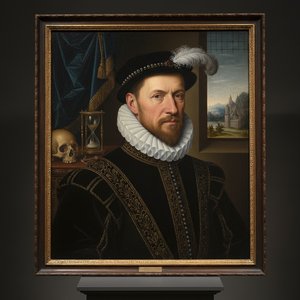
A Swabian Enigma: The Life and Early Influences of Hans Baldung Grien
Hans Baldung Grien (ur. 1485 w Schwäbisch Gmünd, zm. we wrześniu 1545 w Strasburgu) – niemiecki malarz renesansowy, znany z ekspresyjnych portretów, alegorii i unikalnych przedstawień czarownic i mitologii – fascynującego połączenia koloru, wyobraźni i wpływu reformacji. Jego twórczość odzwierciedla zarówno intelektualne zainteresowania, jak i atmosferę napięć epoki.
Urodzony około 1485 roku w Schwäbisch Gmünd, w Bawarii, Baldung pochodził z rodziny o nieoczekiwanej erudycji. W przeciwieństwie do wielu artystów renesansowych, którzy podążali za tradycjami rodzinnych rzemiosł, Hans był pierwszym mężczyzną w pokoleniach, którego nie przygotowywano do studiów uniwersyteckich. Jego ojciec, Johann Baldung, szanowany jurysta służący biskupstwu Strasburskiemu, widział podobną ścieżkę dla syna. Jednak młody Hans wybrał pędzel i dłuto, rozpoczynając artystyczną podróż, która odróżniła go od innych i uczyniła jednym z najbardziej charakterystycznych i enigmatycznych postaci niemieckiego renesansu. Ta decyzja nie była odrzuceniem wychowania, lecz przekierowaniem intelektualnej ciekawości – cecha, która przeniknęła całą jego twórczość. Początkowe szkolenie rozpoczęło się około 1500 roku w Górnym Renie z artystą ze Strasburga, kładącymi fundamenty dla jego umiejętności technicznych przed poszukiwaniem bardziej wybitnych mistrzów, aby dopracować swoje rzemiosło. Ten początkowy okres zakorzenił w nim podstawę rysunku i kompozycji, przygotowując go do wymagającego środowiska artystycznego, które czekało na niego w Norymberdze.
Under Dürer’s Wing and Forging an Individual Style
Kluczowym momentem w rozwoju Baldunga był rok 1503, kiedy to został uczniem Albrechta Dürera w Norymberdze. Okres ten okazał się głęboko formujący, prezentując mu precyzyjny detale, intelektualną rygor i innowacyjne techniki druku, które definiowały styl Dürera. Dwóch artystów rozwinęło bliską relację; Baldung nawet zarządzał warsztatem Dürera podczas jego pobytu w Wenecji. Jednak podczas gdy głęboko był pod wpływem Dürera – widoczne w wczesnych pracach, które prezentowały precyzyjne rysunki i realizm północny – Baldung szybko zaczął kształtować własną tożsamość artystyczną. Absorbował lekcje mistrzów renesansu, ale wzbogacił je o unikalnie niemiecką wrażliwość, charakteryzującą się ekspresyjnym kolorem, wyobrażeniową kompozycją i rosnącym, niepokojącym głębią psychologiczną. Ta różnica od bardziej klasycznego stylu Dürera stała się znakiem rozpoznawczym dojrzałego stylu Baldunga. Jego pobyt we Wenezji, nadzorując sprawy Dürera, zapewnił mu również kontakt z rozwijającym się światem sztuki renesansowej we Włoszech, poszerzając jego horyzonty artystyczne i subtelnie wpływając na jego paletę i kompozycje. Powrócił z Włoch z podniesionym poczuciem koloru i chęcią eksperymentowania z aranżacją przestrzeni, które odróżniały go od swoich rówieśników.
A Master of Many Mediums: Themes and Techniques
Hans Baldung Grien był artystą niezwykłej wszechstronności, biegłym w malarstwie, grafice – zwłaszcza rytografii i litografiach –, rysunku, projektowaniu gobelinów i nawet pracach witrażowych. Jego obrazy często przedstawiają małe dzieła pełne zagadkowych alegorii i narracji mitologicznych, wykonane z żywej palety i charakterystycznym poczuciem przestrzennej niepewności. Doskonalił portrety, uchwycując podobieństwa swoich patronów zarówno realizmowo, jak i psychologicznie. Jednak najbardziej znany jest on dzisiaj dzięki swoim rytogramom. Te grafiki charakteryzują się dramatycznymi kompozycjami, skomplikowanymi detalami i często makabrycznym motywem. Powtarzającym się motywem w jego twórczości jest fascynacja czarownicami, śmiercią i nadprzyrodzonym – odzwierciedlający obawy i przekonania panujące w XVI-wiecznej Niemczech. Jego przedstawienia czarownic są szczególnie uderzające, portretując je nie jako stereotypowe wiedźmy, ale jako złożone, a nawet pociągające postacie, symbolizujące zarówno strach, jak i fascynację. *„Ukochany Czarnoksiężnik”* jest przerażająco sugestywnym dziełem, które oddaje ten temat. Jego technika w rytografii była mistrzowska; wykorzystał on zdolność medium do ostrych kontrastów i skomplikowanych detali, aby stworzyć obrazy zarówno wizualnie oszałamiające, jak i psychologicznie niepokojące.
Reformation Currents and Lasting Legacy
Kariera Baldunga rozwinęła się w okresie ogromnych napięć religijnych i politycznych, charakteryzującego się wzrostem reformacji protestanckiej. Choć nie zbiegł się otwarcie z żadnym konkretnym ugrupowaniem, jego dzieła często odzwierciedlają zmieniający się krajobraz duchowy Niemiec. Jego monumentalny ołtarz główny dla miasta Münster, ukończony w 1531 roku, jest świadectwem zaangażowania w ruch reformacyjny poprzez swoją ikonografię i wybór stylów. W 1545 roku Baldung zmarł w Strasburgu, pozostawiając po sobie twórczość, która nadal fascynuje i intryguje widzów dzisiaj. Jego wpływ można dostrzec w pracach późniejszych niemieckich artystów, a jego unikalne połączenie techniki renesansowej, ekspresjonizmu północnego i charakterystycznej algebry zagwarantowało mu miejsce w historii sztuki. Pozostaje on artystą, którego dzieła zachęcają do kontemplacji, zmuszając nas do konfrontacji ciemniejszych aspektów ludzkiej natury i tajemnic niewidzialnego świata. Jego eksploracja tematów takich jak czarownictwo i śmierć nadal rezonuje z współczesnymi odbiorcami, czyniąc go ponadczasową i fascynującą postacią w panteonie mistrzów renesansu.
Museums and Collections
Baldung’s works can be found in prominent museums across Europe and North America:
- Gemäldegalerie Alte Meister, Dresden, Germany: This renowned museum houses a significant collection of European paintings from the 15th to the 18th centuries, providing valuable context for understanding Baldung’s artistic milieu.
- National Gallery of Art, Washington D.C.: The NGA holds several important woodcuts and drawings by Baldung, offering insights into his printmaking techniques and artistic process.
- The J. Paul Getty Museum, Los Angeles: Features works that showcase the breadth of Baldung’s talent.
- Kunstmuseum Basel, Switzerland: A museum with a rich collection spanning various periods, offering a broader understanding of Renaissance art in Europe.
These institutions provide opportunities to experience firsthand the captivating artistry and enduring legacy of Hans Baldung Grien.



 Zobacz w skali 1:1
 Kup ręcznie malowany obraz
 Wyślij
 Udostępnij
 Szczegóły

 Pobierz plik obrazu
 Podobne obiekty
 RTG
RTG Pokaz slajdów
 Statystyki


 Czytaj więcej






































 Opcja ze szkłem jest dostępna wyłącznie w rozmiarach poniżej 110 cm