Początki i Formowanie się Artysty
Gustaw Klimt, urodzony 14 lipca 1862 roku w Baumgarten pod Wiedniem, wyrósł z rodziny o artystycznych skłonnościach, lecz borykającej się z trudnościami finansowymi. Jego ojciec, Ernst Klimt, był złotnikiem-grawerem, zawód ten subtelnie, lecz głęboko wpłynął na wrażliwość estetyczną młodego Gustawa – fascynacja złotem, precyzją detalu i przepychem. Rodzinne perypetie wiązały się z częstymi przeprowadzkami w obrębie Wiednia, co mogło sprzyjać rozwijaniu u Klimta uważnej obserwacji otoczenia i wrażliwości na ludzkie doświadczenia. Już jako dziecko wykazywał niezwykłe zdolności rysunkowe, pielęgnowane przez ojca i naturalny talent, który szybko stał się widoczny. W 1876 roku wstąpił do wiedeńskiej Kunstgewerbeschule (Szkoły Sztuki Stosowanej), rozpoczynając formalne studia malarstwa architektonicznego pod kierunkiem Ferdinanda Laufbergera. Zapewniło mu to solidne podstawy techniczne, ale również zetknęło z dominującymi wówczas stylami akademickimi – które Klimt ostatecznie postanowił zakwestionować i przekroczyć. W szkole tej nawiązał także ważną współpracę artystyczną ze swoim bratem Ernstem i Franzem von Matschem, kooperacja ta zapewniła wczesne zamówienia na dekoracyjne murale i sufity, kładąc fundamenty pod przyszły sukces.
Bunt przeciwko Akademizmowi i Narodziny Secesji Wiedeńskiej
W latach 90. XIX wieku Klimt zaczął odczuwać rozczarowanie konserwatywnym środowiskiem artystycznym Wiednia. Pragnął większej swobody twórczej, przestrzeni, w której innowacja mogłaby kwitnąć bez ograniczeń tradycji. Ta tęsknota doprowadziła do powstania Secesji Wiedeńskiej w 1897 roku – przełomowego momentu w historii sztuki austriackiej. Klimt został wybrany na pierwszego prezesa, stając się liderem ruchu dążącego do zerwania z sztywnymi normami akademickimi i przyjęcia nowych prądów artystycznych rozwijających się w Europie – secesji, symbolizmu i sztuki japońskiej. Własny budynek wystawowy Secesji, zaprojektowany przez Josepha Marię Olbricha, stał się symbolem tej rebelii, świątynią poświęconą nowoczesnej sztuce. Prace Klimta były centralnym elementem etosu Secesji, uosabiając odrzucenie konwencjonalnej estetyki i przyjęcie elementów dekoracyjnych, śmiałych kolorów oraz symbolicznej ikonografii. Jego obrazy zaczęły poruszać tematykę miłości, śmierci i seksualności z bezprecedensową szczerością, kwestionując normy społeczne i wywołując zarówno podziw, jak i oburzenie.
Złoty Okres i Dojrzałość Artystyczna
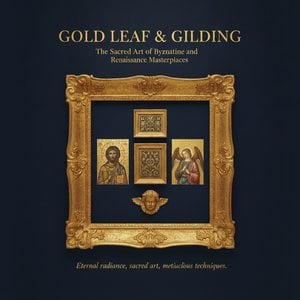
Około roku 1900 Klimt wkroczył w to, co dziś znamy jako jego „złoty okres”, czas charakteryzujący się bogatym wykorzystaniem złota inspirowanym bizantyjskimi mozaikami i średniowiecznymi iluminacjami. Ta technika przekształciła jego obrazy w migoczące, pozaziemskie wizje, nasycone duchową głębią i zmysłowym urokiem.
Pocałunek (1907-1908), być może jego najbardziej ikoniczne dzieło, jest przykładem tego stylu – para spleciona w uścisku, otoczona złotą aurą, ich ciała zdobione misternymi wzorami. W tym okresie Klimt stworzył również serię oszałamiających portretów, w tym *Portret Adeli Bloch-Bauer I* (1907), który zademonstrował jego zdolność do uchwycenia nie tylko fizycznego podobieństwa, ale także psychologicznej złożoności swoich modeli. Coraz bardziej zacierał granice między malarstwem a ornamentyką, integrując elementy dekoracyjne w swoje kompozycje, tworząc harmonijne połączenie formy i treści. Wpływ sztuki japońskiej – Japonizmu – był szczególnie widoczny w jego spłaszczonej perspektywie, nacisku na linię oraz wykorzystaniu dekoracyjnych wzorów.
Kontrowersje, Inspiracje i Trwałe Dziedzictwo
Kariera Klimta nie obyła się bez kontrowersji. W 1900 roku otrzymał prestiżowe zamówienie na namalowanie murali sufitowych dla Wielkiej Sali Uniwersytetu w Wiedniu, przedstawiających Filozofię, Prawo i Teologię. Jednak te prace – zwłaszcza *Filozofia* – zostały uznane przez konserwatywnych krytyków za prowokacyjne, a nawet pornograficzne, co doprowadziło do publicznych protestów i ostatecznie skłoniło Klimta do odmowy dalszych zamówień publicznych. Incydent ten był punktem zwrotnym w jego karierze, popchnął go w kierunku prywatnego patronatu i zapewnił mu większą swobodę artystyczną. Przez całe życie Klimt inspirował się różnorodnymi artystami i stylami – od historycznych obrazów Hansa Makarta po sztukę dekoracyjną Bizancjum i Japonii. Czerpał również inspirację z ruchu symbolistycznego, eksplorując tematykę mitologii, alegorii i podświadomości. Gustaw Klimt kontynuował intensywną pracę malarską aż do swojej śmierci 6 lutego 1918 roku w wyniku udaru podczas pandemii hiszpanki. Jego późniejsze prace eksplorowały bardziej abstrakcyjne formy i krajobrazy, demonstrując ciągłą ewolucję artystyczną. Jest dziś uznawany za jedną z najważniejszych postaci w historii sztuki austriackiej, czołowego przedstawiciela Secesji Wiedeńskiej i trwały symbol elegancji secesyjnej.
Jego obrazy osiągają wysokie ceny na aukcjach, a jego wpływ nadal rezonuje we współczesnej sztuce i projektowaniu.
Kluczowe Cechy & Styl Artystyczny
- Symbolizm: Prace Klimta są głęboko symboliczne, często eksplorują tematykę miłości, śmierci, seksualności i ludzkiej kondycji.
- Secesja: Był wiodącą postacią ruchu secesyjnego, charakteryzującego się organicznymi liniami, dekoracyjnymi wzorami i naciskiem na piękno.
- Złoty Okres: Jego wykorzystanie złota stworzyło migoczące, opulenckie powierzchnie, które stały się jego charakterystycznym stylem.
- Elementy Dekoracyjne: Klimt integrował elementy dekoracyjne w swoje kompozycje, zacierając granice między malarstwem a ornamentyką.
- Postać Kobiety: Nagie kobiece ciało było centralnym tematem jego prac, często przedstawiane zmysłowo i psychologiczną głębią.



 Zobacz w skali 1:1
 Przełącz na wersję drukowaną
 Wyślij
 Udostępnij
 Szczegóły
 Guide
Guide

 Pobierz plik obrazu
 Podobne obiekty
 RTG
RTG Pokaz slajdów
 Statystyki

 Czytaj więcej






































 Opcja ze szkłem jest dostępna wyłącznie w rozmiarach poniżej 110 cm