Zobacz w skali 1:1 Zobacz w AR Przełącz na wersję drukowaną Przełącz na wersję cyfrową Wyślij
Szczegóły Dodaj do ulubionych Pobierz plik obrazu Podobne obiekty RTG Pokaz slajdów Statystyki

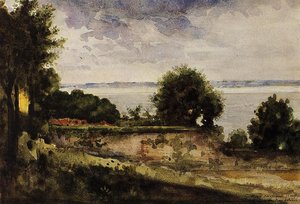
Study of a Puff Adder

Discover Gustave Moreau’s detailed 'Study of a Puff Adder,' a captivating watercolor sketch revealing the Symbolist master's naturalistic side. Explore 19th-century scientific illustration & symbolic detail.

Poznaj Gustave Moreau – francuskiego mistrza Symbolizmu! Jego dzieła fascynują bogactwem kolorów i głęboką symboliką. Odkryj jego niezwykły świat sztuki XIX wieku!

Ręcznie malowana reprodukcja olejowa

Ręcznie malowany obraz olejny na płótnie, wykonany na zamówienie przez naszych artystów w wybranym przez Ciebie wymiarze i oprawie. ( Przełącz na wersję drukowaną Przełącz na wersję cyfrową)

P118B $10
P118H $10
P118W $10
P438Z $10
P508JH $12
P508YH $12
P805H $10
P805Z $10
P919BZ $10
P919G $10
P919XJ $10
P959ZH $10
P968JZ $12
W106C $8
W218G $10
W218JH $8
W218Y $10
W307PJ $10
W316G $10
W316PJ $8
W316Y $10
W398PJ $8
W4111J $10
W500HY $15
W500JH $15
W692G $12
W849H $8
W940BG $15
W953PJ $8

Standardowy
na zamówienie
CM
INCH

Wybierz spośród naszych standardowych rozmiarów, które zachowują oryginalne proporcje dzieła sztuki.

szerokość
wysokość

Możesz wprowadzić własne wymiary, aby dopasować obraz do konkretnej ramy lub przestrzeni. Jeśli wybrany rozmiar nie będzie odpowiadał proporcjom oryginału, przytniecie dzieło sztuki lub rozszerzymy je o dodatkowe elementy, ręcznie domalowane przez artystę. Przed rozpoczęciem produkcji wyślemy projekt cyfrowy do Twojej akceptacji.
Należy pamiętać, że podgląd na ekranie nie odzwierciedla rzeczywistego przycinania ani rozszerzania obrazu. Tylko projekt dokładnie pokaże ostateczną kompozycję.
Choć oferujemy możliwość zamówienia niestandardowych rozmiarów, zalecamy wybór wymiaru z gotowej listy, aby zachować oryginalne proporcje dzieła.

Przykłady możliwych zmian: Zamień twarz na zdjęcie klienta; Dodaj zwierzę domowe (np. zamień kota na psa); Ukryj wiadomość w tle; Zmień krajobraz lub elementy tła.
Po złożeniu zamówienia zespół WahooArt.com skontaktuje się z klientem drogą mailową w celu uzyskania instrukcji i prześle wizualizację projektu

Dostawa na całym świecie () w ciągu 3–4 tygodni zamiast standardowych 5 tygodni. (16 Wrzesień). Bez kompromisów w kwestii jakości.

why_choose_icon
Bezpłatna ekspresowa wysyłka na cały świat
why_choose_icon
Wysokiej jakości płótno lniane
why_choose_icon
Pełne ubezpieczenie transportowe
why_choose_icon
Gwarancja zwrotu należności celnych i podatków importowych
why_choose_icon
Gwarancja idealnego odwzorowania barw
why_choose_icon
100-dniowy okres na zwrot dzieła w przypadku wykrycia wad produkcyjnych
why_choose_icon
Gwarancja 100% zwrotu pieniędzy
why_choose_icon
Oferta przy zakupie wielu sztuk

Cena całkowita

$ 272

reproduction

Study of a Puff Adder

Technika wykonania

Rozmiar reprodukcji

-

Suma do zapłaty

$ 272

Kluczowe informacje

  • Artist: Gustave Moreau
  • Artistic style: Scientific illustration
  • Influences: Eugène Delacroix
  • Medium: Watercolor on paper
  • Movement: Symbolism
  • Title: Study puff adder

Quiz wiedzy o sztuce

Do każdego pytania dotyczy tylko jedna poprawna odpowiedź.

Pytanie 1:
Gustave Moreau is most closely associated with which artistic movement?
Pytanie 2:
What is the primary subject of 'Study of a Puff Adder'?
Pytanie 3:
What medium did Moreau primarily use for 'Study of a Puff Adder'?
Pytanie 4:
The artwork’s composition is most similar to what type of illustration?
Pytanie 5:
What does the description suggest about Moreau's approach to his mythological paintings?

A Whisper from Moreau’s Studio: The Intimate Study of a Puff Adder

Gustave Moreau, a name synonymous with the opulent dreamscapes of Symbolism, might seem an unlikely draughtsman for such direct naturalistic study. Yet, this exquisite watercolor sketch, *Study of a Puff Adder*, reveals a fascinating facet of his artistic process – one grounded in meticulous observation and scientific curiosity. It’s a glimpse behind the curtain of elaborate mythology, into the preparatory work that fueled Moreau's fantastical visions. The artwork isn’t merely a depiction of a snake; it is an invitation to understand how even the most imaginative artists anchor their creations in the tangible world.

The Serpent Observed: Form and Technique

The composition centers entirely on the coiled form of the puff adder (*Scindina aritan*), its head raised, engaging the viewer with a directness that is both captivating and slightly unsettling. Moreau eschews any elaborate background or contextualizing elements, focusing instead on capturing the essence of the creature itself. This deliberate simplicity echoes the aesthetic of scientific illustration, prioritizing accurate representation over decorative embellishment. Executed in watercolor on textured paper, the sketch showcases Moreau’s masterful handling of the medium. Loose, expressive lines define the snake's form, indicative of a preparatory study rather than a finished work. Washes of color are layered with subtle precision to build up volume and suggest the intricate texture of scales. Visible brushstrokes add character and depth, reminding us of the artist’s hand at work – a vital connection to the creative process. The aged appearance of both paper and pigment lends an air of historical authenticity, transporting us back to Moreau's studio in 19th-century Paris.

A Symbolist’s Scientific Bent: Context and Meaning

Gustave Moreau (1826-1898) was a pivotal figure in the Symbolist movement, renowned for his richly detailed paintings inspired by mythology and biblical narratives. However, this study demonstrates that even within such an imaginative oeuvre, he grounded his work in careful observation of reality. The 19th century witnessed a surge in scientific illustration, driven by advancements in natural history and a growing fascination with accurate depiction. While not strictly a scientific illustrator himself, Moreau’s approach reflects this era's spirit of meticulous analysis. It is likely that this sketch served as foundational study for a larger composition – perhaps one incorporating symbolic or allegorical elements. Beyond its practical function, the puff adder itself carries inherent symbolism. Snakes have long represented transformation, healing, and danger—themes frequently explored in Moreau’s mythological works. The snake's unwavering gaze evokes feelings of both fascination and apprehension, prompting contemplation on the duality of nature: beauty and threat existing side-by-side.

Collecting and Interior Considerations

This *Study of a Puff Adder* presents a unique opportunity to acquire a work on paper by a major Symbolist artist. Its relatively small size and neutral palette make it remarkably versatile for various interior settings. It would be particularly well-suited to a study, library, or living room with a classic or eclectic aesthetic, adding a touch of intellectual sophistication and artistic intrigue. Consider framing the piece with conservation materials to protect its delicate watercolor pigments and textured paper. Its intriguing subject matter and historical significance will undoubtedly spark conversation and offer a captivating focal point for any collection. This is not merely an image; it’s a window into the mind of a master, a testament to the power of observation, and a beautiful object in its own right.


Biografia artysty

A Dream Weaver of Symbolism: The Life and Art of Gustave Moreau

Gustave Moreau, a name inextricably linked to the ethereal beauty and profound mysteries of Symbolist painting, emerged from 19th-century Paris as an artist utterly distinct in his vision. Born in 1826 into a comfortable bourgeois family—his father an architect and archivist—Moreau’s early life was steeped in intellectual curiosity and a deep appreciation for aesthetics. From a remarkably young age, he displayed a prodigious talent for drawing, nurtured through the rigorous training of the École des Beaux-Arts under esteemed figures like François-Édouard Picot. However, Moreau's artistic trajectory swiftly diverged from the prevailing Realist and Impressionist currents dominating his time. He wasn’t driven by a desire to capture fleeting moments or represent objective reality; instead, he sought to unlock the hidden realms of myth, religion, and the intricate workings of the human psyche through a deeply personal and symbolic visual language. His artistic journey became an inward exploration, translating subjective emotions and spiritual yearnings onto canvas with meticulous detail and a palette often rich in vibrant, almost opulent hues.

The Forge of Imagination: Influences and Artistic Development

Moreau’s artistic development wasn't forged in isolation. While rejecting the dominant trends of his era, he drew inspiration from a remarkably diverse range of sources. The dramatic use of color and exotic subject matter found in the works of Eugène Delacroix ignited within him a passionate interest in narrative painting imbued with intense emotionality. He held Renaissance masters—Michelangelo and Leonardo da Vinci, in particular—in the highest esteem, deeply admiring their mastery of composition, anatomical precision, and their remarkable ability to penetrate the complexities of human psychology. Yet, Moreau wasn’t merely imitating these giants; he was synthesizing their influences into something entirely new, a distinctly personal style. His pivotal journey to Italy during the 1850s proved transformative, immersing him in the art of antiquity and the Renaissance. This experience provided an unparalleled wealth of motifs and stylistic cues that would subsequently populate his future works. He meticulously copied Old Master paintings—not as mere reproductions, but as a means of absorbing their techniques and unlocking their secrets—carefully studying brushstrokes, color palettes, and compositional strategies. This dedication to craft, combined with his burgeoning fascination with mythology and literature, formed the bedrock of his unique artistic vision.

A World of Symbols: Themes and Techniques

Moreau’s paintings are not simply illustrations of myths or biblical stories; they are complex allegories designed to provoke contemplation and interpretation. He didn't aim to retell these narratives literally but rather to explore their underlying psychological and spiritual truths. His canvases are populated with a rich tapestry of symbolic imagery—serpents representing temptation, jewels signifying earthly desires, and figures embodying abstract concepts such as grief, loss, or redemption. He masterfully created an atmosphere of dreaminess through intricate detail, shimmering textures, and often unsettling juxtapositions of light and shadow. Moreau’s technique was characterized by a painstaking layering of paint—a deliberate process that resulted in surfaces brimming with iridescent colors and evoking a sense of otherworldly beauty. His skillful use of gold leaf further enhanced this effect, lending his works a Byzantine quality that underscored their spiritual dimension. He prioritized the expressive power of color and form over strict adherence to realistic representation, focusing on conveying mood and meaning rather than photographic accuracy.

Notable Works and Legacy

Throughout his career, Moreau produced an astonishing body of work, including iconic paintings such as *Salomé tańcząca przed Herodem* (Salome Dancing before Herod), *Jupiter i Semele*, *Orfeusz*, *Widzenie*, and *Święta Elżbieta z Anglii lub Cud róż*. These works demonstrate his extraordinary skill in depicting mythological scenes, biblical narratives, and allegorical themes. Moreau’s influence extended far beyond the Symbolist movement itself. He mentored numerous artists at the École des Beaux-Arts, encouraging them to embrace imagination, symbolism, and individual expression—a radical departure from the prevailing academic norms of the time. Though initially met with mixed reactions, Moreau's work gained recognition in the late 19th and early 20th centuries, solidifying his place as a pivotal figure in modern art. Today, the Musée Gustave Moreau in Paris stands as a testament to his enduring legacy—a sanctuary where visitors can immerse themselves in the captivating world of this extraordinary artist, experiencing firsthand the power and beauty of his symbolic vision.

Key Characteristics

  • Symbolic Imagery: Moreau’s paintings are replete with symbols representing complex ideas and emotions.
  • Dreamlike Atmosphere: He skillfully created an ethereal and otherworldly atmosphere through meticulous detail and color manipulation.
  • Rich Palette: His use of vibrant, often opulent colors contributed to the overall sense of mystery and beauty.
  • Influence of Renaissance Masters: Moreau drew inspiration from the techniques and philosophies of Michelangelo and Leonardo da Vinci.

Gustaw Moreau

Gustaw Moreau

1826 - 1898 , Francja

Najważniejsze informacje

  • Artistic Movement Or Style: Symbolizm
  • Artists Or Movements Influenced By This Artist:
    • Matisse
    • Rouault
  • Artists Who Influenced This Artist:
    • Delacroix
    • Michelangelo
  • Date Of Birth: 6 kwietnia 1826
  • Date Of Death: 18 kwietnia 1898
  • Full Name: Gustave Moreau
  • Nationality: Francuz
  • Notable Artworks:
    • Salome tańcząca
    • Prometeusz
    • Święta Elżbieta
  • Place Of Birth: Paryż, Francja
Odkryj dzieła sztuki uporządkowane według tematów, stylów i cech charakterystycznych.