

Wydruki giclée lub płótna o jakości muzealnej, szybka realizacja i szeroki wybór opcji wykończenia. ( Zamów ręcznie malowaną reprodukcję Przejdź do wersji cyfrowej)





























Wybierz spośród naszych standardowych rozmiarów, które zachowują oryginalne proporcje dzieła sztuki.

Wpisz wymaganą szerokość i wysokość, aby dopasować grafikę do ramy lub ściany. Wydruk można jedynie przyciąć, nigdy nie powiększając go poza oryginalny obraz, dlatego format o innych proporcjach spowoduje utratę części kompozycji. Przed rozpoczęciem druku prześlemy Ci cyfrowy podgląd do zatwierdzenia. Obraz wyświetlany na tej stronie nie pokazuje rzeczywistego przycięcia — jedynie podgląd oddaje ten efekt.
Dostawa na cały świat () w ciągu 2 tygodni zamiast standardowych 4/5 tygodni. (2 Listopad)
Evening and Sorrow
Wymiary reprodukcji
In the twilight of the nineteenth century, as the art world grappled with the fleeting light of Impressionism, Gustave Moreau offered a different kind of transcendence. He did not seek to capture the momentary flicker of sun on water, but rather the eternal resonance of the human soul. His masterpiece, "Evening and Sorrow," completed in 1882, serves as a profound window into this ethereal realm. As a titan of the Symbolist movement, Moreau utilized his rigorous academic training from the École des Beaux-Arts to construct worlds that felt both meticulously crafted and hauntingly dreamlike. This watercolor is not merely a depiction of a scene; it is an invitation to step away from the tangible world and enter a space where myth and psyche intertwine.
The composition of the piece is a masterclass in balanced tension. Two celestial figures, angels with wings outstretched, frame the canvas on the left and right, creating a sense of sacred enclosure. They stand before a backdrop of stylized, almost architectural trees that seem to grow from the very fabric of a dream. Near the heart of this arrangement, a solitary bird perches, acting as a silent witness to the unfolding stillness. This careful placement of figures creates a rhythmic movement that guides the eye through a landscape that feels both vast and intimately contained, much like the architecture of a memory.
To behold "Evening and Sorrow" is to witness Moreau’s unparalleled command over the watercolor medium. While many of his contemporaries used the medium for light sketches, Moreau approached it with an almost sculptural intensity. He employed delicate washes to build luminous, shifting backgrounds that seem to glow from within, imbuing the atmosphere with a soft, otherworldly radiance. His technique involves a painstaking layering of color and texture, where every brushstroke on the angels' drapery and feathers contributes to a sense of tactile reality within a non-realist space.
The vibrancy of the palette is particularly striking for a work of this era. Rich, deep hues are balanced by ethereal highlights, creating a visual depth that pulls the viewer into the shadows of the forest. For the discerning collector or interior designer, this piece offers a unique opportunity to introduce a sense of sophisticated mystery into a space. The intricate details—the subtle shifts in the sky, the delicate rendering of natural elements—ensure that the artwork reveals new layers of beauty upon every viewing, making it a centerpiece of profound intellectual and aesthetic value.
Beyond its technical brilliance, "Evening and Sorrow" carries an emotional weight that is both tranquil and unsettling. The title itself suggests a contemplative melancholy, a moment of quiet reflection at the end of a cycle. There is a profound stillness in the way the angels inhabit the landscape, a sense of serenity that borders on the divine. This duality—the beauty of the scene contrasted with the underlying theme of sorrow—is what makes Moreau’s work so enduringly captivating. It speaks to the universal human experience of finding peace within the complexities of existence.
For those looking to curate an environment of depth and introspection, a high-quality reproduction of this watercolor provides more than just decoration; it provides a focal point for contemplation. Whether placed in a quiet study, a grand library, or a contemporary living space, the painting acts as a portal to the subconscious. It invites guests to linger, to wonder, and to find inspiration in the delicate balance between light and shadow, between the earthly and the divine. Owning a piece of Moreau’s vision is an investment in the enduring power of the imagination.
"Evening and Sorrow" powstało w 1882 roku. Data ta pozwala umiejscowić dzieło w kontekście twórczości Gustaw Moreau oraz epoki, w której powstało.
„Evening and Sorrow” – Gustaw Moreau można pobrać ze strony Pobierz plik cyfrowy dzieła jako wysokiej rozdzielczości cyfrowe zdjęcie do pobrania.
Gustaw Moreau miał 56 lat w momencie powstania „Evening and Sorrow” w 1882. Wiek ten obliczono na podstawie roku urodzenia artysty, 1826.


1826 - 1898 , Francja
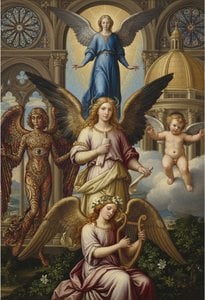
Explore the profound beauty of angelic figures in art history. From Renaissance masterpieces to celestial symbolism, our expert guide offers a sophisticated journey through the divine imagery of the Old Masters for discerning collectors and art enthusiasts.

Discover the ethereal beauty of premium watercolor reproductions and bespoke commissions at WahooArt. From museum-quality landscapes to custom AI-enhanced portraits, our master artists deliver unparalleled craftsmanship and white-glove service for discerning collectors worldwide.
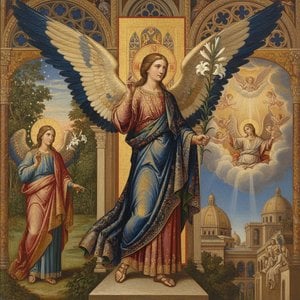
Explore the profound beauty of Angel Gabriel in art history. From Renaissance masterpieces to Baroque splendor, our expert guide delves into the sacred iconography and timeless techniques of these divine messengers for the discerning art enthusiast.

Discover the ethereal beauty of watercolor through an art-historical lens. Master the delicate balance of light, fluidity, and pigment to capture the luminous essence of nature, inspired by the legendary techniques of the Old Masters and Impressionist greats.
 Podgląd w skali 1:1
 Wyślij jako kartkę
 Udostępnij
 Szczegóły dzieła
 Przewodnik

 Pobierz obraz
 Podobne obiekty
 RTG
RTG Pokaz slajdów
 Q&A
Q&A Statystyki

 Rozwiń treść









 Opcja ze szkłem jest dostępna wyłącznie w rozmiarach poniżej 110 cm


