


Wydruki giclée lub płótna o jakości muzealnej, szybka realizacja i szeroki wybór opcji wykończenia. ( Zamów ręcznie malowaną reprodukcję Przejdź do wersji cyfrowej)





























Wybierz spośród naszych standardowych rozmiarów, które zachowują oryginalne proporcje dzieła sztuki.

Wpisz wymaganą szerokość i wysokość, aby dopasować grafikę do ramy lub ściany. Wydruk można jedynie przyciąć, nigdy nie powiększając go poza oryginalny obraz, dlatego format o innych proporcjach spowoduje utratę części kompozycji. Przed rozpoczęciem druku prześlemy Ci cyfrowy podgląd do zatwierdzenia. Obraz wyświetlany na tej stronie nie pokazuje rzeczywistego przycięcia — jedynie podgląd oddaje ten efekt.
Dostawa na cały świat () w ciągu 2 tygodni zamiast standardowych 4/5 tygodni. (10 Listopad)
Madonna and Child
Wymiary reprodukcji
Guercino’s “Madonna and Child,” painted in 1622, isn't merely a depiction of the Virgin Mary cradling her infant son; it’s a profound meditation on faith, motherhood, and the delicate balance between earthly beauty and divine grace. Born Giovanni Francesco Barbieri in Cento, Italy, Guercino – a name ironically derived from “squinter,” meaning squint-eyed – forged a distinctive artistic path, diverging sharply from the prevailing classical ideals of his time. Unlike many of his contemporaries striving for idealized perfection, Guercino embraced a raw, intensely emotional realism, channeling the turbulent spiritual atmosphere of 17th-century Italy into every brushstroke. This painting exemplifies that approach, offering a glimpse into a world where piety and passion intertwine.
The scene unfolds within a modestly furnished interior – a simple wall adorned with a clock, a subtle detail suggesting the passage of time and the fleeting nature of earthly existence. Mary, rendered in rich, warm tones, is presented not as an ethereal goddess but as a deeply human mother, her gaze fixed intently on her child. The baby Jesus, nestled securely within her arms, exudes an innocent charm that belies the weighty theological significance of the image. Guercino masterfully employs *chiaroscuro*, the dramatic interplay of light and shadow, to draw the viewer’s eye directly to the central figures, creating a sense of intimacy and immediacy. The use of deep shadows around Mary's face and hands emphasizes her maternal role, while the soft illumination on the infant highlights his purity and vulnerability.
Guercino’s technical prowess is immediately evident in the painting’s dynamic composition and meticulous detail. He was a highly skilled draftsman, and this skill translates seamlessly into the painted surface. The drapery of Mary's robes flows with an almost sculptural quality, rendered with remarkable precision and attention to texture. Notice the subtle variations in color and tone – the deep crimson of the cloth contrasted against the lighter background—a testament to his understanding of light and shadow. His brushwork is characterized by a loose, expressive style that conveys both energy and control. The figures are not idealized; they possess a tangible physicality, reflecting Guercino’s commitment to portraying human emotion with unflinching honesty.
The painting's palette leans towards earthy tones – browns, ochres, and reds—creating a sense of groundedness and realism. However, these muted colors are punctuated by flashes of vibrant color in the infant Jesus’s garments, drawing attention to his divine nature. The artist skillfully employs *sfumato*, a technique popularized by Leonardo da Vinci, to soften edges and create a hazy atmosphere, contributing to the painting's overall sense of depth and mystery.
Beyond its aesthetic qualities, “Madonna and Child” is rich in symbolic meaning. The pose itself—Mary nursing her child—is a direct reference to the biblical story of breastfeeding, symbolizing nourishment, protection, and divine grace. The clock on the wall serves as a poignant reminder of mortality, suggesting that Mary’s role as mother transcends earthly concerns. The inclusion of two additional figures in the background – a man on the left and another on the right—adds an element of narrative complexity, perhaps hinting at the broader context of Mary's life and her connection to the wider world.
Furthermore, Guercino’s style aligns with the Counter-Reformation’s emphasis on emotional engagement in religious art. Unlike the static, idealized Madonnas of earlier periods, Guercino’s depiction is imbued with a palpable sense of warmth and compassion. It invites viewers to connect with Mary's maternal love and contemplate the profound mysteries of faith. The painting speaks not just to the eye but also to the heart, resonating with viewers across centuries.
Reproductions of Guercino’s “Madonna and Child” offer a remarkable opportunity to bring this powerful work of art into any setting. The meticulous detail and expressive brushwork are faithfully captured in high-quality prints, allowing viewers to appreciate the artist's genius even without experiencing the original firsthand. Whether adorning a private study or gracing a grand salon, this iconic image continues to evoke feelings of serenity, devotion, and timeless beauty. Consider a hand-painted reproduction for an authentic touch that captures the essence of Guercino’s masterpiece.
„Madonna and Child” – Guercino prezentuje Bold kontrast między jasnymi a ciemnymi partiami dzieła.
Nie – dzieło znajduje się poza granicami kraju artysty. Guercino urodził(a) się w Włochy, a oryginał dzieła „Madonna and Child” znajduje się w muzeum w Niemcy.
Guercino jest znany/a również pod pseudonimami: Il Guercino, Giovanni Francesco Barbieri.


1591 - 1666 , Włochy
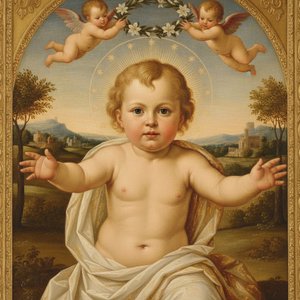
Explore the profound beauty of Baby Jesus in fine art history. From Raphael's Renaissance masterpieces to symbolic light, discover how classical painters captured divine innocence through masterful technique and sacred iconography.

Explore the profound beauty of Marian iconography through an art historian's lens. Discover iconic masterpieces by Raphael and Renaissance masters, celebrating the divine grace and timeless elegance of the Virgin Mary in classical fine art.

Embark on a profound journey through art history with our exploration of the most iconic depictions of the Virgin Mary. Discover the divine grace, symbolism, and masterful techniques found in Renaissance masterpieces and sacred iconography.
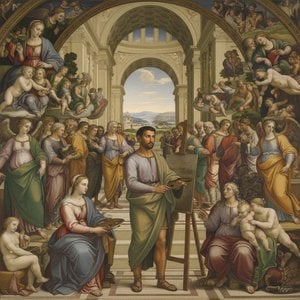
Elevate your home with the sublime harmony of Raphael’s masterpieces. Explore iconic High Renaissance works, from St. George to The School of Athens, and discover how premium, hand-painted reproductions can transform your space into a sanctuary of classical elegance and timeless beauty.
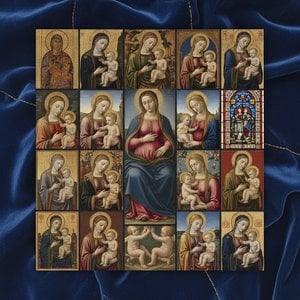
Embark on a sophisticated journey through art history with our curated guide to the most iconic Madonna and Child masterpieces. Discover the profound beauty, theological depth, and enduring legacy of these sacred Renaissance treasures.
 Podgląd w skali 1:1
 Wyślij jako kartkę
 Udostępnij
 Szczegóły dzieła
 Przewodnik

 Pobierz obraz
 Podobne obiekty
 RTG
RTG Pokaz slajdów
 Pytania i odpowiedzi
 Statystyki


 Rozwiń treść









 Opcja ze szkłem jest dostępna wyłącznie w rozmiarach poniżej 110 cm


