Biografia artysty
Giuseppe Maria Longhi: A Milanese Master of Neo-Classical Portraiture
Giuseppe Maria Longhi, born in Monza in 1766 and tragically passing away in Milan in 1831, stands as a pivotal figure within the vibrant artistic landscape of early 19th-century Italy. More than simply a painter, he was a meticulous craftsman, an astute observer of human nature, and a skilled engraver whose work continues to resonate with a quiet elegance. His legacy is deeply intertwined with Milanese society, reflecting its burgeoning cultural life and offering a unique window into the era’s aristocratic circles. Longhi's career unfolded against a backdrop of significant artistic shifts – the waning influence of Rococo giving way to the ascendance of Neoclassicism, mirroring broader European trends while retaining a distinctly Italian sensibility.
Early Life and Artistic Foundations
Longhi’s early years were marked by a grounding in traditional religious education within the seminaries of Monza and Milan. While initially destined for the priesthood, his innate talent for drawing quickly became apparent, attracting the attention of Antonio Mussi, a future Rector of the Biblioteca Ambrosiana, who recognized and nurtured his artistic potential. This mentorship proved crucial, providing Longhi with a rigorous foundation in observation and technique – skills he would later expertly translate into his celebrated portraiture. Crucially, his family’s connection to the antique trade exposed him to a world of art history and connoisseurship, fostering an appreciation for classical forms and influences that would shape his artistic vision. His relative, Fedele Caronni, a religious man from Monza known for his expertise in antiquities, also played a significant role in shaping Longhi’s early artistic development.
The Influence of Rome and the Rise of Portraiture
A pivotal moment in Longhi's career arrived with an invitation to study under Carlo Maratti in Rome. Though he ultimately declined the opportunity to fully embrace Roman artistic traditions, this period proved invaluable, exposing him to the techniques of master portraitists and solidifying his understanding of anatomy and composition. Returning to Milan, Longhi quickly established himself as a sought-after portraitist, catering primarily to the wealthy elite of the city. His portraits weren’t merely likenesses; they were carefully constructed narratives, capturing not just physical appearance but also social standing, personality, and even subtle emotional states. He skillfully employed a restrained palette and precise detailing, reflecting the Neoclassical emphasis on clarity and order. His ability to capture the nuances of character – a hint of melancholy in a nobleman’s gaze, a quiet dignity in a lady's posture – cemented his reputation as one of Milan’s most accomplished portraitists.
Notable Works and Engravings
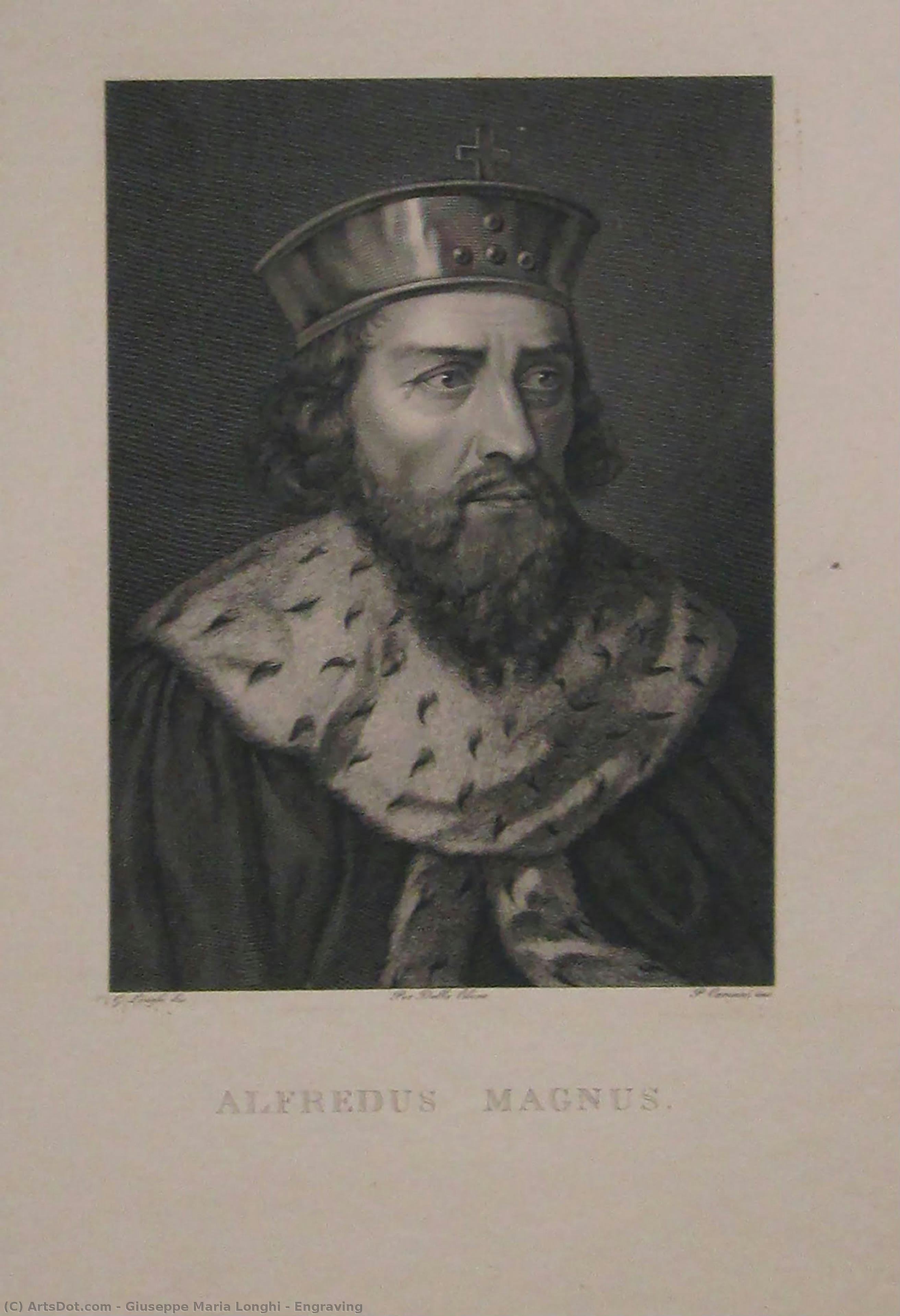
Among Longhi’s most celebrated works is “The Marriage of the Virgin,” a monumental copper plate engraving completed in 1820, now housed at The Metropolitan Museum of Art. This piece exemplifies his technical mastery and artistic vision, showcasing a remarkable level of detail and a sophisticated understanding of light and shadow. His meticulous attention to detail extended beyond portraiture; he also produced engravings after works by Raphael and Leonardo da Vinci, demonstrating his deep appreciation for the classical canon. Furthermore, Longhi’s later years were dedicated to a monumental project – two large copper plates depicting Michelangelo's "The Last Judgment," a testament to his ambition and technical prowess. Though only a few proofs survive, these ambitious undertakings underscore his commitment to pushing the boundaries of engraving technique.
Legacy and Historical Significance
Giuseppe Maria Longhi’s impact on Italian art extends beyond his individual achievements. He played a crucial role in establishing Milan as a significant center for Neoclassical portraiture during a period when other major artistic hubs were experiencing shifts in style. His work reflects the social and cultural dynamics of early 19th-century Italy, offering valuable insights into the lives and aspirations of the aristocracy. His influence can be seen in subsequent generations of Italian artists, who continued to draw inspiration from his meticulous technique and nuanced approach to portraiture. Today, Longhi’s works are treasured for their elegance, technical skill, and ability to capture the essence of human character – a testament to the enduring legacy of this Milanese master. His dedication to engraving also helped preserve and disseminate classical art through printmaking, ensuring its continued appreciation for future generations.


 Zobacz w skali 1:1
 Przełącz na wersję drukowaną
 Wyślij
 Udostępnij
 Szczegóły
 Przewodnik

 Pobierz plik obrazu
 Podobne obiekty
 RTG
RTG Pokaz slajdów
 Statystyki

 Czytaj więcej






































 Opcja ze szkłem jest dostępna wyłącznie w rozmiarach poniżej 110 cm


