Zobacz w skali 1:1 Zobacz w AR Przełącz na wersję drukowaną Kup ręcznie malowany obraz Wyślij
Szczegóły Dodaj do ulubionych Pobierz plik obrazu Podobne obiekty RTG Pokaz slajdów Statystyki

Warwick Castle

Admire Canaletto's masterful depiction of Warwick Castle’s renovation project – a vibrant panorama showcasing Capability Brown’s landscape enhancements and the bustling activity of the era.

"Meta Description": "Giovanni Antonio Canal, znany jako Canaletto, malował oszałamiające widoki Wenecji i Londynu w stylu weduty. Jego precyzyjne rysunki i technika camera obscura uczyniły go jednym z najważniejszych przedstawicieli sztuki barokowej."

Kup wysokiej rozdzielczości, ulepszony obraz cyfrowy o jakości znacznie przewyższającej podgląd online.

Każdy plik jest starannie przygotowywany przez naszych specjalistów przy użyciu zaawansowanych narzędzi oraz profesjonalnej, ręcznej retuszy. Dbamy o to, aby każdy obraz cechował się wyjątkową ostrością, precyzyjnym odwzorowaniem kolorów i subtelnymi detalami.

Ostateczny plik dostarczany jest drogą mailową w ciągu 72 godzin, zoptymalizowany do natychmiastowego wykorzystania w profesjonalnych zastosowaniach redakcyjnych i poligraficznych. To ta sama jakość, której ufają czołowe studia projektowe, wydawnictwa oraz galerie sztuki.

Obraz cyfrowy

Pobierz plik o wysokiej rozdzielczości do osobistego użytku, druku oraz projektów kreatywnych. ( Przełącz na wersję drukowaną Kup ręcznie malowany obraz)

Cena całkowita

$ 24,90

W każdym zamówieniu na obraz cyfrowy znajduje się

Profesjonalna dostawa cyfrowa z gwarancją

Wybierając WahooArt.com, nie otrzymujesz jedynie obrazu – otrzymujesz profesjonalnie udoskonalone cyfrowe dzieło sztuki, stworzone z najwyższą precyzją i objęte gwarancją satysfakcji. Oto wszystko, co automatycznie dołączane jest do Twojego zamówienia:

shipping_icon
Błyskawiczna dostawa e-mailowa

Plik z obrazem cyfrowym w wysokiej rozdzielczości zostanie przesłany na Twój adres e-mail w ciągu 72 godzin od złożenia zamówienia – gotowy do natychmiastowego użycia.

canvas_icon
Plik cyfrowy ulepszony przez AI

Twoja grafika została profesjonalnie zoptymalizowana przy użyciu zaawansowanych narzędzi AI oraz ręcznej edycji, co zapewnia maksymalną szczegółowość, klarowność i wierność kolorów.

insurance_icon
Bezpłatna dożywotnia ponowna dostawa

Przypadkowo usunąłeś lub zgubiłeś swój plik? Bez obaw – prześlemy go Tobie ponownie w dowolnym momencie, bez żadnych opłat.

tax_icon
Bez opłat importowych – zawsze

Ciesz się swoją sztuką natychmiast, bez żadnych opłat celnych, należności ani kosztów dostawy – pliki cyfrowe są zawsze wolne od podatku.

color_icon
Gwarancja odwzorowania kolorów

Dzięki zastosowaniu profesjonalnych narzędzi i procesów zarządzania barwą zapewniamy, że Twoje cyfrowe zdjęcie odzwierciedla oryginalne kolory tak wiernie, jak to tylko możliwe.

return_icon
100 dni na satysfakcję

Jeśli nie będziesz zadowolony ze swojego cyfrowego obrazu, poprawimy go lub zwrócimy 100% kosztów w ciągu 100 dni – bez zbędnych pytań.

guarantee_icon
100% Gwarancja zwrotu pieniędzy

Nie jesteś zadowolony? Otrzymaj pełny zwrot kosztów w ciągu 100 dni od otrzymania pliku cyfrowego – bez zbędnych pytań.

discount_icon
Rabaty przy zamówieniach hurtowych

Kup 3 obrazy, oszczędź 10% - Kup 5, oszczędź 15% - Kup 10+, oszczędź 20%. Idealne do projektów kreatywnych, galerii i agencji.

Kluczowe informacje

  • Medium: Oil on canvas
  • Influences: Capability Brown
  • Title: Warwick Castle
  • Dimensions: 37 3/4 × 56 1/4 × 3 1/2 inches (95.9 × 142.9 × 8.9 cm)
  • Artistic style: Topographical
  • Year: 1749
  • Subject or theme: Castle Architecture; Landscape Gardening

Quiz wiedzy o sztuce

Do każdego pytania dotyczy tylko jedna poprawna odpowiedź.

Pytanie 1:
What is the title of the artwork depicted?
Pytanie 2:
In what year was this painting created?
Pytanie 3:
Which artist is credited with creating this work?
Pytanie 4:
What element suggests the castle was once used for transportation or defense in the scene?
Pytanie 5:
Canaletto is known for developing a signature style of painting, which is best described as:

A Glimpse into English Grandeur: Warwick Castle by Canaletto

To gaze upon this depiction of Warwick Castle is to be transported across the centuries, standing at the confluence of medieval might and Rococo elegance. Painted in 1749, this work captures more than just stone and mortar; it encapsulates a moment in time when history was both preserved and presented for admiration. Canaletto, the master chronicler of Italian light and grand vistas, brought his unparalleled skill to document this magnificent English landmark. The sheer scale suggested by the many towers and turrets speaks to centuries of strategic importance, making the castle itself a monumental subject worthy of such detailed artistic reverence.

The Artistry of Topographical Mastery

Canaletto’s signature style shines through with breathtaking clarity. While he is perhaps most famous for his luminous portrayals of Venice, his ability to render architectural grandeur in any setting remains evident here. Observe the meticulous detail applied to the stonework; every angle and curve seems captured with scientific precision, yet it breathes with life. The composition is masterfully balanced, drawing the eye from the foreground activity—the strolling figures suggesting leisurely promenade—back towards the imposing bulk of the castle itself. This technical brilliance allows the viewer to appreciate both the solid permanence of the architecture and the ephemeral nature of human life passing before it.

Life in the Courtyard: Narrative and Atmosphere

What elevates this piece beyond mere architectural record is the vibrant sense of narrative woven throughout the scene. The inclusion of several people meandering through the grounds suggests a day of pleasure, perhaps during a grand festival or royal visit. Further enhancing this liveliness are the birds soaring in the azure sky, their flight adding a delicate, airy counterpoint to the heavy stone below. Even the presence of a boat upon the water hints at the castle's enduring connection to its surrounding waterways—a vital artery for both defense and daily commerce. It is a scene brimming with implied sound: the murmur of conversation, the cry of gulls, and the gentle lapping of water against ancient foundations.

A Timeless Echo for Modern Spaces

For the collector or designer seeking to infuse a space with depth, history, and unparalleled artistry, this reproduction offers profound resonance. It speaks to an appreciation for enduring beauty—the kind that withstands the passage of time. Imagine this piece gracing a drawing-room or library; it acts as a sophisticated conversation starter, inviting contemplation on eras past. Canaletto’s ability to marry documentary accuracy with romantic atmosphere ensures that the artwork feels both scholarly and deeply emotional, making it a centerpiece that anchors any grand interior design scheme.


Biografia artysty

early life and training

Giovanni Antonio Canal, better known as Canaletto, was born on October 18, 1697, in the heart of Venice – a city he would dedicate his entire artistic career to capturing. His early years were steeped in the world of theatrical scenery; his father, Bernardo Canal, was a skilled painter specializing in creating backdrops for Venetian opera productions. This formative environment instilled in young Giovanni an appreciation for composition, perspective, and the dramatic use of light – skills that would later become hallmarks of his distinctive style. Artemisia Barbieri, his mother, further nurtured his artistic sensibilities, providing him with a foundation in drawing and observation. Canaletto’s initial training wasn't solely focused on grand landscapes; he learned the fundamentals of painting through his father’s work, absorbing techniques for creating convincing illusions of depth and space within theatrical settings. This early exposure to stagecraft undoubtedly shaped his later approach to depicting urban environments – a meticulous attention to detail and an understanding of how to guide the viewer's eye through a complex scene.

the making of a master: Rome and the Opera

In 1718, at the age of twenty-one, Canaletto embarked on a significant chapter in his artistic development by traveling to Rome. This journey marked a pivotal shift from theatrical scenery to more independent painting. He found work assisting Alessandro Scarlatti, a renowned composer, creating elaborate sets for two operas – an experience that profoundly influenced his artistic vision. Working within the demanding world of opera production honed his skills in drafting precise perspective drawings and understanding how to create convincing illusions of space on stage. The vibrant colors, dynamic compositions, and theatrical lighting he witnessed during this period undoubtedly left a lasting impression, contributing to the richness and dramatic quality characteristic of his later Venetian views. It was here that Canaletto began to develop his signature topographical style – a method of representing cities and landscapes with remarkable accuracy and detail.

a venetian perspective: topographical mastery

Upon returning to Venice in 1720, Canaletto quickly established himself as one of the leading veduta painters of his time. Vedute, meaning “views” in Italian, were meticulously rendered depictions of urban landscapes – a genre that had gained popularity throughout Europe during the 18th century. Canaletto’s approach was revolutionary; he didn't simply paint what he saw but rather created detailed records of Venice, capturing its intricate network of canals, bridges, and buildings with astonishing precision. He employed a systematic method, making numerous preparatory sketches – often using a camera obscura (though the extent to which he utilized this device remains debated by art historians) – before committing his observations to canvas. His paintings weren’t merely accurate reproductions; they were carefully composed works of art, designed to evoke a sense of atmosphere and place. He skillfully used light and shadow to create depth and perspective, transforming ordinary cityscapes into captivating scenes that reveal the beauty and complexity of Venetian life.

notable works and collaborations

Canaletto’s artistic output was prolific, encompassing a vast range of subjects – from grand public buildings like the Rialto Bridge and St. Mark's Square to bustling market scenes and intimate interiors. Some of his most celebrated works include “The Stonemason’s Yard” (circa 1725), a vibrant depiction of a busy workshop that showcases his early skill in capturing detail and atmosphere; “Regatta on the Grand Canal” (1730), a lively portrayal of a Venetian boat race, brimming with color and movement; and "Eton College" (1746-1756), a testament to his influence in England, where he painted several views of Cambridge. Crucially, Canaletto’s artistic journey was inextricably linked to the work of his nephew, Bernardo Bellotto. They collaborated closely for many years, sharing techniques and influencing each other's style – though it is often difficult to discern precisely who executed which elements of a shared composition. This partnership significantly expanded their collective output and cemented their place as leading veduta painters.

legacy and influence

Canaletto’s work exerted a profound and lasting impact on 18th-century art, particularly in the development of the veduta genre. His meticulous attention to detail, his skillful use of perspective, and his ability to capture the atmosphere of Venice inspired countless artists – including his nephew Bernardo Bellotto and later generations of landscape painters. His paintings are now housed in prestigious museums around the world, including the National Gallery in London, where they serve as a powerful reminder of Venice’s beauty and Canaletto's extraordinary artistic legacy. His influence can still be felt today, as artists continue to draw inspiration from his masterful depictions of urban landscapes. The Palumbo-Fossati Collection in Venice offers a particularly comprehensive view of his oeuvre, allowing visitors to immerse themselves in the world of this remarkable Venetian artist. Remember to explore more about Canaletto at https://WahooArt.com/@/giovanni-antonio-canal

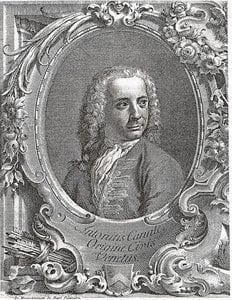
Canaletto

Canaletto

1697 - 1768 , Włochy

Najważniejsze informacje

  • Artistic Movement Or Style: Vedute Wenecji
  • Artists Or Movements Influenced By This Artist: ['Giovanni Paolo Pannini']
  • Artists Who Influenced This Artist: ['Tintoretto']
  • Date Of Birth: 18 paź 1697
  • Date Of Death: 19 kwie 1768
  • Full Name: Giovanni Antonio Canal
  • Nationality: Włoski
  • Notable Artworks:
    • Dom kamieniarskiej
    • Regata na Canale Grande
    • Eton College
  • Place Of Birth: Wenecja, Włochy