x
Podgląd w skaliPodgląd w skali Podgląd ARPodgląd AR Zamów ręcznie malowaną reprodukcję Zamów ręcznie malowaną reprodukcjęKup obraz wysokiej rozdzielczości Kup obraz wysokiej rozdzielczości Wyślij jako kartkęWyślij jako kartkę
Szczegóły dziełaSzczegóły dzieła Dodaj do ulubionych Dodaj do ulubionych PobierzPobierz Podobne obiektyPodobne obiekty RTGRTG Pokaz slajdówPokaz slajdów

Perspective View (Stage design)

Discover Canaletto's 'Perspective View (Stage design)': A captivating capriccio depicting a fantastical Roman Capitol stage set, showcasing intricate details and masterful perspective.

"Meta Description": "Giovanni Antonio Canal, znany jako Canaletto, malował oszałamiające widoki Wenecji i Londynu w stylu weduty. Jego precyzyjne rysunki i technika camera obscura uczyniły go jednym z najważniejszych przedstawicieli sztuki barokowej."

Giclée / Wydruk artystyczny

Druk giclée lub płótno o jakości muzealnej, szybka realizacja i szeroki wybór opcji wykończenia. (Zamów ręcznie malowaną reprodukcję Zamów ręcznie malowaną reprodukcjęKup obraz wysokiej rozdzielczości Kup obraz wysokiej rozdzielczości)

P118B $10
P118H $10
P118W $10
P438Z $10
P508JH $12
P508YH $12
P805H $10
P805Z $10
P919BZ $10
P919G $10
P919XJ $10
P959ZH $10
P968JZ $12
W106C $8
W218G $10
W218JH $8
W218Y $10
W307PJ $10
W316G $10
W316PJ $8
W316Y $10
W398PJ $8
W4111J $10
W500HY $15
W500JH $15
W692G $12
W849H $8
W940BG $15
W953PJ $8

Standardowy rozmiar
na wymiar
CM
INCH

Wybierz spośród naszych standardowych rozmiarów, które zachowują oryginalne proporcje dzieła sztuki.

szerokość
wysokość

Możesz wprowadzić własne wymiary, aby dopasować dzieło do konkretnej ramy lub przestrzeni. Jeśli wybrany rozmiar nie będzie odpowiadał proporcjom oryginalnego obrazu, przytniecie dzieło lub rozszerzymy obraz za pomocą odbicia lustrzanego lub jednolitego wypełnienia krawędzi. Przed rozpoczęciem produkcji prześlemy cyfrową wizualizację do Twojej akceptacji.
Prosimy pamiętać, że podgląd na ekranie nie odzwierciedla faktycznego przycinania ani rozszerzania. Tylko wizualizacja dokładnie pokaże końcową kompozycję.
Mimo dostępności niestandardowych rozmiarów, zalecamy wybór wymiaru z listy zdefiniowanej, aby zachować oryginalne proporcje.

Dostawa na cały świat () w ciągu 2 tygodni zamiast standardowych 4/5 tygodni. (1 Wrzesień)

why_choose_icon
Bezpłatna ekspresowa wysyłka na cały świat
why_choose_icon
Wysokiej jakości płótno lniane
why_choose_icon
Pełne ubezpieczenie przesyłki
why_choose_icon
Gwarancja zwrotu należności celnych i podatków importowych
why_choose_icon
Gwarancja wiernego odwzorowania kolorów
why_choose_icon
Polityka 60-dniowego zwrotu (tylko w przypadku wad)
why_choose_icon
Gwarancja 100% zwrotu kosztów
why_choose_icon
Zniżka przy zamówieniu wielu produktów

Suma całkowita

$ 68

reproduction

Perspective View (Stage design)

Giclée / Wydruk artystyczny

Wymiary reprodukcji

-

Cena całkowita

$ 68

Szybki podgląd

  • Movement: Venetian School
  • Title: Perspective View (Stage design)
  • Medium: Oil on canvas
  • Notable elements or techniques: Perspective, foreshortening
  • Artistic style: Veduta, Capriccio
  • Artist: giovanni antonio canal

Quiz o sztuce

Do każdego pytania dotyczy tylko jedna poprawna odpowiedź.

Pytanie 1:
What is the primary subject depicted in ‘Perspective View (Stage design)’?
Pytanie 2:
The description mentions that the painting may have been created shortly after Canaletto’s stay in Rome. What does this suggest about its style?
Pytanie 3:
The painting features a prominent equestrian monument. What historical figure does it resemble?
Pytanie 4:
According to the description, what is a key characteristic of Canaletto’s style that has been debated by scholars?
Pytanie 5:
What type of perspective is prominently featured in ‘Perspective View (Stage design)’?

A Captivating Vision of Venetian Theatre

Canaletto’s “Perspective View (Stage Design)” is more than just a depiction of a bustling scene; it's a window into the vibrant theatrical culture of 18th-century Venice. Painted likely in the early 1720s, this capriccio – a term Canaletto himself employed for imaginary or idealized views – transports us to a fantastical Capitol, glimpsed through a grand loggia adorned with Corinthian columns and shimmering with golden ornamentation. The composition is anchored by an equestrian monument, reminiscent of Marcus Aurelius, rising majestically from the steps of a triumphal arch, creating a powerful sense of grandeur and historical resonance.

The painting’s genius lies not merely in its technical precision but also in its evocative atmosphere. Canaletto masterfully employs linear perspective to draw the viewer into this meticulously rendered space. The receding lines of the loggia, the diminishing scale of the statues, and the subtle shifts in light create a convincing illusion of depth, inviting us to step through the painted world and become part of the scene. Notice how he uses atmospheric perspective – distant elements are paler and less defined, contributing to the overall sense of vastness and theatrical spectacle.

The Artist’s Context: Canaletto and Venetian Topography

Giovanni Antonio Canal, known as Canaletto, was a pivotal figure in the development of topographical painting. Born in Venice in 1697, he initially trained under his father, Bernardo Canal, a stage designer for theatrical productions. This early experience instilled in him a deep understanding of perspective and spatial relationships – skills that would later define his remarkable career. Canaletto’s work was profoundly shaped by the bustling commercial activity of Venice, a city renowned for its trade and artistic patronage. He meticulously documented the city's canals, palaces, markets, and everyday life, creating a vast archive of visual records.

His approach differed significantly from earlier Venetian painters who focused primarily on religious or mythological subjects. Canaletto’s interest lay in capturing the tangible reality of Venice – its architecture, its people, and its atmosphere. This shift towards secular subject matter reflected a broader cultural trend during the 18th century, as artists increasingly sought to depict the world around them with greater accuracy and detail. The painting's attribution has been debated by scholars, but Stefano Susinno recognized it as a unique example in Canaletto’s oeuvre due to its drawing, points of light, and similarities to other capricci.

Symbolism and Theatrical Allusion

Beyond its technical brilliance, “Perspective View (Stage Design)” is rich in symbolic meaning. The equestrian monument, a reference to Roman emperors, suggests an ideal of leadership and power. The triumphal arch evokes the grandeur of ancient Rome, while the golden ornaments symbolize wealth and prestige. The inclusion of figures engaged in various activities – musicians, spectators, and performers – underscores the importance of theatre as a central element of Venetian society. It’s a scene brimming with life, energy, and the allure of entertainment.

Interestingly, scholars believe this painting may have been created shortly after Canaletto's stay in Rome (1718-1720), possibly inspired by the city’s ancient ruins and theatrical traditions. The presence of numerous architectural elements reminiscent of Roman antiquity suggests a deliberate attempt to evoke the spirit of the classical world.

A Legacy of Precision and Vision

“Perspective View (Stage Design)” stands as a testament to Canaletto's exceptional skill and artistic vision. It’s a captivating blend of realism, imagination, and theatricality – a painting that continues to delight and intrigue viewers centuries after its creation. Reproductions of this work offer a remarkable opportunity to experience the beauty and detail of Canaletto’s artistry in your own home or office, bringing a touch of Venetian elegance and historical grandeur to any space.


O artyście

early life and training

Giovanni Antonio Canal, better known as Canaletto, was born on October 18, 1697, in the heart of Venice – a city he would dedicate his entire artistic career to capturing. His early years were steeped in the world of theatrical scenery; his father, Bernardo Canal, was a skilled painter specializing in creating backdrops for Venetian opera productions. This formative environment instilled in young Giovanni an appreciation for composition, perspective, and the dramatic use of light – skills that would later become hallmarks of his distinctive style. Artemisia Barbieri, his mother, further nurtured his artistic sensibilities, providing him with a foundation in drawing and observation. Canaletto’s initial training wasn't solely focused on grand landscapes; he learned the fundamentals of painting through his father’s work, absorbing techniques for creating convincing illusions of depth and space within theatrical settings. This early exposure to stagecraft undoubtedly shaped his later approach to depicting urban environments – a meticulous attention to detail and an understanding of how to guide the viewer's eye through a complex scene.

the making of a master: Rome and the Opera

In 1718, at the age of twenty-one, Canaletto embarked on a significant chapter in his artistic development by traveling to Rome. This journey marked a pivotal shift from theatrical scenery to more independent painting. He found work assisting Alessandro Scarlatti, a renowned composer, creating elaborate sets for two operas – an experience that profoundly influenced his artistic vision. Working within the demanding world of opera production honed his skills in drafting precise perspective drawings and understanding how to create convincing illusions of space on stage. The vibrant colors, dynamic compositions, and theatrical lighting he witnessed during this period undoubtedly left a lasting impression, contributing to the richness and dramatic quality characteristic of his later Venetian views. It was here that Canaletto began to develop his signature topographical style – a method of representing cities and landscapes with remarkable accuracy and detail.

a venetian perspective: topographical mastery

Upon returning to Venice in 1720, Canaletto quickly established himself as one of the leading veduta painters of his time. Vedute, meaning “views” in Italian, were meticulously rendered depictions of urban landscapes – a genre that had gained popularity throughout Europe during the 18th century. Canaletto’s approach was revolutionary; he didn't simply paint what he saw but rather created detailed records of Venice, capturing its intricate network of canals, bridges, and buildings with astonishing precision. He employed a systematic method, making numerous preparatory sketches – often using a camera obscura (though the extent to which he utilized this device remains debated by art historians) – before committing his observations to canvas. His paintings weren’t merely accurate reproductions; they were carefully composed works of art, designed to evoke a sense of atmosphere and place. He skillfully used light and shadow to create depth and perspective, transforming ordinary cityscapes into captivating scenes that reveal the beauty and complexity of Venetian life.

notable works and collaborations

Canaletto’s artistic output was prolific, encompassing a vast range of subjects – from grand public buildings like the Rialto Bridge and St. Mark's Square to bustling market scenes and intimate interiors. Some of his most celebrated works include “The Stonemason’s Yard” (circa 1725), a vibrant depiction of a busy workshop that showcases his early skill in capturing detail and atmosphere; “Regatta on the Grand Canal” (1730), a lively portrayal of a Venetian boat race, brimming with color and movement; and "Eton College" (1746-1756), a testament to his influence in England, where he painted several views of Cambridge. Crucially, Canaletto’s artistic journey was inextricably linked to the work of his nephew, Bernardo Bellotto. They collaborated closely for many years, sharing techniques and influencing each other's style – though it is often difficult to discern precisely who executed which elements of a shared composition. This partnership significantly expanded their collective output and cemented their place as leading veduta painters.

legacy and influence

Canaletto’s work exerted a profound and lasting impact on 18th-century art, particularly in the development of the veduta genre. His meticulous attention to detail, his skillful use of perspective, and his ability to capture the atmosphere of Venice inspired countless artists – including his nephew Bernardo Bellotto and later generations of landscape painters. His paintings are now housed in prestigious museums around the world, including the National Gallery in London, where they serve as a powerful reminder of Venice’s beauty and Canaletto's extraordinary artistic legacy. His influence can still be felt today, as artists continue to draw inspiration from his masterful depictions of urban landscapes. The Palumbo-Fossati Collection in Venice offers a particularly comprehensive view of his oeuvre, allowing visitors to immerse themselves in the world of this remarkable Venetian artist. Remember to explore more about Canaletto at https://WahooArt.com/@/giovanni-antonio-canal
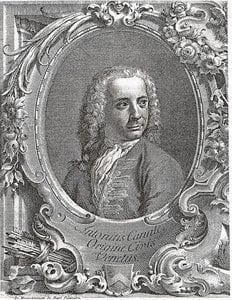
Canaletto

Canaletto

1697 - 1768 , Włochy

Krótka nota

  • Artistic Movement Or Style: Vedute Wenecji
  • Artists Or Movements Influenced By This Artist: ['Giovanni Paolo Pannini']
  • Artists Who Influenced This Artist: ['Tintoretto']
  • Date Of Birth: 18 paź 1697
  • Date Of Death: 19 kwie 1768
  • Full Name: Giovanni Antonio Canal
  • Nationality: Włoski
  • Notable Artworks:
    • Dom kamieniarskiej
    • Regata na Canale Grande
    • Eton College
  • Place Of Birth: Wenecja, Włochy
Odkryj dzieła sztuki uporządkowane według tematów, stylów i cech charakterystycznych.