Zobacz w skali 1:1 Zobacz w AR Kup ręcznie malowany obraz Przełącz na wersję cyfrową Wyślij
Szczegóły Przewodnik Dodaj do ulubionych Pobierz plik obrazu Podobne obiekty RTG Pokaz slajdów Statystyki

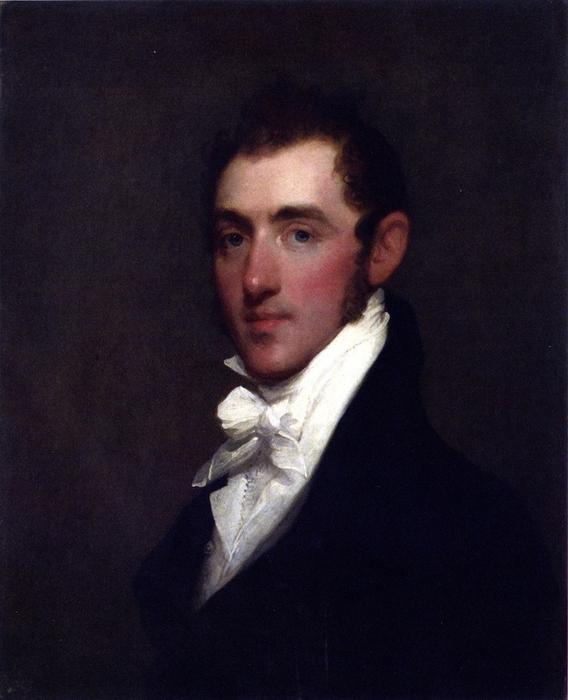
Henry Rice

Experience the Romantic elegance of Gilbert Stuart's 1815 portrait, capturing dignified American life with masterful chiaroscuro; discover this timeless piece today.

Gilbert Stuart (1755-1828): Amerykański malarz portretowy, znany z niedokończonego portretu Washingtona na banknotach oraz stylu neoklasycystycznym. Jego prace dokumentują ważne postacie historii USA.

Giclée / Wydruk artystyczny

Wydruki giclée lub płótna o jakości muzealnej, szybka realizacja i szeroki wybór opcji wykończenia. ( Kup ręcznie malowany obraz Przełącz na wersję cyfrową)

Corner sample of the P118B picture frame: moulded polystyrene, 5 cm wide and 3 cm thick
P118B zł10
Corner sample of the P118H picture frame: moulded polystyrene, 5 cm wide and 3 cm thick
P118H zł10
Corner sample of the P118W picture frame: moulded polystyrene, 5 cm wide and 3 cm thick
P118W zł10
Corner sample of the P438Z picture frame: moulded polystyrene, 5.5 cm wide and 3.5 cm thick
P438Z zł10
Corner sample of the P508JH picture frame: moulded polystyrene, 7 cm wide and 3.5 cm thick
P508JH zł12
Corner sample of the P508YH picture frame: moulded polystyrene, 7 cm wide and 3.5 cm thick
P508YH zł12
Corner sample of the P805H picture frame: moulded polystyrene, 5 cm wide and 3.5 cm thick
P805H zł10
Corner sample of the P805Z picture frame: moulded polystyrene, 5 cm wide and 3.5 cm thick
P805Z zł10
Corner sample of the P919BZ picture frame: moulded polystyrene, 7 cm wide and 3.5 cm thick
P919BZ zł10
Corner sample of the P919G picture frame: moulded polystyrene, 7 cm wide and 3.5 cm thick
P919G zł10
Corner sample of the P919XJ picture frame: moulded polystyrene, 7 cm wide and 3.5 cm thick
P919XJ zł10
Corner sample of the P959ZH picture frame: moulded polystyrene, 5 cm wide and 3 cm thick
P959ZH zł10
Corner sample of the P968JZ picture frame: moulded polystyrene, 6 cm wide and 4 cm thick
P968JZ zł12
Corner sample of the W106C picture frame: solid wood, 5 cm wide and 3 cm thick
W106C zł8
Corner sample of the W218G picture frame: solid wood, 5 cm wide and 3 cm thick
W218G zł10
Corner sample of the W218JH picture frame: solid wood, 5 cm wide and 3 cm thick
W218JH zł8
Corner sample of the W218Y picture frame: solid wood, 5 cm wide and 3 cm thick
W218Y zł10
Corner sample of the W307PJ picture frame: solid wood, 6 cm wide and 3 cm thick
W307PJ zł10
Corner sample of the W316G picture frame: solid wood, 6 cm wide and 3 cm thick
W316G zł10
Corner sample of the W316PJ picture frame: solid wood, 6 cm wide and 3 cm thick
W316PJ zł8
Corner sample of the W316Y picture frame: solid wood, 6 cm wide and 3 cm thick
W316Y zł10
Corner sample of the W398PJ picture frame: solid wood, 5 cm wide and 3 cm thick
W398PJ zł8
Corner sample of the W4111J picture frame: solid wood, 6.5 cm wide and 3.5 cm thick
W4111J zł10
Corner sample of the W500HY picture frame: solid wood, 7 cm wide and 5 cm thick
W500HY zł15
Corner sample of the W500JH picture frame: solid wood, 7 cm wide and 5 cm thick
W500JH zł15
Corner sample of the W692G picture frame: solid wood, 8 cm wide and 4 cm thick
W692G zł12
Corner sample of the W849H picture frame: solid wood, 5 cm wide and 3 cm thick
W849H zł8
Corner sample of the W940BG picture frame: solid wood, 7.5 cm wide and 4.5 cm thick
W940BG zł15
Corner sample of the W953PJ picture frame: solid wood, 6 cm wide and 3.5 cm thick
W953PJ zł8

Standardowy
na zamówienie
CM
INCH

Wybierz spośród naszych standardowych rozmiarów, które zachowują oryginalne proporcje dzieła sztuki.

szerokość
wysokość

Możesz wprowadzić własne wymiary, aby dopasować dzieło do konkretnej ramy lub przestrzeni. Jeśli wybrany rozmiar nie będzie odpowiadał proporcjom oryginalnego obrazu, przytniecie dzieło lub rozszerzymy obraz za pomocą odbicia lustrzanego lub jednolitego wypełnienia krawędzi. Przed rozpoczęciem produkcji prześlemy cyfrową wizualizację do Twojej akceptacji.
Prosimy pamiętać, że podgląd na ekranie nie odzwierciedla faktycznego przycinania ani rozszerzania. Tylko wizualizacja dokładnie pokaże końcową kompozycję.
Mimo dostępności niestandardowych rozmiarów, zalecamy wybór wymiaru z listy zdefiniowanej, aby zachować oryginalne proporcje.

Dostawa na cały świat () w ciągu 2 tygodni zamiast standardowych 4/5 tygodni. (10 Październik)

Bezpłatna ekspresowa wysyłka na cały świat
Wysokiej jakości płótno lniane
Pełne ubezpieczenie transportowe
Gwarancja zwrotu należności celnych i podatków importowych
Gwarancja idealnego odwzorowania barw
100-dniowy okres na zwrot dzieła w przypadku wykrycia wad produkcyjnych
Gwarancja 100% zwrotu pieniędzy
Oferta przy zakupie wielu sztuk

Cena całkowita

zł 253

Henry Rice

Giclée / Wydruk artystyczny

Rozmiar reprodukcji

-

Suma do zapłaty

zł 253

Kluczowe informacje

  • Dimensions: 26 1/2 x 21"
  • Title: Henry Rice
  • Subject or theme: Portrait of Newton Henry Rice
  • Artist: Gilbert Stuart
  • Movement: Neoclassicism
  • Year: 1815
  • Medium: Oil on wood

Quiz wiedzy o sztuce

Do każdego pytania dotyczy tylko jedna poprawna odpowiedź.

Pytanie 1:
What artistic movement is Gilbert Stuart associated with?
Pytanie 2:
Where did Gilbert Stuart receive significant training during his formative years?
Pytanie 3:
What is the primary subject depicted in 'Henry Rice'?
Pytanie 4:
Approximately when was ‘Henry Rice’ painted?
Pytanie 5:
What is notable about the man's expression in the portrait?

A Glimpse into Romantic Elegance

In the quiet, commanding presence of Gilbert Stuart’s 1815 portrait, Henry Rice, one finds much more than a mere historical record; it is an intimate window into the soul of the Romantic era. The painting presents us with Newton Henry Rice, a man whose very countenance seems to bridge the gap between the structured dignity of the past and the burgeoning emotional depth of a new American identity. As we gaze upon his face, we are met with a directness that is both unsettling and deeply captivating. Stuart does not merely capture a likeness; he orchestrates an encounter. The subject’s steady gaze, framed by a meticulously rendered beard and mustache, invites the viewer into a silent dialogue, suggesting a character forged in the crucible of leadership and thoughtful reflection.

The composition of the work possesses a subtle, layered complexity that rewards the lingering eye. While Rice stands as the undeniable protagonist, the presence of figures receding into the soft-focus background hints at a larger narrative of lineage and social connection. This arrangement creates a sense of depth that transcends the two-dimensional plane, suggesting the weight of family and the interconnectedness of the Rhode Island elite during this transformative period. For the collector or the interior designer, this piece offers a profound sense of gravity, making it an ideal centerpiece for spaces that demand a touch of historical prestige and intellectual weight.

The Mastery of Light and Shadow

Technically, Henry Rice is a masterclass in the use of chiaroscuro. Stuart, a titan of American portraiture, employs the dramatic interplay of light and shadow to sculpt the subject’s features with breathtaking realism. The way the light catches the texture of the clothing and the subtle contours of the face creates an illusion of three-dimensional vitality that feels almost tactile. This technique does more than just define form; it imbues the portrait with a luminous, ethereal quality, as if the subject were emerging from the shadows of history into the light of the present moment.

Though Stuart’s roots are firmly planted in the Neoclassical tradition—characterized by order, clarity, and restraint—this particular work whispers of the Romantic movement's arrival. There is a palpable emotional resonance found in the tonal gradations and the soft, expressive lighting that moves away from the austere rigidity of earlier decades. The artist’s brushwork, though smooth and refined, possesses an underlying energy that breathes life into the oil on wood, ensuring that the painting remains vibrant and emotionally accessible even centuries after its completion.

A Legacy for the Discerning Collector

To possess a reproduction of such a significant work is to bring a piece of American heritage into one's personal environment. Henry Rice serves as an evocative symbol of transition—a moment when the old world’s formal structures began to merge with the raw, expressive spirit of the new. It is a work that speaks of strength, stability, and the enduring power of character. Whether placed in a sophisticated study, a grand hallway, or a curated gallery wall, this portrait provides an anchor of timeless elegance.

For those seeking to inspire others through art, this piece offers a rich tapestry of historical context and aesthetic beauty. It is not merely a decoration; it is a conversation starter, a testament to the skill of Gilbert Stuart, and a profound tribute to the dignity of the human spirit. In every stroke of the brush, there is an invitation to contemplate the legacies we leave behind and the enduring grace of a well-lived life.

Pytania i odpowiedzi

Jaki poziom kontrastu prezentuje „Henry Rice” autorstwa Gilbert Stuart?

Kontrast jasności w dziele "Henry Rice" wynosi Gentle. Kontrast określa stopień zróżnicowania między obszarami jasnymi a ciemnymi.

Kto stworzył "Henry Rice"?

Dzieło "Henry Rice" przypisuje się Gilbert Stuart.

Gdzie najlepiej powiesić reprodukcję „Henry Rice” autorstwa Gilbert Stuart?

Format (Portrait) oraz rekomendowana przestrzeń (Living Room) to dwa parametry dotyczące rozmieszczenia dzieła „Henry Rice” autorstwa Gilbert Stuart.

Jaki rozmiar i orientacja są zalecane dla wydruku dzieła „Henry Rice” autorstwa Gilbert Stuart?

W przypadku "Henry Rice" zalecanym formatem wydruku jest rozmiar Medium oraz orientacja Portrait.

Ile lat miał Gilbert Stuart, gdy powstało dzieło „Henry Rice”?

Gilbert Stuart miał 60 lat, tworząc „Henry Rice” w 1815. Wiek ten został obliczony na podstawie roku urodzenia artysty, 1755.

W którym roku powstało dzieło "Henry Rice"?

Dzieło "Henry Rice" pochodzi z 1815 roku. Data ta pozwala umiejscowić pracę w kontekście twórczości Gilbert Stuart oraz epoki, w której powstała.

Z czego wykonano "Henry Rice"?

Gilbert Stuart wykorzystał/a technikę Oil w pracy "Henry Rice". Technika ta definiuje materię oryginalnego dzieła.


Biografia artysty

Gilbert Stuart: Życie zapisane w portretach

  • Urodzony: 3 grudnia 1755, Saunderstown, Rhode Island
  • Zmarł: 9 lipca 1828, Boston, Massachusetts
  • Narodowość: Amerykańska
  • Nurt artystyczny: Neoklasycyzm
  • Znany z: Malarstwa portretowego, w szczególności portretów wybitnych postaci z wczesnej historii Ameryki.

Wczesne lata i kształcenie

  • Gilbert Stuart przyszedł na świat w rodzinie o szkockich korzeniach; jego ojcieł, również imieniem Gilbert, był wynalazcą, który założył pierwszy młyn do produkcji tytoniu na Rhode Island.
  • Jego artystyczny talent objawił się już w bardzo młodym wieku, prezentując niezwykłe umiejętności nawet w dzieciństwie.
  • Mając zaledwie 14 lat, namalował „Spaniely doktora Huntera”, co stanowiło zapowiedź jego przyszłego wielkiego sukcesu.
  • Około 1771 roku udał się do Szkocji, aby kształcić się pod okiem Cosmo Alexandra, jednak powrócił do ojczyzny po śmierci mistrza w 1775 roku.
  • Dalszy rozwój artystyczny nastąpił w Londynie, gdzie w latach 1775–1780 uczył się u Benjamina Westa, znamienitego amerykańskiego malarza mieszkającego w Anglii. Okres ten był kluczowy dla wypracowania jego własnego stylu oraz zdobycia uznania w kręgach Royal Academy.

Kariera artystyczna i najważniejsze dzieła

  • Kariera Stuarta stanęła przed wielkimi wyzwaniemu podczas rewolucji amerykańskiej, co zmusiło go do przeniesienia się do Anglii w 1775 roku.
  • Wczesny sukces przyniósł mu obraz „Łyżwiarz” (1782), portret, który ugruntował jego reputację na arenie międzynarodowej.
  • Jego najsłynniejszym dziełem pozostaje niedokończony portret Jerzego Waszyngtona, znany jako Portret Athenaeum (rozpoczęty w 1796 roku). Obraz ten stał się ikoną, pojawiając się na amerykańskich banknotach i znaczkach pocztowych. Stuart stworzył liczne kopie tego portretu dla mecenasów w całej Ameryce i Europie.
  • Malował także portrety innych wpływowych postaci, w tym Johna Adamsa, Thomasa Jeffersona, Jamesa Madisona oraz wielu przedstawicieli elity Federalistów.
  • Styl Stuarta charakteryzował się podejściem neoklasycystycznym, kładącym nacisk na realizm oraz oddanie podobieństwa i charakteru jego modeli. Często stosował dramatyczne operowanie światłocieniem, aby wzmocnić siłę wyrazu swoich dzieł.

Wpływy i rozwój artystyczny

  • Pierwsze lekcje techniki oraz kompozycji odebrał od Cosmo Alexandra.
  • Niezwykle istotny był wpływ Benjamina Westa, który ukształtował zrozumienie Stuarta dla sztuki portretu i zasad artystycznych.
  • Ruch neoklasycystyczny, z jego przywiązaniem do form klasycznych i ideałów, wywarł ogromny wpływ na estetykę jego malarstwa.
  • Osobiste obserwacje oraz bliskie relacje ze swoimi modelami przyczyniły się do psychologicznej głębi i realizmu w jego portretach. Artysta dążył do uchwycenia nie tylko fizycznego podobieństwa, ale także duszy i osobowości osób, które malował.

Znaczenie historyczne i dziedzictwo

  • Gilbert Stuart jest uznawany za jednego z najważniejszych amerykańskich portrecistów, który odegrał kluczową rolę w dokumentowaniu początków Stanów Zjednoczonych.
  • Portret Athenaeum Jerzego Waszyngtona stał się trwałym symbolem amerykańskiej tożsamości i przywództwa.
  • Jego portrety stanowią bezcenne źródło wiedzy historycznej o życiu i wyglądzie wybitnych postaci z końca XVIII i początku XIX wieku.
  • Dzieła Stuarta znajdują się w najważniejszych muzeach w Stanach Zjednoczonych i Europie, co sprawia, że jego dziedzictwo jest doceniane przez kolejne pokolenia.
  • Stworzył on odrębny amerykański styl portretowy, który w mistrzowski sposób połączył europejskie techniki z unikalną, amerykańską wrażliwością.
Gilbert Stuart

Gilbert Stuart

1755 - 1828 , Wielka Brytania

Najważniejsze informacje

  • Artistic Movement Or Style: Neoklasycyzm
  • Artists Or Movements Influenced By This Artist: ['Francuzi']
  • Artists Who Influenced This Artist:
    • Cosmo Alexander
    • Benjamin West
  • Date Of Birth: 3 grudnia 1755
  • Date Of Death: 9 lipca 1828
  • Full Name: Gilbert Charles Stuart
  • Nationality: Amerykański
  • Notable Artworks:
    • Łyżwiarz
    • Jerzego Waszyngtona
  • Place Of Birth: Newport, Rhode Island
Odkryj dzieła sztuki uporządkowane według tematów, stylów i cech charakterystycznych.