Biografia artysty
Przełomowy Wizjoner Światła i Koloru: Życie i Sztuka Georges’a Seurata
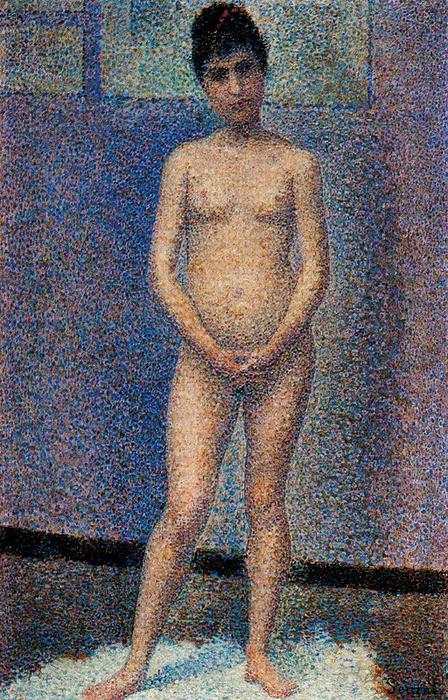
Georges Pierre Seurat, urodzony w Paryżu 2 grudnia 1859 roku, wyłonił się jako kluczowa postać w przejściu od impresjonizmu do sztuki nowoczesnej. Jego krótkie, lecz niezwykle intensywne życie artystyczne zrewolucjonizowało malarstwo poprzez rozwój pointylizmu – techniki opartej na zasadach naukowych i nieustannym dążeniu do prawdy optycznej. Historia Seurata to opowieść o skrupulatnej obserwacji, intelektualnej rygorze oraz głębokiej wrażliwości na niuanse światła i koloru – cechy, które odróżniły go od jego ówczesnych współtwórców i wciąż urzekają odbiorców. Jego dzieciństwo, choć pozornie konwencjonalne, położyło fundamenty pod przyszłe artystyczne poszukiwania. Rodzina przeniosła się na Boulevard de Magenta krótko po jego urodzeniu, a jego ojciec, Antoine Chrysostome Seurat, emerytowany urzędnik prawny i spekulant nieruchomościami, zapewnił młodemu Georgesowi komfortowe wychowanie, umożliwiające dostęp do edukacji artystycznej. Rozpoczął formalne szkolenie w École Municipale de Sculpture et Dessin pod okiem rzeźbiarza Justina Lequiena, a następnie zapisał się na prestiżową École des Beaux-Arts w 1878 roku, studiując pod kierunkiem Henri Lehmanna. Te lata kształtowania charakteru wpoiły mu solidne podstawy tradycyjnych technik, jednak nawet wtedy zaczynał kształtować się jego unikalny charakter artystyczny – połączenie delikatnej wrażliwości i rodzącego się zamiłowania do systematycznej analizy.
Od Korzeni Akademickich do Chromoluminaryzmu
Rozwój artystyczny Seurata nie był nagłym skokiem w innowację, lecz raczej stopniową ewolucją napędzaną intelektualną ciekawością i rygorystycznymi eksperymentami. Początkowo jego prace odzwierciedlały akademickie standardy tamtej epoki, demonstrując biegłość w rysunku i szacunek dla ustalonych zasad kompozycyjnych. Wkrótce jednak zaczął kwestionować te konwencje, poszukując bardziej naukowego podejścia do malarstwa. Zanurzył się w rozwijającej się dziedzinie teorii koloru, studiując pisma takich naukowców jak Michel Eugène Chevreul i Ogden Rood, którzy badali optyczne efekty zestawionych kolorów. To badanie stało się kamieniem węgielnym jego rewolucyjnej techniki – chromoluminaryzmu – nauki o kolorze i jej praktycznego zastosowania, pointylizmu. Sedno idei było zaskakująco proste: nakładanie małych, odrębnych kropek czystych kolorów na płótno, polegając na oku widza, aby optycznie je połączyły i stworzyły żywy, luminescencyjny efekt. Nie chodziło tu jedynie o osiągnięcie jaśniejszych kolorów; chodziło o zrozumienie, jak ludzki układ wzrokowy postrzega światło i kolor oraz wykorzystanie tej wiedzy do stworzenia bardziej dynamicznego i angażującego doświadczenia malarskiego. Skrupulatnie przygotowywał się do swoich monumentalnych kompozycji rysunkami w Conté na papierze o szorstkiej fakturze, starannie planując umiejscowienie każdej kropki, demonstrując niemal matematyczną precyzję w swoim procesie artystycznym.
Kamienie Milowe Innowacji: Główne Dzieła i Wizja Artystyczna
Kulminacją jego badań i eksperymentów jest prawdopodobnie A Sunday Afternoon on the Island of La Grande Jatte (1884-1886), monumentalne dzieło, które zapoczątkowało neoimpresjonizm. To ikoniczne malowidło przedstawiające paryżan spędzających leniwe popołudnie nad Sekwaną, w pełni demonstruje jego technikę pointylistyczną. Postacie, oddane starannie rozmieszczonym kropkom koloru, zdają się mienić i pulsować światłem, tworząc atmosferę spokojnego bezruchu. Alfalfa, Saint-Denis (1886-1887) demonstruje zastosowanie teorii kolorów do krajobrazu wiejskiego, podczas gdy wcześniejsze prace, takie jak Landscape at Saint-Ouen (1882-1883), ukazują jego ewoluujący styl i rosnące zainteresowanie uchwyceniem efektów światła i atmosfery. Nawet przedstawienia nowoczesnego życia paryskiego, takie jak The Eiffel Tower (1889), zostały przekształcone dzięki jego unikalnej technice, prezentując harmonijną fuzję industrialnej nowoczesności i artystycznej innowacji. Bathers at Asnières (1884), kolejne znaczące dzieło, badał tematy rekreacji i życia nowoczesnego w swoim charakterystycznym stylu, zapowiadając bardziej dopracowane podejście widoczne w *La Grande Jatte*. Te obrazy nie były jedynie reprezentacjami scen; były starannie skonstruowanymi eksperymentami wizualnymi zaprojektowanymi do badania możliwości koloru i percepcji.
Trwałe Dziedzictwo: Wpływ i Znaczenie Historyczne
Pomimo tragicznie krótkiego życia – Seurat zmarł w wieku 31 lat w 1891 roku – jego wpływ na świat sztuki był głęboki i dalekosiężny. Jego praca podważała tradycyjne konwencje artystyczne, otwierając drogę dla wielu kolejnych ruchów. Nacisk na subiektywne wyrażenie i eksplorację nowych technik rezonował z artystami dążącymi do zerwania z ograniczeniami akademickimi. Wpływ Seurata można dostrzec w pracach fowistów, którzy przyjęli odważne kolory i ekspresyjne pociągnięcia pędzla; kubistów, którzy dekonstruowali formy na geometryczne kształty oraz ekspresjonistów abstrakcyjnych, którzy priorytetyzowali emocjonalną intensywność i spontaniczny gest. Jego naukowe podejście do malarstwa, choć początkowo kontrowersyjne, ostatecznie poszerzyło definicję możliwości artystycznych. Udowodnił, że sztuka może być zarówno intelektualnie rygorystyczna, jak i emocjonalnie poruszająca – synteza, która wciąż inspiruje artystów dzisiaj. Dziedzictwo Seurata wykracza poza jego innowacje techniczne; pozostawił po sobie dorobek, który uchwycił esencję nowoczesnego życia z niezrównaną precyzją i pięknem, umacniając swoją pozycję jako prawdziwego pioniera sztuki nowoczesnej. Jego obrazy pozostają świadectwem mocy obserwacji, eksperymentowania i trwałego ludzkiego pragnienia zrozumienia świata wokół nas poprzez pryzmat artystycznego wyrazu.


 Zobacz w skali 1:1
 Kup ręcznie malowany obraz
 Wyślij
 Udostępnij
 Szczegóły
 Przewodnik

 Pobierz plik obrazu
 Podobne obiekty
 RTG
RTG Pokaz slajdów
 Statystyki
 Czytaj więcej






































 Opcja ze szkłem jest dostępna wyłącznie w rozmiarach poniżej 110 cm


