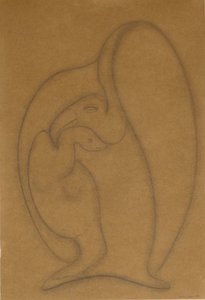
Allan Ramsay: A Pioneer of British Portraiture
Born in Edinburgh, Scotland, on October 13th, 1713, Allan Ramsay’s life and career represent a pivotal moment in the development of portrait painting within Britain. His journey from a young apprentice to a celebrated artist, marked by periods of study in Italy and London, ultimately established him as the foremost painter of his time – a master of capturing both the outward appearance and the inner character of his subjects. Ramsay’s legacy extends beyond individual portraits; he profoundly influenced subsequent generations of British artists and helped shape the evolving standards of artistic excellence.
Ramsay's early life was steeped in literary tradition. His father, Allan Ramsay (the poet), instilled a deep appreciation for art and culture within his son. This familial influence, combined with a rigorous artistic education – initially under Duncan Forbes and later at the French Academy in Rome – provided him with a solid foundation in classical techniques and a keen eye for detail. His time in Italy was particularly formative, exposing him to the works of masters like Francesco Solimena, whose influence is evident in Ramsay’s refined brushwork and elegant compositions. He returned to Britain in 1738, quickly establishing himself as a sought-after portraitist, initially attracting attention with his depictions of prominent figures such as Duncan Forbes of Culloden and Archibald Campbell, the 3rd Duke of Argyll – images that would later become iconic representations of Scottish nobility.
The Rise to Prominence: London and Royal Patronage
Ramsay’s relocation to London in 1740 marked a significant turning point in his career. He established a thriving studio, catering to a diverse clientele including the aristocracy, merchants, and members of the clergy. His ability to capture not just physical likeness but also personality—a subtle gracefulness, an air of intelligence, or a hint of melancholy – quickly garnered him considerable acclaim. He was particularly favored by Francis Egerton, 3rd Duke of Bridgewater, who commissioned numerous portraits, solidifying Ramsay’s position as the court painter of choice. The Duke's patronage brought him into contact with influential figures like George III, further elevating his status and providing opportunities to showcase his talent.
Ramsay’s style evolved throughout his career, reflecting both his classical training and his engagement with contemporary artistic trends. He skillfully blended Italianate elegance with a distinctly British sensibility, creating portraits that were simultaneously refined and approachable. His use of light and shadow, his attention to detail in rendering fabrics and textures, and his ability to convey emotion through subtle gestures all contributed to the remarkable realism and psychological depth of his work. He was also an accomplished draughtsman, producing numerous preparatory sketches – particularly studies of hands and clothing – that demonstrate his meticulous approach to portraiture.
Technique and Influences
Ramsay’s technical skill was underpinned by a deep understanding of anatomy and perspective. He meticulously studied the human form, paying close attention to proportion and musculature. His portraits are characterized by their smooth surfaces, delicate brushwork, and subtle gradations of tone – techniques he likely honed during his time with Francesco Solimena in Naples. While he drew inspiration from Italian masters, Ramsay’s work also reflects the influence of other contemporary artists, including Thomas Hudson, with whom he shared a significant professional relationship, particularly concerning drapery painting. The rivalry between them spurred both to refine their techniques and push the boundaries of portraiture.
Beyond technical proficiency, Ramsay's portraits are notable for their psychological insight. He possessed an extraordinary ability to capture the essence of his subjects—their character, temperament, and social standing—in a single glance. This was achieved through careful observation, astute judgment, and a sensitivity to human expression. His portraits are not merely representations of outward appearance; they offer glimpses into the inner lives of those he depicted.
Legacy and Historical Significance
Allan Ramsay’s impact on British art is undeniable. He established a new standard for portrait painting, elevating it from a mere exercise in likeness to an art form capable of conveying complex emotions and revealing profound psychological truths. His influence can be seen in the work of subsequent generations of artists, including George Romney and Thomas Lawrence. His portraits continue to be admired for their beauty, elegance, and enduring appeal.
Ramsay’s legacy extends beyond his artistic achievements. He was a respected member of London's intellectual elite, engaging in lively discussions with leading writers and thinkers of the day. His portrait of George III, commissioned in 1767, became an iconic image of the British monarchy and remains one of his most celebrated works. Allan Ramsay died on August 10th, 1784, leaving behind a remarkable body of work that continues to captivate audiences today. His contributions to the development of portraiture cemented his place as a pivotal figure in British art history.



 Zobacz w skali 1:1
 Przełącz na wersję drukowaną
 Wyślij
 Udostępnij
 Szczegóły
 Przewodnik

 Pobierz plik obrazu
 Podobne obiekty
 RTG
RTG Pokaz slajdów
 Statystyki
 Czytaj więcej