Sprzedawaj swoją sztukę
x
Podgląd w skaliPodgląd w skali Podgląd ARPodgląd AR Zamów wydruk Zamów wydrukPrzełącz na obraz ręcznie malowany Przełącz na obraz ręcznie malowany Wyślij jako kartkęWyślij jako kartkę
Szczegóły dziełaSzczegóły dzieła Dodaj do ulubionych Dodaj do ulubionych PobierzPobierz Podobne obiektyPodobne obiekty RTGRTG Pokaz slajdówPokaz slajdów

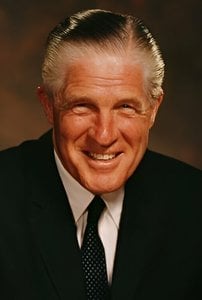
Self portrait

George Romney's 'Self-Portrait' captures the artist's confident gaze and loose brushwork, reflecting his signature late 18th-century style. Explore this iconic portrait of a master painter.

George Romney (1734-1802) – brytyjski malarz portretowy, znany z eleganckich portretów arystokracji. Jego prace charakteryzują subtelny wdzięk i psychologiczna głębia. Odkryj jego świat!

Kup wysokiej rozdzielczości, ulepszony obraz cyfrowy o znacznie wyższej jakości niż podgląd online.

Każdy plik jest starannie przygotowywany przez naszych specjalistów przy użyciu zaawansowanych narzędzi oraz profesjonalnej, ręcznej retuszy. Dbamy o to, aby każdy obraz cechował się wyjątkową ostrością, precyzyjnym odwzorowaniem kolorów i subtelnymi detalami.

Ostateczny plik dostarczany jest drogą mailową w ciągu 72 godzin, zoptymalizowany do natychmiastowego wykorzystania w profesjonalnych zastosowaniach redakcyjnych i poligraficznych. To ta sama jakość, której ufają czołowe studia projektowe, wydawnictwa oraz galerie sztuki.

Obraz cyfrowy

Pobierz plik o wysokiej rozdzielczości do osobistego wyświetlania, druku oraz projektów kreatywnych. (Zamów wydruk Zamów wydrukPrzełącz na obraz ręcznie malowany Przełącz na obraz ręcznie malowany)

Suma do zapłaty

$9.99

W każdym zamówieniu na obraz cyfrowy znajduje się

Profesjonalna dostawa cyfrowa z gwarancją

Wybierając WahooArt.com, nie otrzymujesz jedynie obrazu – otrzymujesz profesjonalnie udoskonalone cyfrowe dzieło sztuki, stworzone z najwyższą precyzją i objęte gwarancją satysfakcji. Oto wszystko, co automatycznie dołączane jest do Twojego zamówienia:

shipping_icon
Błyskawiczna wysyłka e-mailowa

Plik z obrazem cyfrowym w wysokiej rozdzielczości zostanie przesłany na Twój adres e-mail w ciągu 72 godzin od złożenia zamówienia – gotowy do natychmiastowego użycia.

canvas_icon
Plik cyfrowy wzbogacony przez AI

Twoja grafika została profesjonalnie zoptymalizowana przy użyciu zaawansowanych narzędzi AI oraz ręcznej edycji, co zapewnia maksymalną szczegółowość, klarowność i wierność kolorów.

insurance_icon
Dożywotnia darmowa ponowna dostawa

Przypadkowo usunąłeś lub zgubiłeś swój plik? Bez obaw – prześlemy go Tobie ponownie w dowolnym momencie, bez żadnych opłat.

tax_icon
Bez opłat importowych – zawsze

Ciesz się swoją sztuką natychmiast, bez żadnych opłat celnych, należności ani kosztów dostawy – pliki cyfrowe są zawsze wolne od podatku.

color_icon
Gwarancja wierności kolorów

Dzięki zastosowaniu profesjonalnych narzędzi i procesów zarządzania barwą zapewniamy, że Twoje cyfrowe zdjęcie odzwierciedla oryginalne kolory tak wiernie, jak to tylko możliwe.

return_icon
60-dniowa gwarancja satysfakcji

Jeśli nie będziesz zadowolony ze swojego cyfrowego obrazu, dokonamy jego poprawki lub zwrócimy 100% kosztów w ciągu 60 dni – bez żadnych pytań.

guarantee_icon
100% Gwarancja zwrotu pieniędzy

Nie jesteś zadowolony? Otrzymaj pełny zwrot kosztów w ciągu 60 dni od otrzymania pliku cyfrowego – bez zbędnych pytań.

discount_icon
Rabaty przy zamówieniach hurtowych

Kup 3 obrazy, oszczędź 10% - Kup 5, oszczędź 15% - Kup 10+, oszczędź 20%. Idealne do projektów kreatywnych, galerii i agencji.

Szybki podgląd

  • Location: Metropolitan Museum of Art
  • Medium: Oil on canvas
  • Movement: Late 18th Century
  • Influences: European traditions
  • Subject or theme: Self-portraiture
  • Artistic style: Portraiture, informal
  • Year: 1795

Quiz o sztuce

Do każdego pytania dotyczy tylko jedna poprawna odpowiedź.

Pytanie 1:
What is the primary subject of George Romney’s ‘Self-Portrait’?
Pytanie 2:
The loose brushwork and muted color palette in ‘Self-Portrait’ contribute to which overall impression?
Pytanie 3:
During what period did George Romney achieve significant fame as a portrait painter?
Pytanie 4:
What is a notable characteristic of Romney’s technique as seen in ‘Self-Portrait’?
Pytanie 5:
According to the provided research, what was a significant factor in Romney’s limited access to royal patronage?

Opis kolekcjonerski

The Quiet Confidence of a Master’s Gaze

George Romney’s “Self-Portrait,” painted in 1795, isn’t merely a likeness; it's an intimate revelation. Captured during a period of increasing personal struggle – the painting itself hints at a fragility beneath his composed exterior – this work offers a rare glimpse into the mind and spirit of one of England’s most celebrated portrait painters. Romney, a man who commanded the attention of royalty and nobility, chose to depict himself not in opulent grandeur or heroic pose, but with a deliberate simplicity that speaks volumes about his character. The directness of his gaze, meeting the viewer head-on, is profoundly engaging; it's an invitation to share a quiet moment of contemplation, a subtle challenge to be acknowledged.

A Symphony of Earth Tones and Expressive Lines

The painting’s power resides in its masterful use of color and technique. Romney eschews the bright, polished surfaces favored by some of his contemporaries, opting instead for a palette dominated by muted browns, tans, and grays – colors that evoke the textures of earth, fabric, and skin. These tones are applied with loose, gestural brushstrokes, creating a palpable sense of movement and immediacy. The lines themselves aren’t sharply defined; they flow organically across the canvas, suggesting form rather than rigidly outlining it. This technique, characteristic of Romney's style, lends the portrait an air of spontaneity and vitality – as if captured in a fleeting moment. The subtle hints of pink and red within the shadows add depth and complexity to the overall composition, hinting at hidden emotions.

Echoes of the Rococo and Hints of Introspection

Romney’s “Self-Portrait” firmly situates itself within the late 18th-century artistic landscape. While drawing inspiration from the elegance and naturalism of the Rococo, he departs from its excessive ornamentation, embracing a more restrained and introspective approach. The composition, adhering to the traditional bust-length format, focuses intently on the artist’s face – a deliberate choice that underscores his self-awareness and invites viewers to contemplate his inner world. The background, deliberately undefined, serves not as a distraction but as a subtle backdrop for the central figure, amplifying the sense of intimacy and drawing attention entirely to Romney's expression.

Symbolism in the Details: A Portrait of Resilience

Beyond its technical brilliance, the painting is rich with symbolic meaning. The artist’s crossed arms, a gesture of both confidence and vulnerability, suggest a man grappling with personal challenges. The slight downturn of his mouth hints at melancholy, yet his eyes retain a spark of intelligence and determination. Some art historians have noted that the subtle discoloration around Romney's face in this portrait—documented by his son— foreshadowed the illness that would ultimately claim his life. This detail imbues the work with an added layer of poignancy, transforming it from a simple self-portrait into a poignant meditation on mortality and resilience. The painting’s enduring appeal lies not just in its aesthetic beauty but also in its ability to connect us to the human experience—to the joys, sorrows, and quiet struggles that define our lives.

Bringing Romney's Vision Home: High-Quality Reproductions

A reproduction of George Romney’s “Self-Portrait” is more than just a decorative piece; it’s an opportunity to own a fragment of art history. Our meticulously crafted reproductions capture the painting’s nuanced colors, expressive brushstrokes, and profound emotional depth with remarkable fidelity. Whether adorning your living room wall or gracing a study, this artwork will serve as a constant reminder of Romney's artistic genius and his ability to distill the essence of human character into a single, unforgettable image. Explore our collection today and bring a touch of 18th-century England into your home.


Biografia artysty

A Life in Portraiture: The World of George Romney

Born in the picturesque landscape of Dalton-in-Furness, Lancashire, on December 15th, 1734, George Romney ascended to become one of the most sought-after portrait painters of his era. His journey from a cabinet maker’s son to the favored artist of British high society is a compelling narrative of innate talent and unwavering ambition. Early life offered little indication of the artistic path he would forge; initially apprenticed to his father, it was an inherent inclination towards drawing and craftsmanship that led him to Christopher Steele, a local portraitist who had studied in Paris. This apprenticeship proved pivotal, providing Romney with foundational skills and an introduction to European artistic traditions. He quickly surpassed his master, however, demonstrating a precocious talent demanding further cultivation. A brief, unhappy marriage and subsequent separation propelled him towards London in 1762, a city brimming with opportunity but also fierce competition.

Establishing a Reputation: Style and Technique

London proved to be a crucible for Romney’s artistic development. He swiftly established himself as a formidable portraitist, challenging the dominance of artists like Thomas Gainsborough and Sir Joshua Reynolds. While he never sought membership in the Royal Academy – a decision that perhaps limited his access to certain patronage – his success was undeniable. Romney's style evolved over time, initially reflecting the influence of Steele and his Parisian training, but soon blossomed into something distinctly his own. He possessed an exceptional ability to capture not merely the likeness, but also the personality and social standing of his sitters. His portraits are characterized by elegant poses, a refined use of light and shadow, and a subtle psychological insight that set him apart. Romney’s technique was marked by a delicate touch and a preference for flowing lines, often drawing inspiration from classical sculpture. He skillfully employed color to convey texture and depth, creating portraits that were both visually striking and emotionally resonant. His ability to flatter his subjects while maintaining artistic integrity earned him the loyalty of an elite clientele. He understood the power of suggestion, hinting at character rather than explicitly defining it, a quality that appealed to those who valued discretion and refinement. Romney’s compositions often avoided overly dramatic settings, favoring intimate interiors or carefully arranged outdoor scenes – a deliberate choice designed to focus attention on his subjects' expressions and demeanor.

The Muse and Her Influence: Emma Hamilton

Romney’s life took a dramatic turn with his encounter with Emma Hart, later known as Lady Hamilton, in 1782. She became not only his most celebrated model but also his muse, profoundly influencing his artistic output. Emma's beauty, intelligence, and theatrical flair captivated Romney, inspiring a series of portraits that explored themes of classical mythology, dramatic narrative, and feminine grace. He depicted her in various roles – as a bacchante, as the tragic Miranda from Shakespeare’s *The Tempest*, and in numerous allegorical scenes that showcased her expressive range. These works demonstrate Romney's willingness to experiment with composition and symbolism, moving beyond conventional portraiture into more imaginative territory. The Tempest series, in particular, reveals a Romantic sensibility at play, anticipating the emotional intensity of later artists. The relationship was intense and all-consuming for Romney, though ultimately unfulfilled romantically; Emma eventually became the mistress of Lord Nelson, a union that cemented her place in history. Nevertheless, their artistic collaboration left an indelible mark on both their lives and produced some of Romney’s most enduring masterpieces. He painted over 80 portraits of her, each revealing a different facet of her captivating personality. The influence of Emma is evident not only in the subject matter but also in the way Romney handled light and shadow, creating a sense of drama and intimacy within his paintings.

Key Works and Artistic Development

Romney’s artistic journey can be traced through several key works that reveal his evolving style and interests. His early portraits, such as *The Death of General Wolfe*, demonstrated a technical proficiency honed during his apprenticeship but lacked the psychological depth of later pieces. However, after moving to London and encountering Emma Hamilton, Romney's work underwent a significant transformation. Paintings like *Mrs. Carwardine and Son* (1775) and *Sir Christopher and Lady Sykes* (1786) showcased a greater understanding of human emotion and a more refined use of color and composition. The series of portraits depicting Emma Hamilton, particularly those exploring her mythological associations, represent the pinnacle of his artistic achievement. These works are characterized by their elegance, grace, and psychological insight – qualities that cemented Romney’s reputation as one of the leading portrait painters of his time. His later work continued to explore themes of beauty, mythology, and social status, reflecting a growing interest in Romanticism and its emphasis on emotion and imagination.

Legacy and Historical Significance

George Romney's impact on British portraiture is undeniable. He helped shape the aesthetic sensibilities of the late 18th century, contributing to a style that emphasized elegance, psychological depth, and artistic flair. His portraits offer invaluable insights into the lives and tastes of the British elite during his time, providing a visual record of their social customs, fashion, and intellectual pursuits. While he faced periods of self-doubt and struggled with mental health issues in later life – leading to a decline in productivity before his death in Kendal in 1802 – his legacy endures through the hundreds of paintings and drawings that remain as testaments to his skill. Romney’s portraits are not merely representations of individuals; they are windows into a vanished world. His work continues to be admired for its technical brilliance and emotional resonance, securing his place as a significant figure in the history of art.
George Romney

George Romney

1734 - 1802 , Wielka Brytania

Krótka nota

  • Artistic Movement Or Style: Portretystyka, Romantyzm
  • Artists Or Movements Influenced By This Artist: ['Brytyjscy portrecisci']
  • Artists Who Influenced This Artist:
    • Christopher Steele
    • Carle Vanloo
    • Raphael
  • Date Of Birth: 15 grud 1734
  • Date Of Death: 15 list 1802
  • Full Name: George Romney
  • Nationality: Brytyjski
  • Notable Artworks:
    • Śmierć generała Wolfe
    • Panie Carwardine
    • Sir Christopher
  • Place Of Birth: Dalton-in-Furness, UK