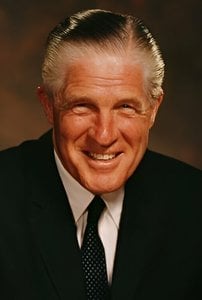
James Oliver autorstwa George Romney, ręcznie malowana reprodukcja olejowa wykonana przez mistrza
Podgląd w skali 1:1 Podgląd AR Przełącz na wydania drukowane Przejdź do wersji cyfrowej Wyślij jako kartkę
Szczegóły dzieła Przewodnik Dodaj do ulubionych Pobierz obraz Podobne obiekty RTG Pokaz slajdów Pytania i odpowiedzi Pobierz prezentację Statystyki

James Oliver Ręcznie malowana reprodukcja obrazu olejnego

Admire George Romney’s "James Oliver," a classical portrait of a dignified gentleman in 18th-century attire. Explore its rich details, atmospheric brushwork & historical significance.

George Romney (1734-1802) – brytyjski malarz portretowy, znany z eleganckich portretów arystokracji. Jego prace charakteryzują subtelny wdzięk i psychologiczna głębia. Odkryj jego świat!

Ręcznie malowana reprodukcja olejowa

Ręcznie malowany obraz olejny na płótnie, wykonany na zamówienie przez naszych artystów w wybranym przez Ciebie wymiarze i oprawie. ( Przełącz na wydania drukowane Przejdź do wersji cyfrowej)

Corner sample of the P118B picture frame: polistyren formowany, 5 cm wide and 3 cm thick
P118B zł10
Corner sample of the P118H picture frame: polistyren formowany, 5 cm wide and 3 cm thick
P118H zł10
Corner sample of the P118W picture frame: polistyren formowany, 5 cm wide and 3 cm thick
P118W zł10
Corner sample of the P438Z picture frame: polistyren formowany, 5.5 cm wide and 3.5 cm thick
P438Z zł10
Corner sample of the P508JH picture frame: polistyren formowany, 7 cm wide and 3.5 cm thick
P508JH zł12
Corner sample of the P508YH picture frame: polistyren formowany, 7 cm wide and 3.5 cm thick
P508YH zł12
Corner sample of the P805H picture frame: polistyren formowany, 5 cm wide and 3.5 cm thick
P805H zł10
Corner sample of the P805Z picture frame: polistyren formowany, 5 cm wide and 3.5 cm thick
P805Z zł10
Corner sample of the P919BZ picture frame: polistyren formowany, 7 cm wide and 3.5 cm thick
P919BZ zł10
Corner sample of the P919G picture frame: polistyren formowany, 7 cm wide and 3.5 cm thick
P919G zł10
Corner sample of the P919XJ picture frame: polistyren formowany, 7 cm wide and 3.5 cm thick
P919XJ zł10
Corner sample of the P959ZH picture frame: polistyren formowany, 5 cm wide and 3 cm thick
P959ZH zł10
Corner sample of the P968JZ picture frame: polistyren formowany, 6 cm wide and 4 cm thick
P968JZ zł12
Corner sample of the W106C picture frame: lite drewno, 5 cm wide and 3 cm thick
W106C zł8
Corner sample of the W218G picture frame: lite drewno, 5 cm wide and 3 cm thick
W218G zł10
Corner sample of the W218JH picture frame: lite drewno, 5 cm wide and 3 cm thick
W218JH zł8
Corner sample of the W218Y picture frame: lite drewno, 5 cm wide and 3 cm thick
W218Y zł10
Corner sample of the W307PJ picture frame: lite drewno, 6 cm wide and 3 cm thick
W307PJ zł10
Corner sample of the W316G picture frame: lite drewno, 6 cm wide and 3 cm thick
W316G zł10
Corner sample of the W316PJ picture frame: lite drewno, 6 cm wide and 3 cm thick
W316PJ zł8
Corner sample of the W316Y picture frame: lite drewno, 6 cm wide and 3 cm thick
W316Y zł10
Corner sample of the W398PJ picture frame: lite drewno, 5 cm wide and 3 cm thick
W398PJ zł8
Corner sample of the W4111J picture frame: lite drewno, 6.5 cm wide and 3.5 cm thick
W4111J zł10
Corner sample of the W500HY picture frame: lite drewno, 7 cm wide and 5 cm thick
W500HY zł15
Corner sample of the W500JH picture frame: lite drewno, 7 cm wide and 5 cm thick
W500JH zł15
Corner sample of the W692G picture frame: lite drewno, 8 cm wide and 4 cm thick
W692G zł12
Corner sample of the W849H picture frame: lite drewno, 5 cm wide and 3 cm thick
W849H zł8
Corner sample of the W940BG picture frame: lite drewno, 7.5 cm wide and 4.5 cm thick
W940BG zł15
Corner sample of the W953PJ picture frame: lite drewno, 6 cm wide and 3.5 cm thick
W953PJ zł8

Standardowy format
personalizowane
CM
INCH

Wybierz spośród naszych standardowych rozmiarów, które zachowują oryginalne proporcje dzieła sztuki.

szerokość
wysokość

Wpisz wymaganą szerokość i wysokość, aby obraz pasował do Twojej ramy lub ściany. Ponieważ jest to dzieło malowane ręcznie, w przypadku rozmiaru o innych proporcjach artysta może domalować nieco więcej wokół obrazu lub przyciąć jego fragmenty — wybór należy do Ciebie. Przed rozpoczęciem pracy prześlemy Ci cyfrową wizualizację do zatwierdzenia. Obraz widoczny na tej stronie nie przedstawia rzeczywistego efektu — jedynie wizualizacja oddaje realny rezultat.

Przykłady możliwych zmian: Zamień twarz na zdjęcie klienta; Dodaj zwierzę domowe (np. zamień kota na psa); Ukryj wiadomość w tle; Zmień krajobraz lub elementy tła.
Po złożeniu zamówienia zespół WahooArt.com skontaktuje się z klientem drogą mailową w celu uzyskania instrukcji i prześle wizualizację projektu

Dostawa na całym świecie () w ciągu 3–4 tygodni zamiast standardowych 5 tygodni. (10 Listopad). Bez kompromisów w kwestii jakości.

Bezpłatna ekspresowa wysyłka na cały świat
Wysokiej jakości płótno lniane
Pełne ubezpieczenie przesyłki
Gwarancja zwrotu należności celnych i podatków importowych
Gwarancja wiernego odwzorowania kolorów
100-dniowa polityka zwrotów (tylko w przypadku wad)
Gwarancja 100% zwrotu pieniędzy
Zniżka przy zakupie wielu sztuk

Suma całkowita

zł 1068

James Oliver

Technika reprodukcji

Wymiary reprodukcji

-

Cena całkowita

zł 1068

Najważniejsze informacje

  • Title: James Oliver
  • Notable elements or techniques: Layering oil paint, visible brushstrokes
  • Dimensions: 75 x 62 cm
  • Artistic style: 18th-century portrait painting

Quiz o sztuce

Do każdego pytania dotyczy tylko jedna poprawna odpowiedź.

Pytanie 1:
What is the medium used in the portrait of James Oliver?
Pytanie 2:
What color is the subject's military coat?
Pytanie 3:
According to the description, what color are the hues in the background?
Pytanie 4:
What type of hair does the subject have?
Pytanie 5:
What is the primary focus of the composition?

The Portrait of James Oliver by George Romney

The gaze of James Oliver meets the viewer through this oil on canvas, a work that captures a man of significant presence. George Romney renders the subject with a quiet authority, freezing a moment of dignified composure. The sitter appears poised, his expression carrying a weight of seriousness that suggests a life of consequence. Every brushstroke contributes to the sense of a man settled in his station, his features illuminated by a soft, diffused light that pulls him forward from the shadows.

In this portrait, Romney focuses intently on the character of the man. The dark blue of the military coat and the crispness of the white cravat provide a sharp contrast against the warm, atmospheric tones of the background. There is a palpable sense of the era through the textures of the clothing and the careful rendering of the powdered hair. This is a study of a person caught in a moment of stillness, where the subtle nuances of the face tell a story of pride and formality.

Currently held within a private collection, this painting remains a compelling example of Romney's ability to navigate the complexities of human psychology. He moves beyond mere likeness to find the essence of the individual. The work exists as a window into the social hierarchies of the late eighteenth century, presenting a figure of status through a lens of realism and careful observation.

Visual Composition and Subject Matter

A middle-aged gentleman occupies the center of the frame, his presence commanding the space with a quiet, heavy dignity. He gazes out with a serious expression, framed by the soft texture of white powdered hair that catches the light. His attire speaks of a life defined by authority; he wears a dark blue military coat accented by sharp red trim, layered over a crisp white cravat and a structured waistcoat. Every detail of his clothing suggests a man of significant social or military standing, held within a moment of stillness.

The composition focuses intently on the subject's face, pulling the viewer into his steady gaze. Behind him, the background recedes into a haze of loose, expressive brushstrokes, where warm orange and earthy brown hues mingle to create a sense of atmospheric depth. This shallow perspective keeps the focus firmly on the man, pushing the environment into a soft, indistinct distance. The lighting remains gentle and diffused, washing over his features to illuminate the contours of his face while leaving the periphery in a soft, muted shadow.

Technical Details and Artistic Style

The artist builds the form of the subject through a deliberate layering of oil paint, a process that gives the figure a tangible presence. This method allows for a subtle transition of light across the face, creating a sense of three-dimensional weight. The surface of the canvas carries a slightly rough texture where the brushstrokes remain visible, lending a tactile quality to the work. These marks are not hidden but are instead left to express the movement of the hand, contributing to the overall character of the portrait.

A refined technique defines the execution, utilizing soft brushstrokes that avoid heavy-handedness. This approach creates a gentle realism, particularly in the rendering of skin and the delicate folds of the cravat. The palette relies heavily on muted colors, favoring a sophisticated restraint over loud or jarring tones. Such a choice allows the composition to maintain a sense of calm and composure, focusing the viewer's attention on the sitter's dignified expression. The style remains deeply reminiscent of 18th-century portrait painting, where the emphasis lies on capturing the essence of the individual through careful observation and light.

Dimensions and Physical Measurements

The physical presence of this portrait occupies a space that feels both intimate and commanding. Measuring 75 x 62 cm, the canvas presents a vertical orientation that draws the eye upward through the subject's dignified posture. This scale allows the viewer to encounter the gentleman's gaze and the fine textures of his military attire with a sense of immediate proximity.

When viewed through different lenses of measurement, the work maintains its substantial character. It spans 24 ¼ x 29 ½ ins, a size that captures the essence of eighteenth-century portraiture. In other notations, the dimensions appear as 29.5 x 24.4 in or 29 1/2 by 24 1/2 in, ensuring the proportions of the sitter remain consistent across various records. The surface of the oil on canvas carries the weight of these measurements, providing enough room for the loose, expressive brushwork that defines the background.

Other Works by George Romney

The artist's hand moves through a diverse range of subjects, capturing the essence of the Georgian era with a particular sensitivity to character. In his earlier years, he finds his footing through portraits that define the social landscape, such as the 1775 depiction of Midshipman George Cumberland held at the Tate Gallery in London. He also turns his gaze toward the elegance of the period in his portraits of a lady and a girl, works that emphasize the soft textures and quiet composure he mastered during his rise in the capital.

His creative spirit often wanders into the realm of the imaginative, fueled by his intense connection to his muse, Emma Hamilton. He explores the boundaries of portraiture by transforming her into legendary figures, such as in the depiction of Lady Hamilton as Circe. These works move beyond simple likeness, leaning into a more poetic and dramatic territory that defines much of his later output. Even his more formal commissions, like the 1782 portrait of Sir Chaloner Ogle, 1st Baronet, or his study of Thomas Greene, reveal the same ability to balance meticulous detail with a sense of living presence.

Pytania i odpowiedzi

Jak zbudowana jest kompozycja kolorystyczna „James Oliver” – George Romney?

Kompozycja kolorystyczna „James Oliver” – George Romney łączy w sobie Balanced kontrast z Strong Color Unity harmonią.

Jaki nastrój wprowadzi James Oliver do wnętrza?

„James Oliver” – George Romney ma Classic atmosferę i jest polecane do Office. Nastrój to to, co dzieło wnosi do otaczającej je przestrzeni.

Jak duży jest kontrast w „James Oliver” – George Romney?

Poziom kontrastu dzieła „James Oliver” – George Romney wynosi Balanced.


Biografia artysty

A Life in Portraiture: The World of George Romney

Born in the picturesque landscape of Dalton-in-Furness, Lancashire, on December 15th, 1734, George Romney ascended to become one of the most sought-after portrait painters of his era. His journey from a cabinet maker’s son to the favored artist of British high society is a compelling narrative of innate talent and unwavering ambition. Early life offered little indication of the artistic path he would forge; initially apprenticed to his father, it was an inherent inclination towards drawing and craftsmanship that led him to Christopher Steele, a local portraitist who had studied in Paris. This apprenticeship proved pivotal, providing Romney with foundational skills and an introduction to European artistic traditions. He quickly surpassed his master, however, demonstrating a precocious talent demanding further cultivation. A brief, unhappy marriage and subsequent separation propelled him towards London in 1762, a city brimming with opportunity but also fierce competition.

Establishing a Reputation: Style and Technique

London proved to be a crucible for Romney’s artistic development. He swiftly established himself as a formidable portraitist, challenging the dominance of artists like Thomas Gainsborough and Sir Joshua Reynolds. While he never sought membership in the Royal Academy – a decision that perhaps limited his access to certain patronage – his success was undeniable. Romney's style evolved over time, initially reflecting the influence of Steele and his Parisian training, but soon blossomed into something distinctly his own. He possessed an exceptional ability to capture not merely the likeness, but also the personality and social standing of his sitters. His portraits are characterized by elegant poses, a refined use of light and shadow, and a subtle psychological insight that set him apart. Romney’s technique was marked by a delicate touch and a preference for flowing lines, often drawing inspiration from classical sculpture. He skillfully employed color to convey texture and depth, creating portraits that were both visually striking and emotionally resonant. His ability to flatter his subjects while maintaining artistic integrity earned him the loyalty of an elite clientele. He understood the power of suggestion, hinting at character rather than explicitly defining it, a quality that appealed to those who valued discretion and refinement. Romney’s compositions often avoided overly dramatic settings, favoring intimate interiors or carefully arranged outdoor scenes – a deliberate choice designed to focus attention on his subjects' expressions and demeanor.

The Muse and Her Influence: Emma Hamilton

Romney’s life took a dramatic turn with his encounter with Emma Hart, later known as Lady Hamilton, in 1782. She became not only his most celebrated model but also his muse, profoundly influencing his artistic output. Emma's beauty, intelligence, and theatrical flair captivated Romney, inspiring a series of portraits that explored themes of classical mythology, dramatic narrative, and feminine grace. He depicted her in various roles – as a bacchante, as the tragic Miranda from Shakespeare’s *The Tempest*, and in numerous allegorical scenes that showcased her expressive range. These works demonstrate Romney's willingness to experiment with composition and symbolism, moving beyond conventional portraiture into more imaginative territory. The Tempest series, in particular, reveals a Romantic sensibility at play, anticipating the emotional intensity of later artists. The relationship was intense and all-consuming for Romney, though ultimately unfulfilled romantically; Emma eventually became the mistress of Lord Nelson, a union that cemented her place in history. Nevertheless, their artistic collaboration left an indelible mark on both their lives and produced some of Romney’s most enduring masterpieces. He painted over 80 portraits of her, each revealing a different facet of her captivating personality. The influence of Emma is evident not only in the subject matter but also in the way Romney handled light and shadow, creating a sense of drama and intimacy within his paintings.

Key Works and Artistic Development

Romney’s artistic journey can be traced through several key works that reveal his evolving style and interests. His early portraits, such as *The Death of General Wolfe*, demonstrated a technical proficiency honed during his apprenticeship but lacked the psychological depth of later pieces. However, after moving to London and encountering Emma Hamilton, Romney's work underwent a significant transformation. Paintings like *Mrs. Carwardine and Son* (1775) and *Sir Christopher and Lady Sykes* (1786) showcased a greater understanding of human emotion and a more refined use of color and composition. The series of portraits depicting Emma Hamilton, particularly those exploring her mythological associations, represent the pinnacle of his artistic achievement. These works are characterized by their elegance, grace, and psychological insight – qualities that cemented Romney’s reputation as one of the leading portrait painters of his time. His later work continued to explore themes of beauty, mythology, and social status, reflecting a growing interest in Romanticism and its emphasis on emotion and imagination.

Legacy and Historical Significance

George Romney's impact on British portraiture is undeniable. He helped shape the aesthetic sensibilities of the late 18th century, contributing to a style that emphasized elegance, psychological depth, and artistic flair. His portraits offer invaluable insights into the lives and tastes of the British elite during his time, providing a visual record of their social customs, fashion, and intellectual pursuits. While he faced periods of self-doubt and struggled with mental health issues in later life – leading to a decline in productivity before his death in Kendal in 1802 – his legacy endures through the hundreds of paintings and drawings that remain as testaments to his skill. Romney’s portraits are not merely representations of individuals; they are windows into a vanished world. His work continues to be admired for its technical brilliance and emotional resonance, securing his place as a significant figure in the history of art.
George Romney

George Romney

1734 - 1802 , Wielka Brytania

Krótka nota

  • Artistic Movement Or Style: Portretystyka, Romantyzm
  • Artists Or Movements Influenced By This Artist: ['Brytyjscy portrecisci']
  • Artists Who Influenced This Artist:
    • Christopher Steele
    • Carle Vanloo
    • Raphael
  • Date Of Birth: 15 grud 1734
  • Date Of Death: 15 list 1802
  • Full Name: George Romney
  • Nationality: Brytyjski
  • Notable Artworks:
    • Śmierć generała Wolfe
    • Panie Carwardine
    • Sir Christopher
  • Place Of Birth: Dalton-in-Furness, UK
Odkryj dzieła sztuki uporządkowane według tematów, stylów i cech charakterystycznych.