


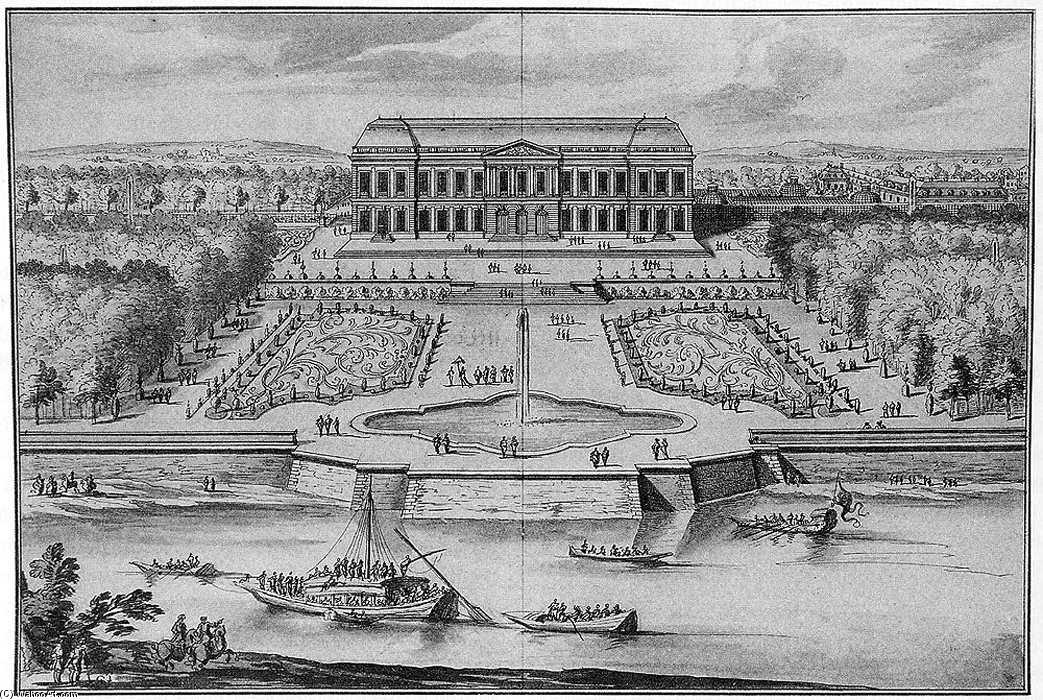
Kup wysokiej rozdzielczości, ulepszony obraz cyfrowy o znacznie wyższej jakości niż podgląd online.
Każdy plik jest starannie przygotowywany przez naszych specjalistów przy użyciu zaawansowanych narzędzi oraz profesjonalnej, ręcznej retuszy. Dbamy o to, aby każdy obraz cechował się wyjątkową ostrością, precyzyjnym odwzorowaniem kolorów i subtelnymi detalami.
Ostateczny plik dostarczany jest drogą mailową w ciągu 72 godzin, zoptymalizowany do natychmiastowego wykorzystania w profesjonalnych zastosowaniach redakcyjnych i poligraficznych. To ta sama jakość, której ufają czołowe studia projektowe, wydawnictwa oraz galerie sztuki.
Pobierz plik o wysokiej rozdzielczości do osobistego wyświetlania, druku oraz projektów kreatywnych. ( Zamów wydruk Zamów ręcznie malowaną reprodukcję)
Wybierając WahooArt.com, nie otrzymujesz jedynie obrazu – otrzymujesz profesjonalnie udoskonalone cyfrowe dzieło sztuki, stworzone z najwyższą precyzją i objęte gwarancją satysfakcji. Oto wszystko, co automatycznie dołączane jest do Twojego zamówienia:

Plik z obrazem cyfrowym w wysokiej rozdzielczości zostanie przesłany na Twój adres e-mail w ciągu 72 godzin od złożenia zamówienia – gotowy do natychmiastowego użycia.

Twoja grafika została profesjonalnie zoptymalizowana przy użyciu zaawansowanych narzędzi AI oraz ręcznej edycji, co zapewnia maksymalną szczegółowość, klarowność i wierność kolorów.

Przypadkowo usunąłeś lub zgubiłeś swój plik? Bez obaw – prześlemy go Tobie ponownie w dowolnym momencie, bez żadnych opłat.

Ciesz się swoją sztuką natychmiast, bez żadnych opłat celnych, należności ani kosztów dostawy – pliki cyfrowe są zawsze wolne od podatku.

Dzięki zastosowaniu profesjonalnych narzędzi i procesów zarządzania barwą zapewniamy, że Twoje cyfrowe zdjęcie odzwierciedla oryginalne kolory tak wiernie, jak to tylko możliwe.

Jeśli nie będziesz zadowolony ze swojego cyfrowego obrazu, dokonamy jego poprawki lub zwrócimy 100% kosztów w ciągu 100 dni – bez żadnych pytań.

Nie jesteś zadowolony? Otrzymaj pełny zwrot kosztów w ciągu 100 dni od otrzymania pliku cyfrowego – bez zbędnych pytań.

Kup 3 obrazy, oszczędź 10% - Kup 5, oszczędź 15% - Kup 10+, oszczędź 20%. Idealne do projektów kreatywnych, galerii i agencji.

Gabriel Pérelle (1604-1677), a name perhaps less familiar than some of his contemporaries, stands as a significant figure within 17th-century French art. Born in Vernon-sur-Seine, France, Pérelle’s career spanned over seven decades, witnessing and profoundly shaping the evolution of printmaking during a period of immense artistic transformation. His legacy rests primarily on his masterful depictions of landscapes, architectural studies, and evocative biblical scenes – works characterized by a dramatic use of light, shadow, and meticulous detail that firmly established him as a leading artist of the French Baroque.
Pérelle’s early training was rooted in the traditions of Flemish landscape painting. Initially influenced by artists like Paul Bril and Roelandt Savery, his early prints demonstrate a dry, somewhat restrained style. However, a pivotal shift occurred around 1645, marked by a growing interest in the works of Gaspard Dughet – particularly Dughet’s dramatic contrasts of light and shade. This influence dramatically altered Pérelle's approach, leading to a more dynamic and theatrical rendering of nature. He began incorporating elements like cascading waterfalls, imposing buildings, and turbulent skies into his compositions, creating scenes brimming with movement and atmosphere.
His workshop, established in Paris, became a hub for artistic production, and he collaborated extensively with his sons, Adrien and Adam Pérelle, as well as other engravers. A significant portion of his output involved reproducing engravings based on the drawings of other artists – Jacques Fouquier, Pierre Patel, and Laurent de La Hyre – alongside his own original designs. This collaborative spirit is particularly evident in projects like “Les Vues et monuments de Paris,” a comprehensive collection documenting the architectural wonders of the capital city. These prints weren’t merely faithful reproductions; Pérelle skillfully adapted and enhanced the source material, imbuing them with his distinctive artistic sensibility.
Pérelle's most celebrated work lies within his landscapes. He eschewed the purely decorative tendencies of some of his peers, instead striving for a more profound engagement with the natural world. His compositions are often imbued with a sense of drama and mystery, achieved through a sophisticated manipulation of light and shadow. The “Mediterranean Landscapes with Fishermen and Shepherds” (1658) exemplifies this approach perfectly. The monochromatic engraving captures the rugged beauty of the French countryside, utilizing subtle tonal variations to create depth and volume. The figures are rendered with remarkable realism, yet they exist within a vast, almost overwhelming landscape – a testament to Pérelle’s ability to convey both serenity and power.
His architectural drawings, such as “Porte Saint-Denis” (1675), further demonstrate his technical prowess. The intricate detail of the triumphal arch is rendered with astonishing precision using pen and ink, showcasing a deep understanding of classical design principles. The stark contrast between light and dark emphasizes the monumental scale of the structure and highlights the architectural details with remarkable clarity. These drawings weren’t simply illustrations; they were carefully considered studies in form and perspective.
While landscapes dominated his output, Pérelle also produced a series of biblical scenes and portraits that reveal his versatility as an artist. These works often display a similar sensitivity to light and shadow, reflecting the influence of Baroque painting. The dramatic lighting and emotive expressions in these compositions contribute to their powerful impact. Although less frequently exhibited than his landscapes, these pieces offer valuable insights into Pérelle’s artistic range and his ability to capture human emotion.
Gabriel Pérelle's contribution to French art is often understated, overshadowed by the more flamboyant figures of the Baroque era. However, his meticulous technique, dramatic use of light and shadow, and profound understanding of landscape – combined with his skillful engagement with classical design principles – cemented his place as a significant artist of his time. His work served as an important influence on subsequent generations of printmakers, particularly those who sought to capture the beauty and drama of the natural world. The meticulous detail in works like “Porte Saint-Denis” continues to be studied by artists and art historians alike, demonstrating Pérelle’s enduring legacy as a master of light, shadow, and composition.
Further exploration of his work can be found through resources such as the Web Gallery of Art biography and detailed information on specific artworks available at WahooArt.

1604 - 1677 , France

 Podgląd w skali
 Wyślij jako kartkę
 Udostępnij
 Szczegóły dzieła

 Pobierz
 Podobne obiekty
 RTG
RTG Pokaz slajdów
 Rozwiń treść


