x
Podgląd w skaliPodgląd w skali Podgląd ARPodgląd AR Zamów ręcznie malowaną reprodukcję Zamów ręcznie malowaną reprodukcjęKup obraz wysokiej rozdzielczości Kup obraz wysokiej rozdzielczości Wyślij jako kartkęWyślij jako kartkę
Szczegóły dziełaSzczegóły dzieła Dodaj do ulubionych Dodaj do ulubionych PobierzPobierz Podobne obiektyPodobne obiekty RTGRTG Pokaz slajdówPokaz slajdów

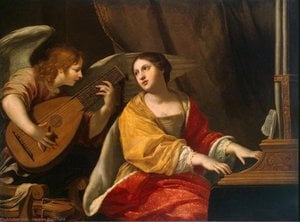
A Musical Party

A Musical Party by Gabriel Metsu (1659). A vibrant 17th-century Dutch portrait depicting a lively gathering. Hand-painted reproduction of this captivating artwork.

Gabriel Metsu (1629-1667) był holenderskim malarzem barokowym znanym z obrazów gatunkowych i portretów, zainspirowanych twórczością Rembrandtka i Vermeer'a. Jego dzieła uchwyciły codzienną rzeczywistość z niezwykłą szczegółowością i wykorzystywały symbole.

Giclée / Wydruk artystyczny

Druk giclée lub płótno o jakości muzealnej, szybka realizacja i szeroki wybór opcji wykończenia. (Zamów ręcznie malowaną reprodukcję Zamów ręcznie malowaną reprodukcjęKup obraz wysokiej rozdzielczości Kup obraz wysokiej rozdzielczości)

P118B $10
P118H $10
P118W $10
P438Z $10
P508JH $12
P508YH $12
P805H $10
P805Z $10
P919BZ $10
P919G $10
P919XJ $10
P959ZH $10
P968JZ $12
W106C $8
W218G $10
W218JH $8
W218Y $10
W307PJ $10
W316G $10
W316PJ $8
W316Y $10
W398PJ $8
W4111J $10
W500HY $15
W500JH $15
W692G $12
W849H $8
W940BG $15
W953PJ $8

Standardowy rozmiar
na wymiar
CM
INCH

Wybierz spośród naszych standardowych rozmiarów, które zachowują oryginalne proporcje dzieła sztuki.

szerokość
wysokość

Możesz wprowadzić własne wymiary, aby dopasować dzieło do konkretnej ramy lub przestrzeni. Jeśli wybrany rozmiar nie będzie odpowiadał proporcjom oryginalnego obrazu, przytniecie dzieło lub rozszerzymy obraz za pomocą odbicia lustrzanego lub jednolitego wypełnienia krawędzi. Przed rozpoczęciem produkcji prześlemy cyfrową wizualizację do Twojej akceptacji.
Prosimy pamiętać, że podgląd na ekranie nie odzwierciedla faktycznego przycinania ani rozszerzania. Tylko wizualizacja dokładnie pokaże końcową kompozycję.
Mimo dostępności niestandardowych rozmiarów, zalecamy wybór wymiaru z listy zdefiniowanej, aby zachować oryginalne proporcje.

Dostawa na cały świat () w ciągu 2 tygodni zamiast standardowych 4/5 tygodni. (4 Wrzesień)

why_choose_icon
Bezpłatna ekspresowa wysyłka na cały świat
why_choose_icon
Wysokiej jakości płótno lniane
why_choose_icon
Pełne ubezpieczenie przesyłki
why_choose_icon
Gwarancja zwrotu należności celnych i podatków importowych
why_choose_icon
Gwarancja wiernego odwzorowania kolorów
why_choose_icon
Polityka 60-dniowego zwrotu (tylko w przypadku wad)
why_choose_icon
Gwarancja 100% zwrotu kosztów
why_choose_icon
Zniżka przy zamówieniu wielu produktów

Suma całkowita

$ 68

reproduction

A Musical Party

Giclée / Wydruk artystyczny

Wymiary reprodukcji

-

Cena całkowita

$ 68

Szybki podgląd

  • Subject or theme: Dutch daily life
  • Medium: Oil on canvas
  • Influences:
    • Mieris
    • Rembrandt
  • Title: A Musical Party
  • Location: Metropolitan Museum
  • Year: 1659
  • Artistic style: Baroque

Quiz o sztuce

Do każdego pytania dotyczy tylko jedna poprawna odpowiedź.

Pytanie 1:
What is the primary subject depicted in Gabriel Metsu’s ‘A Musical Party’?
Pytanie 2:
In ‘A Musical Party’, what is the significance of the violin being played?
Pytanie 3:
The painting ‘A Musical Party’ was created in which century?
Pytanie 4:
Gabriel Metsu is known for his style, which best describes it?
Pytanie 5:
What does the presence of multiple chairs in ‘A Musical Party’ suggest about the scene?

Gabriel Metsu’s “A Musical Party”: A Dutch Golden Age Snapshot

Gabriel Metsu's "A Musical Party," painted in 1659, isn’t merely a depiction of a social gathering; it’s a meticulously crafted window into the vibrant and complex world of 17th-century Holland. This captivating Baroque scene, now housed within the Metropolitan Museum of Art, offers a rare glimpse into the leisure activities and social dynamics of the Dutch Golden Age – a period renowned for its artistic flourishing and burgeoning mercantile power. Metsu’s genius lies not in grand historical narratives or dramatic portraits, but rather in his ability to capture fleeting moments of everyday life with remarkable detail and psychological insight.

The painting immediately draws the eye with its rich color palette—deep reds, blues, and golds dominate, creating a sense of warmth and opulence. Metsu’s masterful use of light is particularly noteworthy; it illuminates key figures within the room while subtly receding into the shadows, drawing the viewer's attention to the central interactions. The composition itself is dynamic, with figures clustered around tables, chairs, and a musical instrument – a violin being played by one of the participants. This arrangement suggests an atmosphere of lively conversation and shared enjoyment, a carefully orchestrated tableau of social interaction.

A Study in Dutch Social Customs

“A Musical Party” is more than just a pretty picture; it’s a detailed study of Dutch customs and etiquette. The figures are dressed in a variety of styles, hinting at different social strata and occasions. Note the elaborate attire of the woman playing the violin – her gown is richly embroidered, suggesting wealth and status. The presence of a dining table with a bowl on it indicates a meal or refreshment being served, while the scattered musical scores suggest that music was an integral part of their entertainment. The inclusion of a foot warmer—a common luxury item at the time—symbolizes indulgence and comfort, reflecting the prosperity enjoyed by many in Dutch society.

The painting’s symbolism is layered and intriguing. The violin itself represents harmony and pleasure, while the gathering as a whole embodies the spirit of conviviality and social connection. Metsu subtly incorporates emblems – visual symbols with specific meanings – into the scene, adding another layer of interpretation. For example, the placement of objects like the foot warmer can be read as alluding to themes of temptation and desire, reflecting the complexities of human relationships.

The Artist’s Unique Style & Context

Gabriel Metsu remains a somewhat enigmatic figure in art history. Unlike many of his contemporaries who specialized in particular genres, Metsu's oeuvre spanned a wide range of subjects – history paintings, still lifes, portraits, and genre scenes—and he never adhered to a consistent style. This “eclectic” approach is evident in "A Musical Party," which blends elements of portraiture, genre painting, and even a touch of theatricality. His work reflects the spirit of the Dutch Golden Age, characterized by innovation, experimentation, and a fascination with everyday life.

Born in Leiden in 1629, Metsu’s early training likely involved exposure to diverse artistic techniques, perhaps influenced by his family's background as tapestry workers and painters. He spent much of his career in Amsterdam, where he developed his distinctive style—characterized by meticulous detail, subtle lighting effects, and a keen eye for capturing human psychology. His relatively short life – he died at the age of 38 – adds to the mystery surrounding this talented artist.

Bringing “A Musical Party” Home

WahooArt offers high-quality hand-painted reproductions of Gabriel Metsu’s "A Musical Party," allowing you to bring this captivating masterpiece into your home or office. Our skilled artists meticulously recreate Metsu's intricate details and vibrant colors, ensuring that your reproduction captures the essence of the original painting. Whether you are an art enthusiast, a collector, or simply seeking a stunning piece of décor, our reproductions provide a beautiful and authentic representation of this iconic work of Dutch Golden Age art.


O artyście

Gabriel Metsu – A Life of Artistic Exploration

Gabriel Metsu (1629–1667) stands as a singular figure within the Dutch Golden Age, celebrated for his masterful depictions of domestic interiors and genre scenes imbued with subtle symbolism. Unlike many of his contemporaries who adhered to established artistic conventions, Metsu pursued an eclectic path, blending influences from Rembrandt van Rijn and Johannes Vermeer into a distinctive visual language that continues to fascinate scholars and collectors alike. This biography delves into the life and oeuvre of this enigmatic artist, illuminating the formative years, groundbreaking techniques, and enduring legacy that cemented his place in art history.

Early Life and Influences

Born in Leiden around 1629, Gabriel Metsu’s artistic journey began within a family steeped in artistic tradition. His father, Jacques Metsu, was a tapestry worker and painter originally hailing from Hainault—a heritage that instilled in Gabriel an appreciation for diverse visual mediums beyond mere portraiture. The Metsu household moved to Leiden shortly after his birth, exposing him to the vibrant cultural landscape of the burgeoning Republic. Crucially, Jacques’s artistic training under Gerard Dou profoundly shaped Metsu's early sensibilities, fostering a meticulous attention to detail and mastering the art of capturing natural light—skills that would become hallmarks of his mature style. The influence of Rembrandt van Rijn is palpable in Metsu’s formative works, particularly his use of chiaroscuro – dramatic contrasts between light and dark – mirroring Rembrandt’s groundbreaking approach to illumination.

Artistic Career: Embracing Eclecticism

Metsu's artistic career defied categorization, earning him the moniker “a highly eclectic artist.” He skillfully navigated various genres—history paintings, still lifes, portraits, and genre scenes—demonstrating an unparalleled versatility that distinguishes him from many of his peers. Remarkably, only fourteen of Metsu’s approximately 133 extant paintings bear dates, leaving considerable room for speculation regarding the chronology of his creative process and highlighting the challenges inherent in reconstructing his artistic development. This deliberate avoidance of stylistic uniformity underscores Metsu's conviction that artistic expression should transcend rigid boundaries, prioritizing emotional resonance and visual impact above adherence to prevailing trends. His decision to establish a studio in Amsterdam around 1655 marked a pivotal moment, propelling him into contact with the epicenter of Dutch artistic innovation and fostering collaborations with fellow masters like Johannes Vermeer and Pieter de Hooch—artists who similarly championed the depiction of everyday life with remarkable realism and psychological depth.

Notable Works and Legacy

Metsu’s paintings frequently centered on scenes of domestic tranquility – young women engaged in quiet pursuits, market interiors brimming with activity, and elderly figures reflecting upon life's passage. These subjects resonated deeply with the sensibilities of his time, mirroring the humanist ideals that underpinned the Dutch Golden Age. Among Metsu’s most celebrated achievements is *The Poultry Seller*, a masterpiece that exemplifies his masterful use of symbolism—a technique honed by Dou and Vermeer—to convey complex narratives within seemingly simple compositions. The painting's meticulous depiction of light and texture further underscores Metsu’s dedication to capturing the nuances of visual perception, solidifying his reputation as one of the era’s foremost innovators. Furthermore, *Portrait of the Hinlopen Family* exemplifies Metsu’s ability to blend genre conventions with portraiture, creating images that transcend mere likeness—capturing not only physical appearance but also psychological character and familial bonds. His influence extended beyond his immediate contemporaries, shaping the artistic sensibilities of subsequent generations and ensuring that Metsu's distinctive visual language continues to inspire artists today.

Museum Collections and Recognition

Gabriel Metsu’s enduring legacy is reflected in the prominent presence of his artworks within major museums across Europe—most notably the Rijksmuseum in Amsterdam, where visitors can immerse themselves in the splendor of Dutch Baroque art. Ongoing research into Metsu's life and oeuvre continues to unveil new insights into his artistic process and contextualize his achievements within the broader framework of seventeenth-century European culture. His contribution to the visual arts remains unparalleled—a testament to Gabriel Metsu’s unwavering commitment to artistic exploration and innovation.
Gabriel Metsu

Gabriel Metsu

1629 - 1667 , Holandia

Krótka nota

  • Artistic Movement Or Style: Dutch Golden Age painting
  • Artists Or Movements Influenced By This Artist: ['Michiel van Musscher']
  • Artists Who Influenced This Artist:
    • Rembrandt van Rijn
    • Johannes Vermeer
  • Date Of Birth: 1629
  • Date Of Death: 1667
  • Full Name: Gabriel Metsu
  • Nationality: Dutch
  • Notable Artworks:
    • The Sick Child
    • Poultry Seller
    • Portrait of the Hinlopen Family
  • Place Of Birth: Leiden, Netherlands
Odkryj dzieła sztuki uporządkowane według tematów, stylów i cech charakterystycznych.