Wydruki giclée lub płótna o jakości muzealnej, szybka realizacja i szeroki wybór opcji wykończenia. ( Zamów ręcznie malowaną reprodukcję Przejdź do wersji cyfrowej)





























Wybierz spośród naszych standardowych rozmiarów, które zachowują oryginalne proporcje dzieła sztuki.

Wpisz wymaganą szerokość i wysokość, aby dopasować grafikę do ramy lub ściany. Wydruk można jedynie przyciąć, nigdy nie powiększając go poza oryginalny obraz, dlatego format o innych proporcjach spowoduje utratę części kompozycji. Przed rozpoczęciem druku prześlemy Ci cyfrowy podgląd do zatwierdzenia. Obraz wyświetlany na tej stronie nie pokazuje rzeczywistego przycięcia — jedynie podgląd oddaje ten efekt.
Dostawa na cały świat () w ciągu 2 tygodni zamiast standardowych 4/5 tygodni. (21 Listopad)
Fruits and flowers
Wymiary reprodukcji
In "Fruits and flowers" by Thomas Simon, an asymmetrical arrangement of botanical elements and fruit unfolds across the canvas. To the left, a vertical bouquet reaches upward, featuring a large pink rose and a red poppy-like bloom. White blossoms and blue cornflowers nestle among the petals, while small red berries are interspersed throughout the floral cluster. This arrangement creates a sense of organic movement against the dark, indistinct background. The scene feels caught in a single, quiet moment of abundance.
To the right, a cluster of translucent green grapes hangs near the center. A whole pomegranate and a partially peeled citrus fruit dominate the midground, their textures catching the light. On the left, an oyster shell rests upon a stone ledge, providing a hard, tactile contrast to the soft petals nearby. A deep blue draped cloth anchors the right side of the composition, providing a heavy, solid base for the scattered citrus segments, cherries, and small red berries that rest upon its folds.
A dramatic tenebristic style defines this work, pulling the viewer into a space where deep shadows collide with sudden, bright highlights. Directional light pours in from the upper left, carving the forms out of the darkness. This light creates strong chiaroscuro effects that dictate the entire mood of the scene. Every shadow feels heavy, yet the light finds its way into the smallest crevices, defining the very essence of the objects present.
Fine brushwork breathes life into the textures, turning paint into something tactile and real. One can almost feel the velvety softness of the flower petals or the moist, cool surface of the fruit. The artist uses precise strokes to capture the translucency of grape skins, allowing light to seem as if it is passing through them. Even the pith of the citrus fruit is rendered with such detail that its porous nature becomes visible to the eye. This meticulous attention to detail builds a sense of depth and a realism typical of the Baroque period.
Dzieło „Fruits and flowers” – Joris Van Son jest rekomendowane do Restaurant. Sugestia ta opiera się na tematyce, kolorystyce oraz nastroju pracy.
Dzieło „Fruits and flowers” – Joris Van Son jest polecane do Focal, najlepiej w Restaurant. Zastosowanie oraz przestrzeń pomagają zdecydować, gdzie najlepiej umieścić reprodukcję.
Joris Van Son stworzył "Fruits and flowers", reprezentujące nurt Baroque.

Urodzony w Antwerpii w Belgii, Joris Van Son był flamandzkim mistrzem martwej natury, który w roku cechowym 1643/1644 uzyskał status mistrza w Antwerpskim Bractwie św. Łukasza. Jego dorobek artystyczny charakteryzował się niezwykłą różnorodnością, obejmując liczne podgatunki martwej natury, od bujnych kompozycji owocowych i kwiatowych, przez wystawne martwe natury bankietowe i tematykę vanitas, aż po misterne girlandy oraz przepych typu pronkstillevens. Artysta zasłynął również malowaniem martwych natur z rybami, które stanowiły alegoryczną reprezentację Czterech Żywiołów. Jego dzieła cieszyły się ogromnym uznaniem wśród kolekcjonerów, trafiając do zbiorów tak znamienitych kupców jak Geraert van Dorth, jak i wybitnych artystów, w tym Victora Wolfvoeta.
Niezwykły kunszt techniczny Van Son objawiał się w zdumiewającej zdolności do oddawania fizycznych tekstur owoców, czego doskonałym przykładem jest subtelne przedstawienie aksamitnej, owłosionej skórki brzoskwiń. W swoich unikalnych girlandach kwiatowych często podejmował współpracę z malarzami postaci, takimi jak Erasmus Quellinus II, Pieter Boel czy Frans Wouters, tworząc harmonijne kompozycje, w których misterne sploty owoców lub kwiatów stanowiły dekoracyjną ramę dla scen religijnych bądź świeckich. W późniejszym okresie twórczości, pod koniec lat 50. XVII wieku, jego styl ewoluował w stronę bardziej skromnych martwych natur, cechujących się powściągliwą kompozycją i stonowaną kolorystyką, czego wyrazem są jego późne studia koszy owoców, homarów oraz ostryg.
Życie prywatne artysty nierozerwalnie wiązało się z duchowością, czego dowodem było przystąpienie w 1647 roku do pobożnego stowarzyszenia kawalerów, Sodaliteit van de Bejaerde Jongmans. Joris Van Son był żonaty z Cornelią van Heulens, z którą doczekał się córki, Marii Chatharinay, oraz syna, Jana Fransa. Choć Joris Van Son odszedł w Antwerpii w 1667 roku, jego syn Jan Frans podążył ścieżką ojca, stając się cenionym malarzem martwej natury, który tworzył w Anglii. Pracownia Van Sonu stała się ważnym ośrodkiem edukacyjnym, kształcącym wielu utalentowanych uczniów, w tym:

1623 - 1667 , Belgia

Discover the art of curation with expert insights on selecting soulful, museum-quality artworks for introspective spaces. From Impressionist landscapes to bespoke oil portraits, learn to transform your interiors into sanctuaries of reflection and timeless elegance.
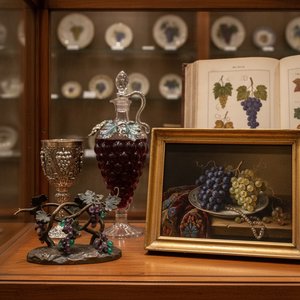
Embark on a visual journey through the world's most exquisite grape-themed masterpieces. Discover the technical brilliance of Baroque masters and learn how to curate timeless, hand-painted oil reproductions for your luxury collection with WahooArt.com.

Explore the profound connection between technique and emotion. From the sculptural depth of impasto to classical mastery, decode the language of brushstrokes through an expert lens of art history and fine art connoisseurship.
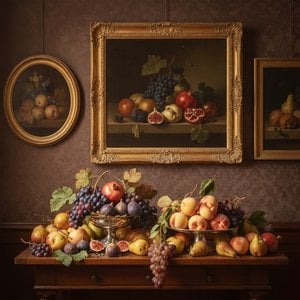
Discover the profound beauty of fruit still life paintings. Explore the rich symbolism, Baroque mastery, and timeless allure of nature's bounty through an art-historical lens, perfect for collectors and enthusiasts of classical fine art.

Explore the technical mastery of floral still life from Dutch masters to Impressionism. Discover the art of botanical precision today.
 Podgląd w skali 1:1

 Wyślij jako kartkę
 Udostępnij
 Szczegóły dzieła
 Przewodnik


 Pobierz obraz
 Podobne obiekty
 RTG
 Pokaz slajdów
 Pytania i odpowiedzi

 Statystyki


 Rozwiń treść









 Opcja ze szkłem jest dostępna wyłącznie w rozmiarach poniżej 110 cm