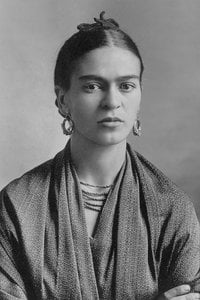
Biografia artysty
Życie Wykuwane z Bólu i Pasji
Magdalena Carmen Frida Kahlo y Calderón, znana światu jako Frida Kahlo, była czymś więcej niż artystką; była siłą natury, buntowniczą duszą, której życie spleciono nierozerwalnie z jej sztuką. Urodzona 6 lipca 1907 roku w Coyoacán, pod Mexico City, jej egzystencja naznaczona była fizycznymi cierpieniami i emocjonalnymi wzburzeniami – doświadczeniami, które ostatecznie rozpaliły intensywnie osobiste i symboliczne obrazy, dla których jest dziś sławna. Jej ojciec, Guillermo Kahlo, niemiecko-meksykański fotograf, od najmłodszych lat pielęgnował jej ciekawość intelektualną i skłonności artystyczne. Jednak dzieciństwo Fridy było naznaczone chorobą; sześcioletnia dziewczynka zachorowała na polio, co pozostawiło ją z trwałym kulawym krokiem i wpłynęło na jej rozwój fizyczny. To wczesne zetknięcie się ze słabością i ograniczeniami stało się motywem powracającym w jej twórczości, kształtując jej perspektywę na ciało, ból i odporność. Nawet zanim tragiczny wypadek zdefiniował dużą część jej artystycznej drogi, Frida posiadała ostrość świadomości własności cielesnej i jej wewnętrznej kruchości.
Rozbity Ciało, Rozkwitająca Sztuka
W 1925 roku, w wieku osiemnastu lat, życie Fridy uległo nieodwracalnej zmianie. Straszliwy wypadek autobusowy pozostawił ją z katastrofalnymi obrażeniami – złamaniami kręgosłupa, kości biodrowej i nogi, spośród wielu innych. Uwięziona w długim okresie rekonwalescencji, często leżąca w łóżku i otoczona gipsowymi szynami, zwróciła się do malarstwa, znajdując ukojenie i wyraz. Jej matka dostarczyła jej sztalugę przystosowaną do użytku podczas leżenia, przekształcając ograniczenia fizyczne w przestrzeń artystycznej eksploracji. To właśnie wtedy Frida zaczęła intensywnie zgłębiać portretowanie siebie. Niezdolna do wyjścia na świat, skierowała wzrok do wnętrza, skrupulatnie dokumentując własny wizerunek jako sposób na zrozumienie i konfrontację z bólem – zarówno fizycznym, jak i emocjonalnym. Te wczesne prace nie były jedynie reprezentacjami jej podobieństwa; były to surowe eksploracje tożsamości, kruchości i trwałej siły ludzkiego ducha. Wypadek nie był po prostu tragedią; był katalizatorem, który uwolnił jej artystyczny potencjał, zmuszając ją do konfrontacji ze śmiertelnością i odnalezienia sensu w cierpieniu.
Burzliwy Związek i Rozkwit Twórczości
Życie Fridy skręciło w kolejnym przełomowym momencie w 1929 roku, kiedy poślubiła słynnego meksykańskiego muralistę Diego Riverę. Ich związek był pasjonatny, ale burzliwy – naznaczony intensywną miłością, niewiernością, rywalizacją artystyczną i okresami separacji oraz pojednań. Pomimo emocjonalnych zawirowań, Rivera okazał się znaczącym wpływem na rozwój artystyczny Fridy. Zachęcał ją do unikalnej wizji, oferując konstruktywną krytykę, jednocześnie rozpoznając surową moc i oryginalność jej pracy. Pod jego przewodnictwem, a dzięki własnym nieustannym eksperymentom, styl Fridy zaczął się krystalizować, łącząc elementy sztuki ludowej meksykańskiej, realizmu i surrealizmu w charakterystyczny język wizualny. Jej obrazy stały się coraz bardziej symboliczne, eksplorując tematy tożsamości, ciała człowieka, bólu, śmierci i złożoności kobiecego doświadczenia. Nie unikała przedstawiania własnych cierpień; wręcz je przyjmowała jako centralny temat swojej twórczości, przekształcając osobistą traumę w uniwersalne stwierdzenia o stanie ludzkim.
Symbole Cierpienia, Odporności i Tożsamości
Frida Kahlo jest być może najbardziej znana ze swoich autoportretów, które charakteryzują się bezkompromisową szczerością i symboliczną głębią. Dzieła takie jak Dwa Fridy (1939), potężne przedstawienie jej podwójnej tożsamości po rozwodzie z Riverą, ukazują jej zdolność do wyrażania wewnętrznych konfliktów poprzez uderzające metafory wizualne. Autoportret z naszyjnikiem z cierni i kolibrem (1940) jest pełen symboliki – ciernie reprezentują ból, koliber nadzieję i odporność, a czarny kot zapowiedź nieszczęścia. Złamany Kolumna (1944), przejmujące przedstawienie jej fizycznych cierpień, ukazuje Fridę z rozciętym tułowiem, pod którym widoczna jest krusząca się jońska kolumna w miejscu kręgosłupa, utrzymywana razem przez pasy i przeszyta gwoździami. Nawet Szpital Henry Ford (1932), surowe i głęboko osobiste przedstawienie jej poronienia, demonstruje jej gotowość do konfrontacji z tabu tematami z bezkompromisową szczerością. Te obrazy nie są jedynie reprezentacjami bólu; są aktami buntu, twierdzeniami własności w obliczu przeciwności losu.
Trwałe Dziedzictwo
Wpływ Fridy Kahlo wykracza daleko poza sferę sztuki. Była ikoną kultury, która kwestionowała tradycyjne role płciowe i społeczne oczekiwania poprzez swoje życie i twórczość. Jej przywiązanie do kultury meksykańskiej i tożsamości pomogło podnieść jej profil na arenie międzynarodowej, a jej bezkompromisowe przedstawienie bólu rezonowało z publicznością na całym świecie, czyniąc ją symbolem odporności i siły. Stała się ważną postacią dla Chicano w Stanach Zjednoczonych, reprezentując ich dziedzictwo kulturowe i walkę. Choć niechętnie przyjmowała bycie klasyfikowaną jako surrealistka, jej praca wykazuje pokrewieństwo z eksploracją podświadomości i obrazami sennego charakteru tego nurtu. Dziś Frida Kahlo jest celebrowana jako jedna z najważniejszych artystek XX wieku, której dziedzictwo nadal inspiruje kolejne pokolenia do przyjmowania swojej tożsamości, konfrontacji z przeciwnościami losu i wyrażania siebie autentycznie. Jej sztuka pozostaje świadectwem trwałej siły ludzkiego ducha w odnajdywaniu piękna i sensu nawet w najciemniejszych czasach.



 Zobacz w skali 1:1
 Przełącz na wersję drukowaną
 Wyślij
 Udostępnij
 Szczegóły
 Przewodnik

 Pobierz plik obrazu
 Podobne obiekty
 RTG
RTG Pokaz slajdów
 Statystyki

 Czytaj więcej






































 Opcja ze szkłem jest dostępna wyłącznie w rozmiarach poniżej 110 cm