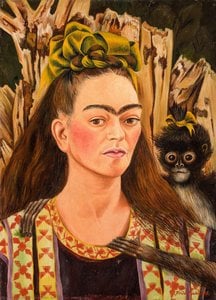
OilWallArtSurrealist/Naive Art
 1940High Medieval
 99.0 x 74.0 cm
Kup wysokiej rozdzielczości, ulepszony obraz cyfrowy o znacznie wyższej jakości niż podgląd online.
Każdy plik jest starannie przygotowywany przez naszych specjalistów przy użyciu zaawansowanych narzędzi oraz profesjonalnej, ręcznej retuszy. Dbamy o to, aby każdy obraz cechował się wyjątkową ostrością, precyzyjnym odwzorowaniem kolorów i subtelnymi detalami.
Ostateczny plik dostarczany jest drogą mailową w ciągu 72 godzin, zoptymalizowany do natychmiastowego wykorzystania w profesjonalnych zastosowaniach redakcyjnych i poligraficznych. To ta sama jakość, której ufają czołowe studia projektowe, wydawnictwa oraz galerie sztuki.
Pobierz plik o wysokiej rozdzielczości do osobistego wyświetlania, druku oraz projektów kreatywnych. ( Zamów wydruk Zamów ręcznie malowaną reprodukcję)
Wybierając WahooArt.com, nie otrzymujesz jedynie obrazu – otrzymujesz profesjonalnie udoskonalone cyfrowe dzieło sztuki, stworzone z najwyższą precyzją i objęte gwarancją satysfakcji. Oto wszystko, co automatycznie dołączane jest do Twojego zamówienia:

Plik z obrazem cyfrowym w wysokiej rozdzielczości zostanie przesłany na Twój adres e-mail w ciągu 72 godzin od złożenia zamówienia – gotowy do natychmiastowego użycia.

Twoja grafika została profesjonalnie zoptymalizowana przy użyciu zaawansowanych narzędzi AI oraz ręcznej edycji, co zapewnia maksymalną szczegółowość, klarowność i wierność kolorów.

Przypadkowo usunąłeś lub zgubiłeś swój plik? Bez obaw – prześlemy go Tobie ponownie w dowolnym momencie, bez żadnych opłat.

Ciesz się swoją sztuką natychmiast, bez żadnych opłat celnych, należności ani kosztów dostawy – pliki cyfrowe są zawsze wolne od podatku.

Dzięki zastosowaniu profesjonalnych narzędzi i procesów zarządzania barwą zapewniamy, że Twoje cyfrowe zdjęcie odzwierciedla oryginalne kolory tak wiernie, jak to tylko możliwe.

Jeśli nie będziesz zadowolony ze swojego cyfrowego obrazu, poprawimy go lub zwrócimy 100% kosztów w ciągu 100 dni – bez zbędnych pytań.

Nie jesteś zadowolony? Otrzymaj pełny zwrot kosztów w ciągu 100 dni od otrzymania pliku cyfrowego – bez zbędnych pytań.

Kup 3 obrazy, oszczędź 10% - Kup 5, oszczędź 15% - Kup 10+, oszczędź 20%. Idealne do projektów kreatywnych, galerii i agencji.
Frida Kahlo's "The Dream (The Bed)," painted in 1940, isn’t merely a depiction of a bed; it’s a profoundly unsettling and intensely personal exploration of mortality, identity, and the very nature of dreams. This oil on canvas, measuring 99 x 74 cm, transcends simple representation, plunging the viewer into a surreal landscape populated by stark symbolism and echoing with Kahlo's own turbulent inner world. The painting immediately confronts us with an unsettling scene: two skeletal figures intertwined in a bed, their heads resting upon pillows – a visual paradox that instantly establishes the artwork’s preoccupation with death and its proximity to life.
Kahlo’s stylistic choices are crucial to understanding the work's power. Classified as Naive Art/Primitivism Surrealism, “The Dream (The Bed)” reflects her deliberate rejection of academic realism in favor of a raw, emotionally driven approach. The vibrant yet muted palette—dominated by earthy tones punctuated by flashes of green and yellow—creates an atmosphere of both decay and nascent life. Her signature use of meticulous detail, particularly evident in the rendering of the bedclothes and the intricate patterns on the skeletons’ garments, contrasts sharply with the dreamlike quality of the scene, further blurring the boundaries between reality and the subconscious.
The skeletal figures themselves are central to the painting's complex symbolism. Often interpreted as representations of mortality, they aren’t presented in a purely frightening manner. Instead, their intertwined embrace suggests a shared fate, a merging of life and death. The presence of the figure seated atop the bed adds another layer of intrigue. This enigmatic observer—often speculated to be a self-portrait—appears to be both witnessing and perhaps even participating in this nocturnal drama. The flowers adorning one skeleton’s attire symbolize rebirth and resilience, hinting at Kahlo's own determination to find beauty and meaning amidst suffering.
Beyond the immediate figures, numerous details contribute to the painting’s rich symbolic tapestry. The bed itself, suspended in a hazy, undefined space, represents not just rest but also intimacy, vulnerability, and perhaps even the womb—a potent symbol of creation and destruction simultaneously. The chair positioned near the left edge and the vase in the upper right corner serve as grounding elements within this dreamscape, providing a sense of context and anchoring the scene to a tangible reality, albeit one profoundly distorted.
“The Dream (The Bed)” is deeply rooted in Kahlo’s personal experiences. Following her devastating bus accident in 1925, she endured years of chronic pain and multiple surgeries, profoundly impacting her physical and emotional well-being. The painting can be viewed as a visual manifestation of this ongoing struggle with mortality—a confrontation with the fragility of life and the inevitability of death. Furthermore, the artwork draws heavily on Mexican folk art traditions and mythology, incorporating elements such as the vibrant colors and symbolic imagery characteristic of indigenous cultures.
Kahlo’s exploration of identity is also powerfully evident in this work. The juxtaposition of the skeletal figures—representing death—with the living figure seated upon the bed speaks to her own struggle with self-perception, particularly in light of her physical limitations and the societal expectations placed upon women at the time. “The Dream (The Bed)” remains a hauntingly beautiful and profoundly moving testament to Kahlo’s artistic vision and her unflinching exploration of the human condition.

1907 - 1954 , Meksyk

 Podgląd w skali
 Wyślij jako kartkę
 Udostępnij
 Szczegóły dzieła

 Pobierz
 Podobne obiekty
 RTG
RTG Pokaz slajdów
 Rozwiń treść