Biografia artysty
A Chronicler of the Vanishing West: The Life and Art of Frederic Remington
Frederic Sackrider Remington, urodzony w Cantonie, Nowy Jork, 4 października 1861 roku, nie był produktem Zachodu, który tak żywo przedstawiał; raczej był Wschodziarzem, który wykształcił swoją artystyczną tożsamość dzięki fascynacji i poświęconemu studiowaniu. Jego pochodzenie wskazywało na życie z dala od kurzu szlaków i kawalerii – dziedzictwo francuskiego Basków połączone ze stanowczymi korzeniami republikańskimi Nowego Anglii, ojciec był pułkownikiem i redaktorem gazety wojennej, a powiązania z rodową firmą Remington Arms poprzez odległych krewnych. Mimo to, wczesne narażenie na tematy wojskowe, połączone ze sprytem, dążeniem do opowiadania historii, doprowadziło go do drogi stającą się prawdopodobnie najbardziej rozpoznawalnym artystą Zachodu. Jego dzieciństwo przeniosło się do Bloomington, Illinois, następnie z powrotem do Cantonu i wreszcie Ogdensburga, Nowy Jork, ale jego wyobraźnia pozostała urzeczona opowieściami o życiu na pograniczu. Chociaż początkowo kierowany edukacją wojskową w Vermont Episcopal Institute, prawdziwym powołaniem Remingtona nie było poddawanie się rozkazom, lecz obserwowanie i interpretowanie otaczającego go świata poprzez sztukę. Krótki pobyt w Yale University potwierdził to; futbol i szkicowanie miały znacznie większe znaczenie niż formalne studia akademickie.
Od Ilustratora do Malarza: Tworzenie Wizji Artystycznej
Podróż artystyczna Remingtona nie zaczęła się od monumentalnych płócien, lecz od tuszu i papieru. Jego pierwsza opublikowana praca, rysunek dla *Yale Courant*, sygnalizowała wczesny predyspozycję do uchwytywania akcji i narracji. Kluczowa podróż do Montany w 1881 roku zapaliła jego wieczną obsesję na punkcie Zachodu. Nie była to jedynie obserwacja turysty – Remington dążył do zanurzenia się w kulturze, obserwując kowbojów, Indian i sam krajobraz. Początkowo próbował prowadzić ranch i zajmować się wydobyciem złota, ale te przedsięwzięcia okazały się nieudane, uwalniając go do całkowitego poświęcenia się sztuce. Wracając na Wschód, szybko zyskał uznanie jako ilustrator w magazynach takich jak *Harper’s Weekly* i *Collier’s*, jego dynamiczne przedstawienia scen zachodnich fascynowały amerykańską publiczność, która tęskniła za opowieściami o życiu na pograniczu. Ilustracje te nie były jedynie raportem – były nasycone dramatem, energią i romantyzowaną wizją Zachodu, która głęboko rezonowała z wyobraźnią społeczeństwa. To właśnie dzięki tej pracy Remington doskonalił swoje umiejętności w kompozycji, uchwytywaniu ruchu i przekazywaniu emocji – cech, które później definiowały jego obrazy. Otrzymał minimalne formalne szkolenie poza kilkoma lekcjami rysunku w Yale i krótkim okresem pobytu w Art Students League, rozwijając zamiast tego unikalny styl charakteryzujący się energiczną fakturą pędzla, jaskrawymi kolorami i skupieniem na realizmie połączonym z dramatycznym wdziękiem.
Uwiecznianie Znikającego Świata: Tematyka i Styl
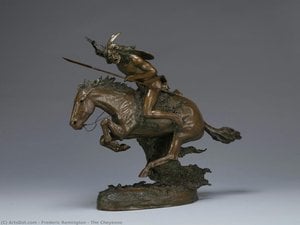
Sztuka Remingtona jest nierozerwalnie związana z konkretnym momentem w historii Ameryki – końcem ery Zachodu. Jego obrazy zamieszkują ikoniczne postacie: twardych kowbojów prowadzących bydło, stoickich Indian konfrontujących się z utratą ziemi i amerykańskich żołnierzy kawalerii zaangażowanych zarówno w bohaterskie bitwy, jak i tragiczne konflikty. Nie uciekał od przedstawiania surowych realiów życia na pograniczu, ale jego dzieła często opierają się na romantyzowanym portrecie, podkreślając męstwo, przygodę i konflikt kultur. Jego obrazy nie są jedynie dokumentami historycznymi; to sugestywne narracje, które badają tematy bohaterstwa, straty i nieunikniony postęp. Styl Remingtona ewoluował z czasem, od bardziej formalnych, akademickich przedstawień do luźniejszych, bardziej ekspresyjnych faktur pędzla. Był mistrzem uchwytywania ruchu – koni galopujących przez równiny, kowbojów walczących z bykami i żołnierzy wjeżdżających do bitwy. Często wykorzystywał szybkie szkice i zdjęcia jako materiały referencyjne, ale jego sztuka zawsze przekraczała zwykłe naśladowanie, będąc nasycona własną unikalną wizją i intensywnością emocjonalną. Znane obrazy takie jak *My Ranch*, *Waiting in the Moonlight*, *Ridden Down* (1905) i *The Long-Horn Cattle Sign* (1908) ilustrują jego zdolność do uchwycenia zarówno potęgi, jak i kruchości Amerykańskiego Zachodu.
Wpływ i Trwałe Dziedzictwo
Frederic Remington zmarł nagle w 1909 roku w wieku 48 lat, pozostawiając za sobą rozległą kolekcję dzieł sztuki, która nadal fascynuje odbiorców dzisiaj. Jego wpływ na sztukę zachodnią jest niepodważalny; nie tylko przedstawiał Zachód, ale pomógł *zdefiniować* go dla pokoleń Amerykanów. Ustanowił język wizualny dla pogranicza – ikonografię kowbojów, Indian i żołnierzy kawalerii, która głęboko zakorzeniła się w wyobraźni ludzkiej. Jego dzieła zainspirowały wielu innych artystów, w tym N.C. Wyetha i Zane’a Greya. Muzeum Sztuki Zachodniej w Ogdensburgu, Nowy Jork, stanowi świadectwo jego trwałego dziedzictwa, zachowując obszerną kolekcję jego obrazów, rzeźb i materiałów archiwalnych. Jego dzieła są wystawiane w licznych muzeach w całym kraju, w tym Metropolitan Museum of Art i Amon Carter Museum of American Art. Przedstawienia Remingtona, choć czasem krytykowane za romantyzowany obraz Zachodu, oferują cenną wgląd w kluczowy okres w historii Ameryki. Uchwycił nie tylko to, *co było*, ale także to, *w co ludzie wierzyli* o Zachodzie – jego mitach, legendach i trwałym uroku. Pozostaje potężnym symbolem ducha amerykańskiego – chroniczem zanikającego świata, który przekształcił go w trwałe dziedzictwo artystyczne.



 Przełącz na wydania drukowane
 Wyślij jako kartkę
 Udostępnij
 Szczegóły dzieła
 Przewodnik

 Pobierz obraz
 Podobne obiekty
 Pokaz slajdów
 Q&A
Q&A Statystyki


 Rozwiń treść






































 Opcja ze szkłem jest dostępna wyłącznie w rozmiarach poniżej 110 cm